
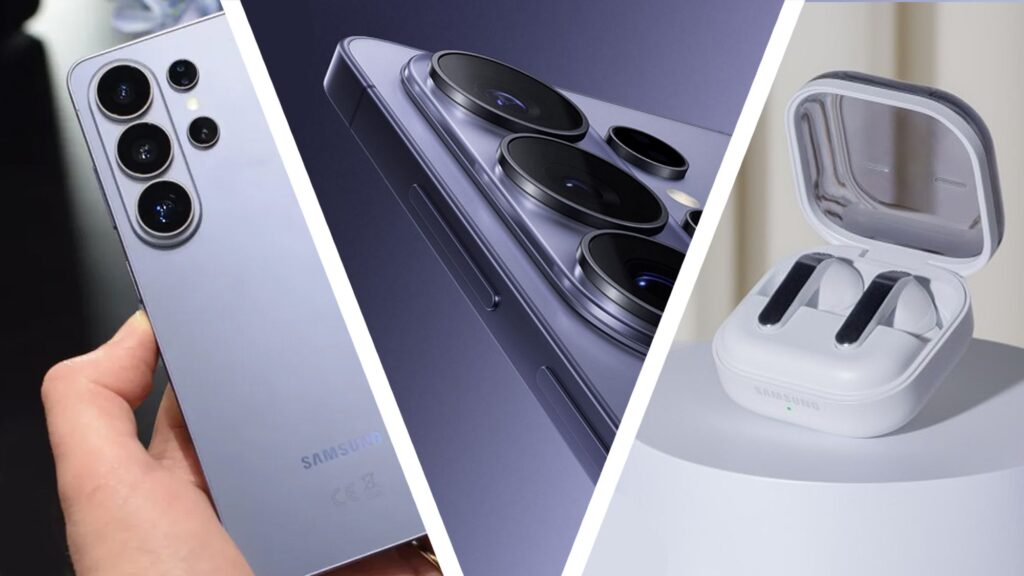
Just like that, Samsung’s first Galaxy Unpacked event of 2026 is over – and the first major smartphone launch of the year was a pretty significant one for the classic candy-bar Galaxy S series. In fact, it is undoubtedly now ‘advantage, Samsung’ in its great battle with Apple and Google.
As rumors and reports had predicted, Samsung unveiled the Galaxy S26 Ultra, Galaxy S26 Plus and Galaxy S26. The star, as many guessed, was the S26 Ultra, with a new and unique Privacy Display that can intelligently block sections of – or the entire – screen from viewing from other angles. I have a feeling this will make people with an iPhone, and really any phone, pretty jealous.
There’s a new Qualcomm Snapdragon chip specifically designed for Galaxy devices across the board that promises fast, snappy performance and plenty of runway for complex AI tasks. Galaxy AI was a big topic where Samsung took a broad approach, as it continues to work with Google on many features – for example, Circle to Search and new Gemini integrations – while also working more closely with Perplexity.
So to catch up on all the big news from Samsung’s Galaxy Unpacked on February 25, 2026, here are the best headlines from the event.
1. Samsung’s Privacy Display is very nice, but exclusive to the S26 Ultra
Sure, you can add a private screen protector from the likes of Zagg, Belkin or OtterBox to almost any popular smartphone, but Samsung has pretty much eliminated the need for the accessory on the Galaxy S26 Ultra.
Built into the AMOLED screen is a new way to block viewing from an angle down to the individual pixel, effectively acting as an on-demand private screen when you need it – whether for the entire screen or specific areas.
You can also set it to activate automatically for certain apps, such as banking or messaging. What I really like though is how useful it is when you’re tightly packed on a train or in an elevator – you can get your privacy back in a really simple way.
2. Bixby is getting a little smarter thanks to Perplexity AI

Now, Samsung has taken an unwalled-garden approach to Galaxy AI across its smartphones. There are some experiences built in-house, like Now Brief, but the company has also worked with giants like Google to integrate and launch features — sometimes even before Pixel devices got them — on the Galaxy first. Circle to Search is a good example and it has proven useful for Galaxy owners.
For the 2026 and Galaxy S26 series, however, Samsung is working with Perplexity and has actually built its Sonar API into the framework level of the software that powers these three smartphones. Bixby has been fine, but it should become far more useful than just changing device settings, as Perplexity will power the actual question-answering part.
Either way, this suggests that Samsung is continuing to work with partners to offer a full suite of AI features to its Galaxy smartphones, while giving you the ability to choose which ones to enable.
3. Galaxy S26 Ultra — iterative but awesome
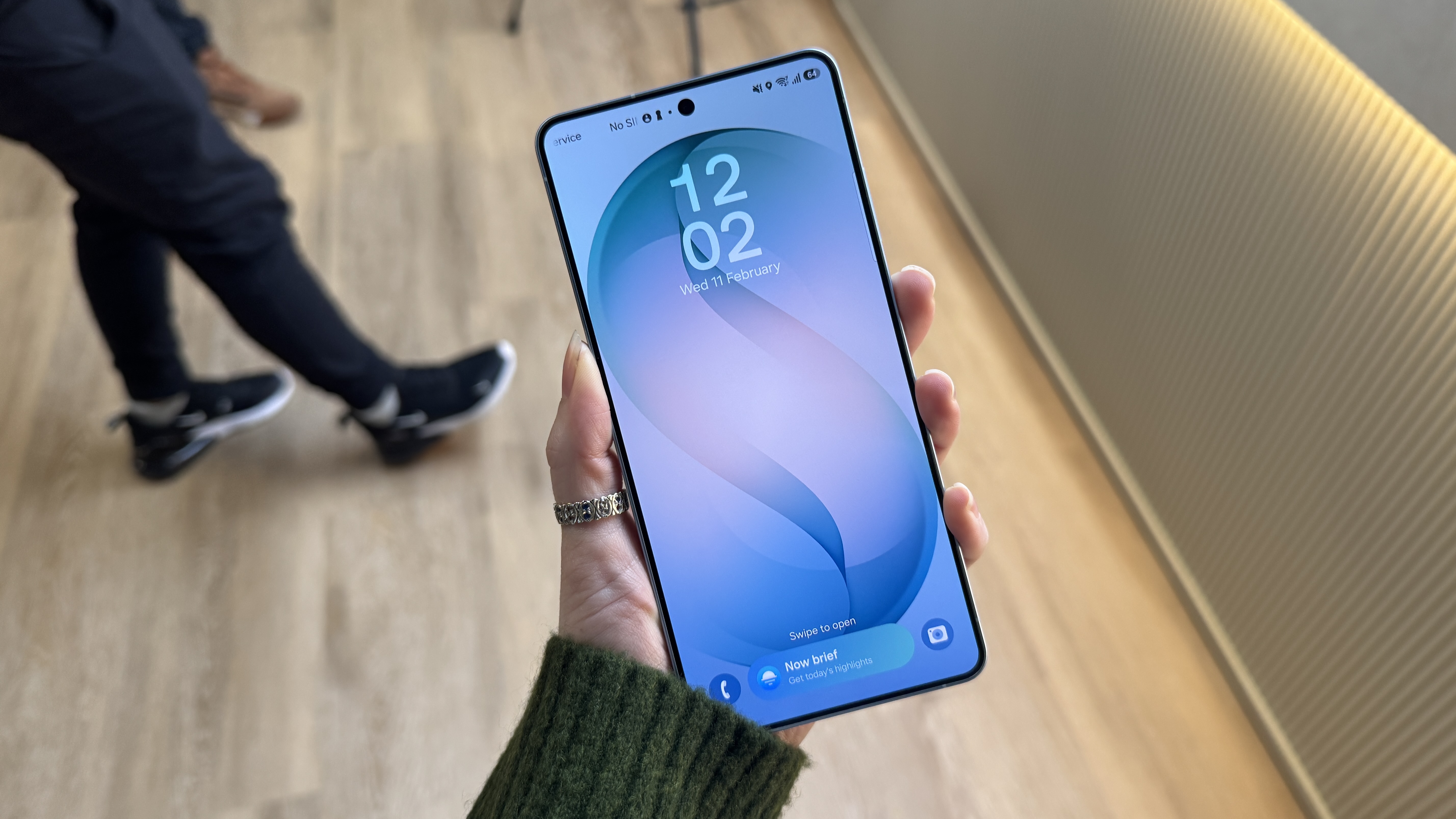
Roland Moore-Colyer went hands-on with the Samsung Galaxy S26 Ultra, and while he thought it was probably the most iterative phone Samsung has made in some time, it’s still built on a winning formula.
There are slightly brighter cameras, a more rounded design, better AI integration, a smarter Bixby, a new, powerful chip and the aforementioned Privacy Display. All of this adds up to a phone that’s a little boring, but also likely to be brilliant. We’ll have to put it to the test, but so far the S26 Ultra looks like a class-leading phone.
4. Galaxy S26 phones — a series of small upgrades
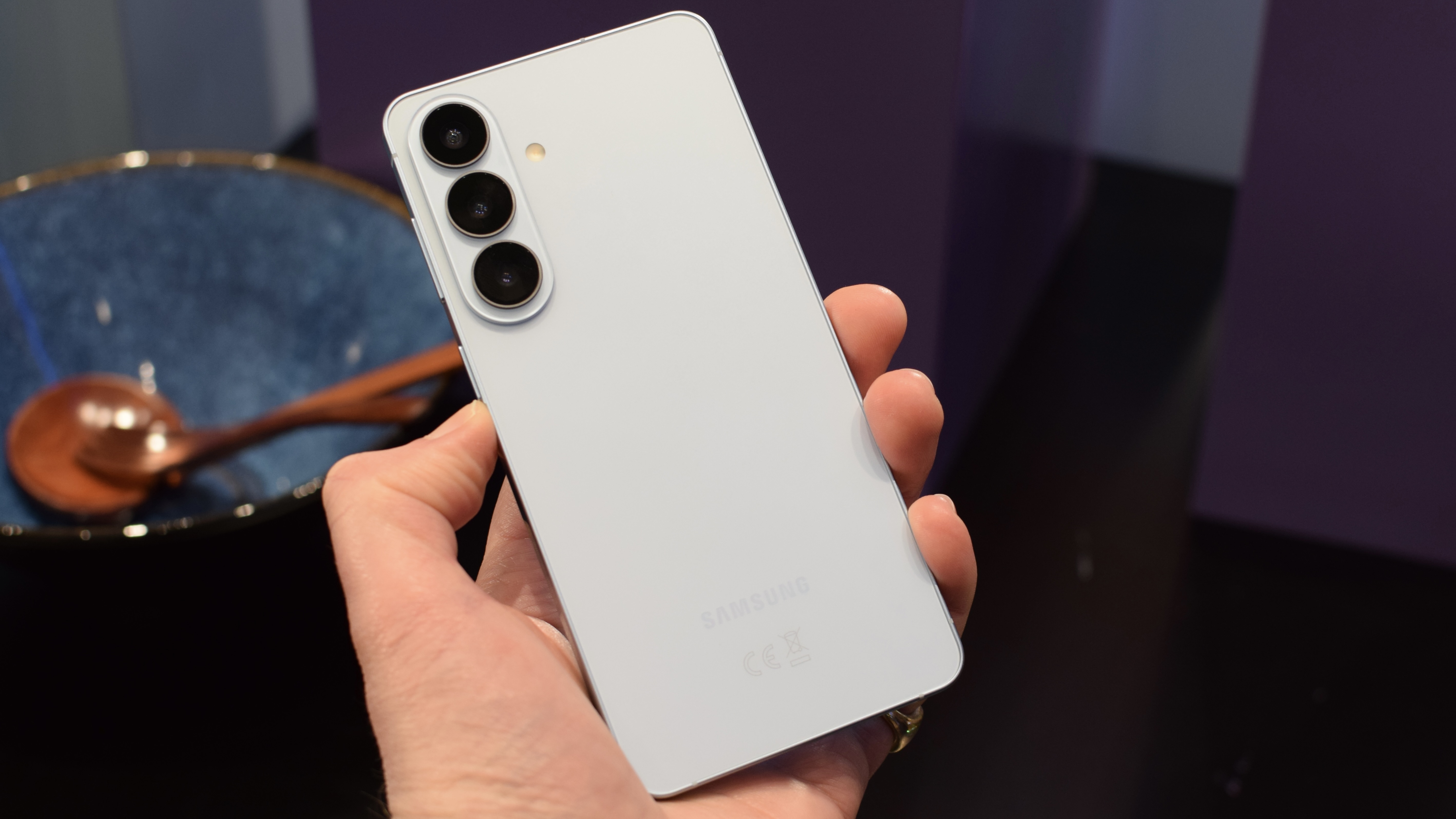
There is not much to write home about with the Samsung Galaxy S26 and Galaxy S26 Plus. You’ll struggle to notice much difference in the looks of the S26 from its predecessor, but there are some changes under the bonnet.
Specifically, both phones get new chips: an Exynos 2600 or Snapdragon 8 Elite 5 for the Galaxy chip if you’re in the US, China or Japan. This promises to deliver a performance boost that may not be noticeable in day-to-day use, but should speed up AI functions. Both the S26 and S26 Plus also get larger batteries – 4,300 mAh and 4,900 mAh respectively.
Storage now starts at 256GB, with a 512GB option for people who don’t like cloud storage. But this comes with a catch: the Galaxy S26 starts at $899 / £879 / AU$1,549 and the S26 Plus comes in at $1,099 / £1,099 / AU$1,849. Those are some tough prices for phones that aren’t all that different from their predecessors.
5. Samsung Galaxy Buds4 and Buds4 Pro — great sound and design upgrades, but one big problem remains
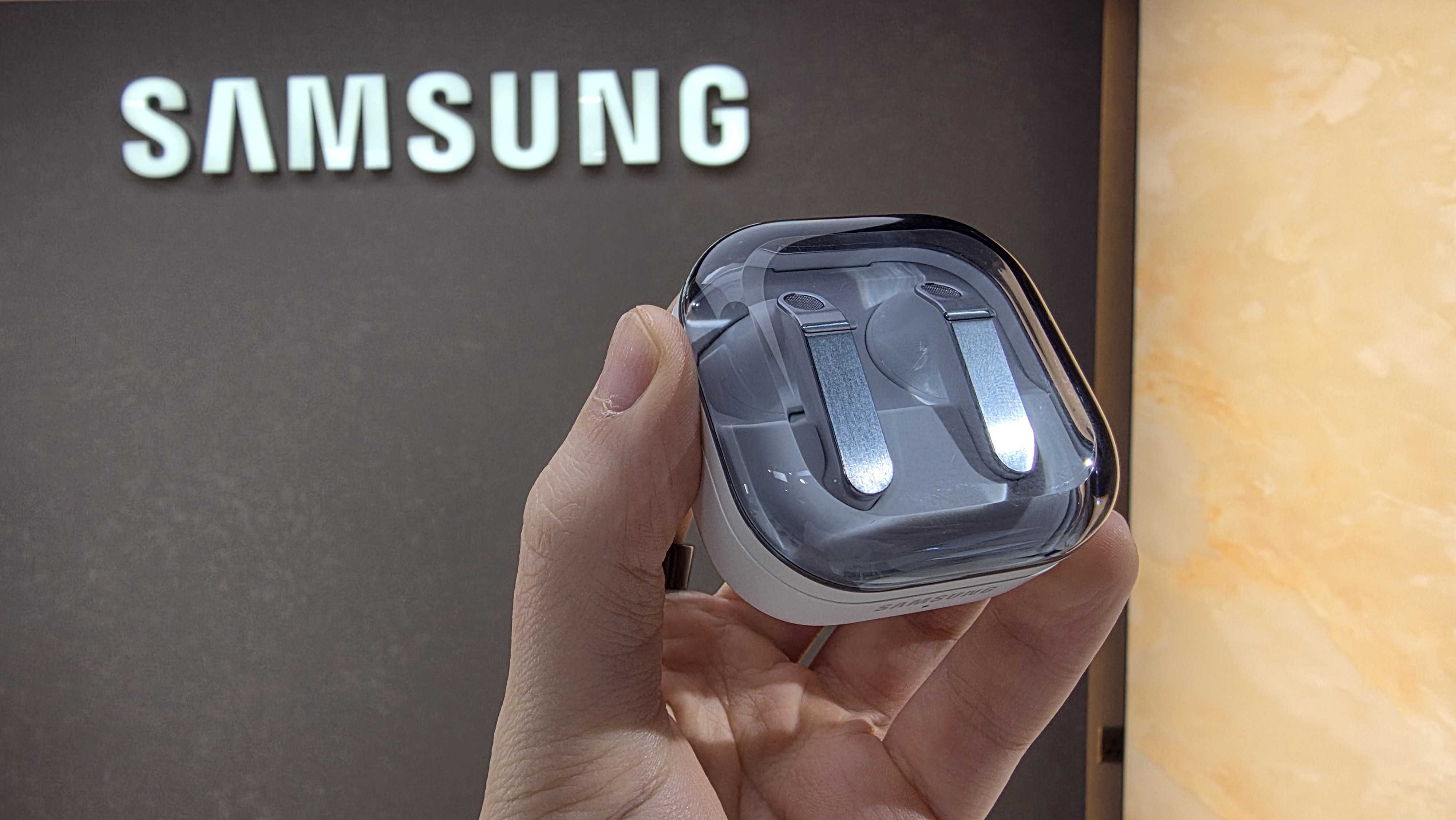
Samsung has updated both its entry-level and flagship earphones, namely the Galaxy Buds4 and Galaxy Buds4 Pro. So what’s new, aside from the price difference of $179 / £159 / AU$299 for the Buds4, versus $249 / £219 / AU$399 for the Buds4 Pro?
Well, we got an early hands-on with the Buds4 Pro, and right away the new clamshell cover is a winner, as is the updated ‘leaf’ stem on the buds. Tinkle lights? Away. Color-coded knobs so you can see at a glance which side of the case to put them back in? Away. Proprietary eartip locking system that prevents you from using third party tips and manufacturers extremely hard to remove? Unfortunately not gone…
Despite this cumbersome system that caused so many problems in the Buds 3 Pro, the earbuds were delayed (many people need to change the tips when they first fit their earbuds, and users quickly became afraid to do so, given how easily they could break said tips). So has it been fixed this time? Unfortunately not, and it’s hard to understand why Samsung has left this major problem unsolved.
6. Doubling of Armor Aluminum
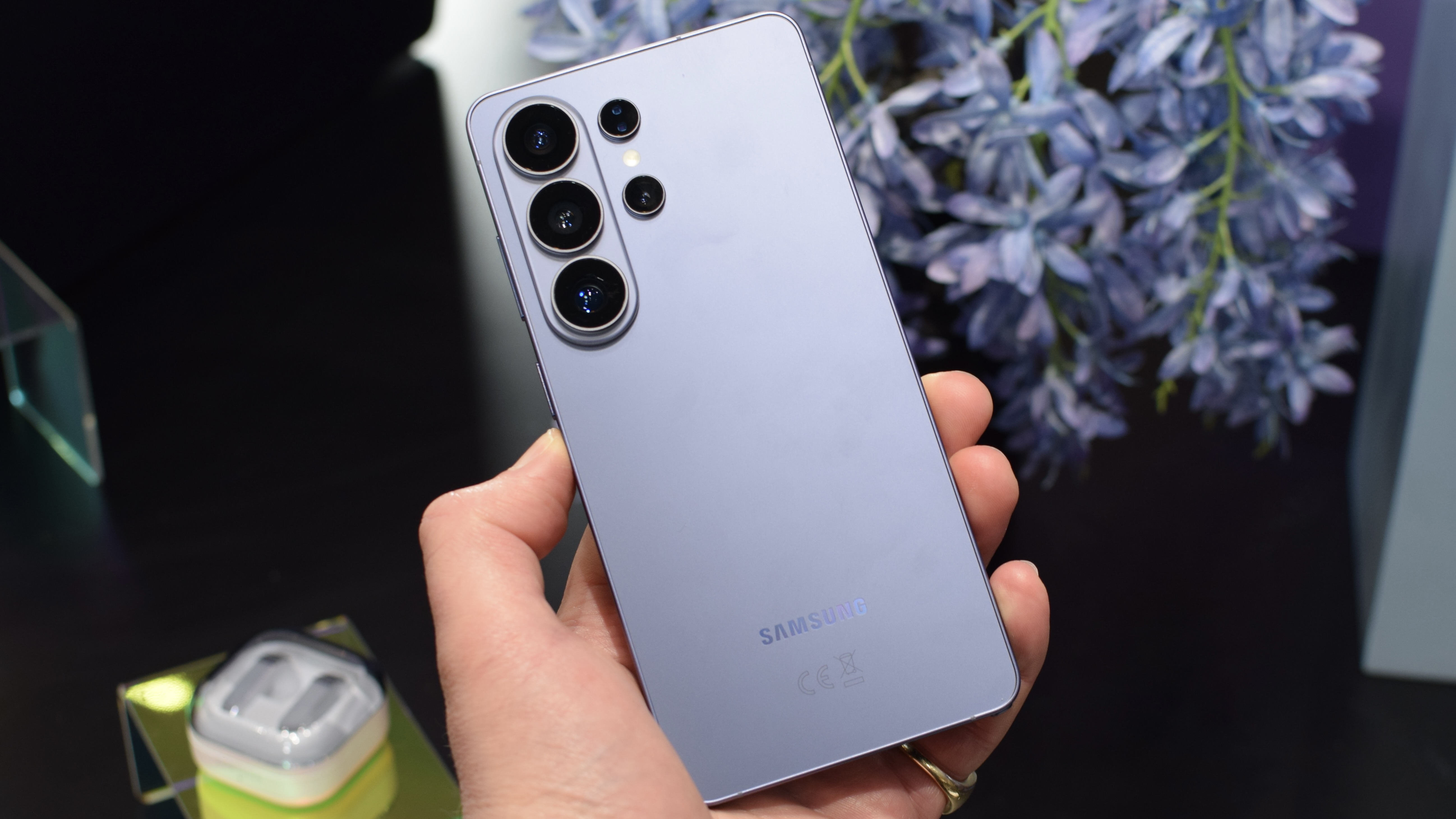
While a highlight of the Galaxy S25 Ultra was its titanium build—it was even in the color names—Samsung is pushing that material aside and doubling down on Armor Aluminum. This means that the S26 Ultra opts for aluminum instead of titanium, just like the S26 and S26 Plus. It’s a similar move Apple made with the iPhone 17 Pro and Pro Max, although the iPhone Air still uses titanium.
With the Galaxy S26 Ultra, Samsung notes that it uses a stronger, more rigid aluminum than the standard S26 or S26 Plus. The Ultra is also thinner and lighter year after year, while all three phones now boast a more unified look. We’re eager to see how Samsung’s switch back to aluminum feels in the hand as we test it, as well as how it holds up in the coming weeks, months and years.
7. RAM problems?
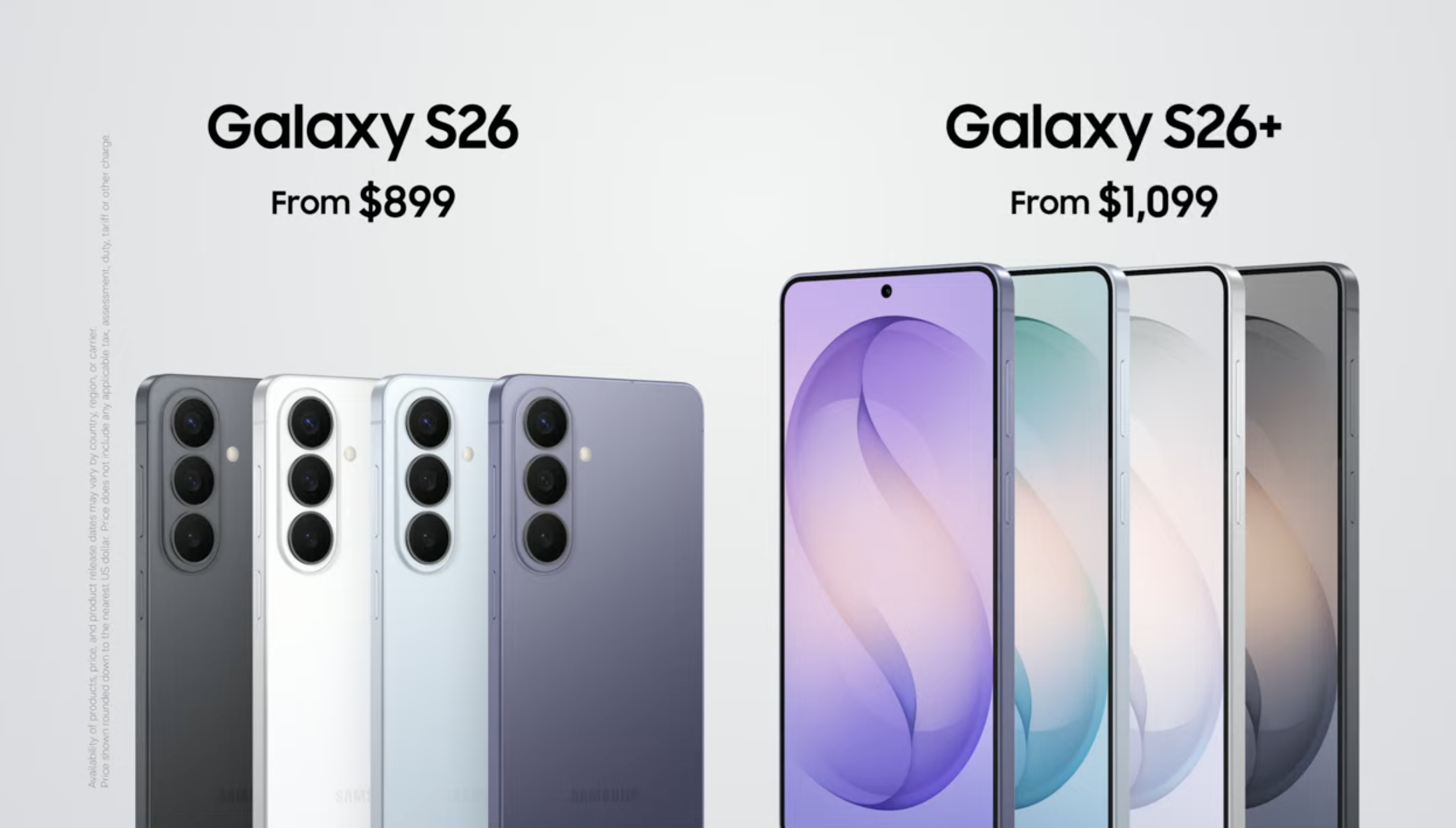
As previously mentioned, Samsung has raised the prices of the Galaxy S26 and Galaxy S26 Plus compared to their predecessors. Senior Staff Writer Hamish Hector did some digging, and while he couldn’t get Samsung to confirm that the RAM shortage fueled by AI’s hungry appetite for fast memory is the culprit, there’s a sneaking suspicion that the price hikes could have some connection to this ‘crisis’.
Either way, it could mean the end of $799 flagship Android phones. That would be a sad situation as some Android phones offered a good balance of technology and specs for that price range. Hopefully the RAM shortage will ease as 2026 pushes forward, but don’t hold your breath.
8. Gemini gets a new exclusive S26 feature
Similar to Google’s partnership with Samsung to bring Circle to Search to Galaxy devices before the Pixels, Android’s Sameer Samat took to the stage to show off a new Gemini feature that’s exclusive to the S26 series — at least for now.
Essentially, it’s our first taste of Gemini running in agent form for select tasks—like ordering a pizza or calling an Uber—as the AI can open its own virtual window and use its multimodal tools to handle actions in the background for you.
It’s pretty neat, and definitely something we’d like to try — both to see how it expands to other Android devices (probably in beta form at Google I/O) and how it compares to what Apple eventually ships as its AI-infused Siri, expected sometime in 2026.
9. Is Edge gone?
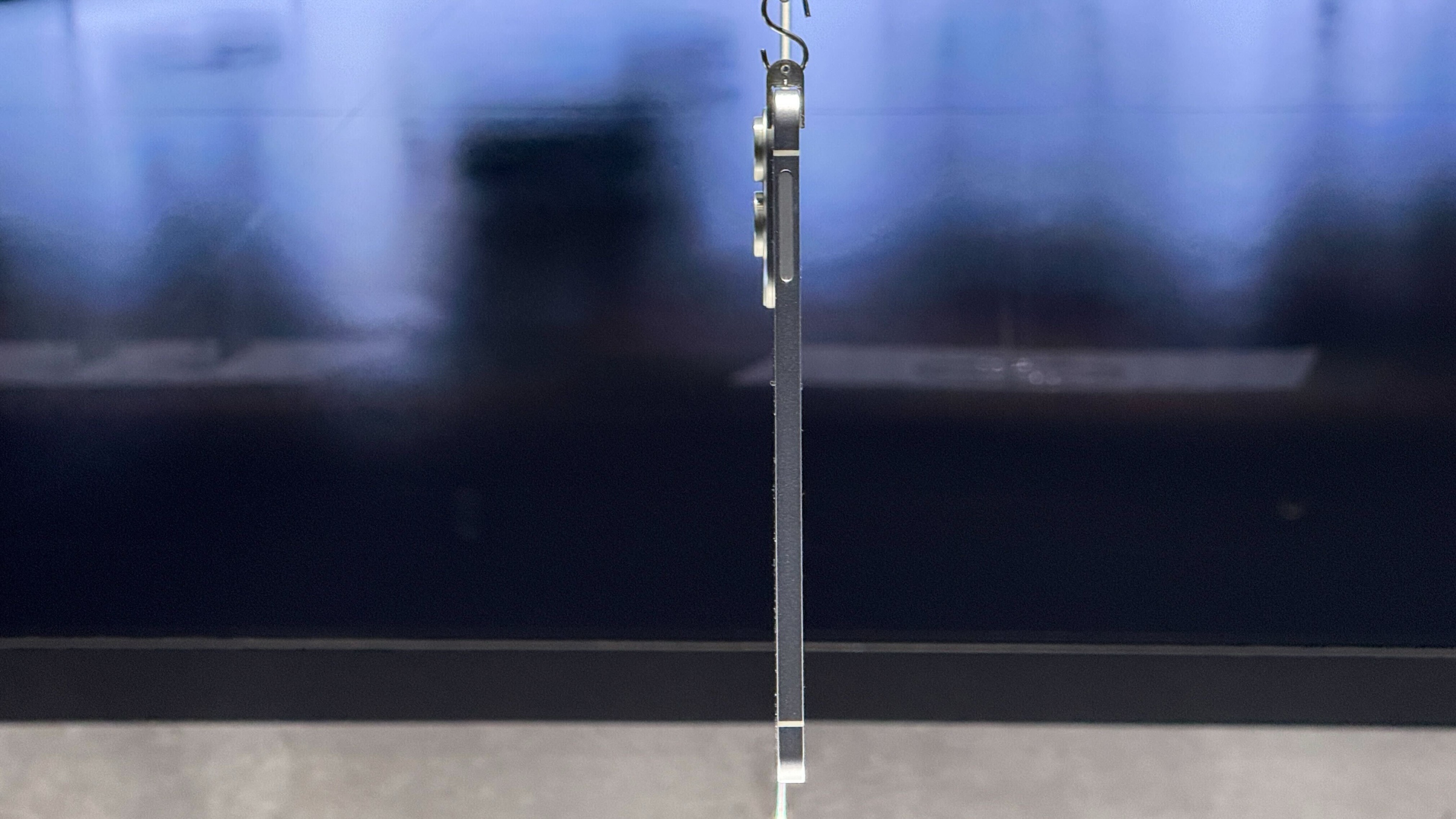
We learned that the Galaxy S25 Edge (and a potential S26 Edge) isn’t as central to Samsung’s future plans as previously thought. There was no mention of the product that joined the lineup less than a year ago, and while that may mean Samsung is waiting until May for a major update, a tease would certainly have been in order.
For now, the focus – at least from a design point of view – is likely to be on the more consistent look of the S26 series and the S26 Ultra, which are thinner and lighter year after year. This could indicate that Samsung is taking lessons from the Galaxy S25 Edge and reapplying them to its core flagship devices.
Remember, the S25 Edge came first, and the Galaxy Z Fold 7 followed with an ultra-thin design.
Look at
Follow TechRadar on Google News and add us as a preferred source to get our expert news, reviews and opinions in your feeds. Be sure to click the Follow button!
And of course you can too follow TechRadar on TikTok for news, reviews, video unboxings, and get regular updates from us on WhatsApp also.


