
The world of technology never sleeps, and it can be difficult to keep up with the latest developments. But if you’re feeling a little behind on the news, you’re in the right place. Our ICYMI (In Case You Missed It) recap covers all the biggest tech stories from the past seven days, so you can get started in just a few minutes.
And what a week it’s been: Big surprises from Apple and Google, a massive Cloudflare shutdown that took out half the internet, the latest challenger to take on ChatGPT, and more. So settle in with a nice digital summary that will inform you before you can say “AirDrop works with Android”…
7. Black Friday started early
The Black Friday discount extravaganza is slated to start on November 28, but what’s a fixed date on the calendar when you can start unleashing bargains early? That seems to be the attitude of the retailers, and if it means you can get some serious savings without having to wait, that’s fine with us too.
We’ve been tracking all the latest sales and picking out the hottest discounts on our live blog pages, so be sure to check them out below if you’re looking for a deal or two. From white goods and smart home kit to laptops, headphones, smartwatches and more, there are deals to be found across the board.
6. Apple and Google named the best apps in 2025
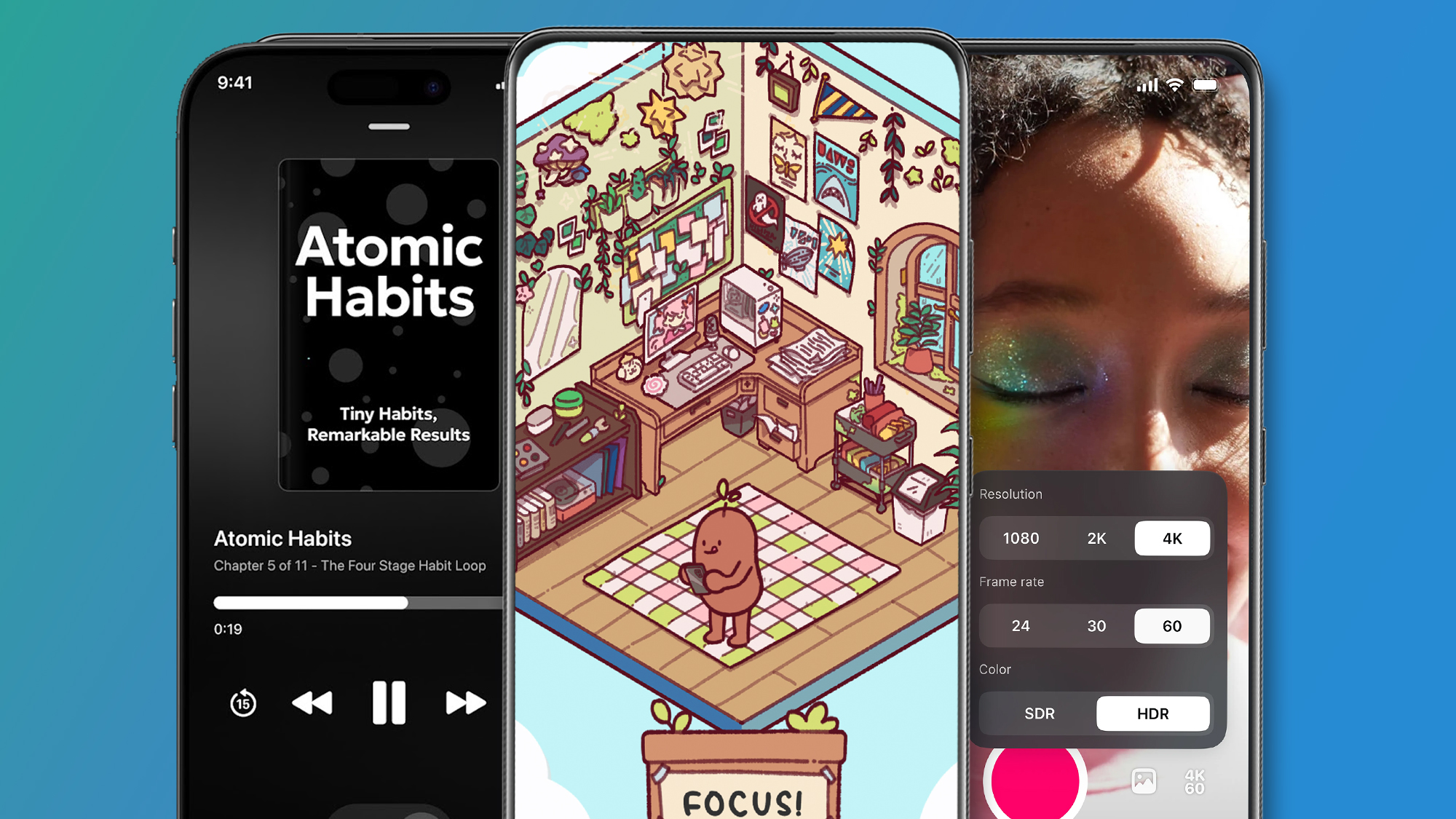
As the year draws to a close, Google and Apple – gatekeepers of the Android and iOS app stores – begin handing out awards for their favorite apps from the past twelve months. This year was no different, with both firms announcing their shortlisted winners within a day of each other.
Google went first and revealed Focus Friend by Hank Green as the best app of the year. Other honored names included Luminar, Edits, Wiser and Pingo, with many more receiving recognition for their efforts in the Android ecosystem.
It was Apple’s turn a day later, and the company went all out by nominating a whopping 45 apps and games across a wide variety of categories, each of which had three winners. BandLab, Ladder and Tiimo took the top spot as joint App of the Year winners, joined by apps made for iPad, Mac, Vision Pro, Apple Watch, Apple TV and more.
5. We tested the Nano Banana camera
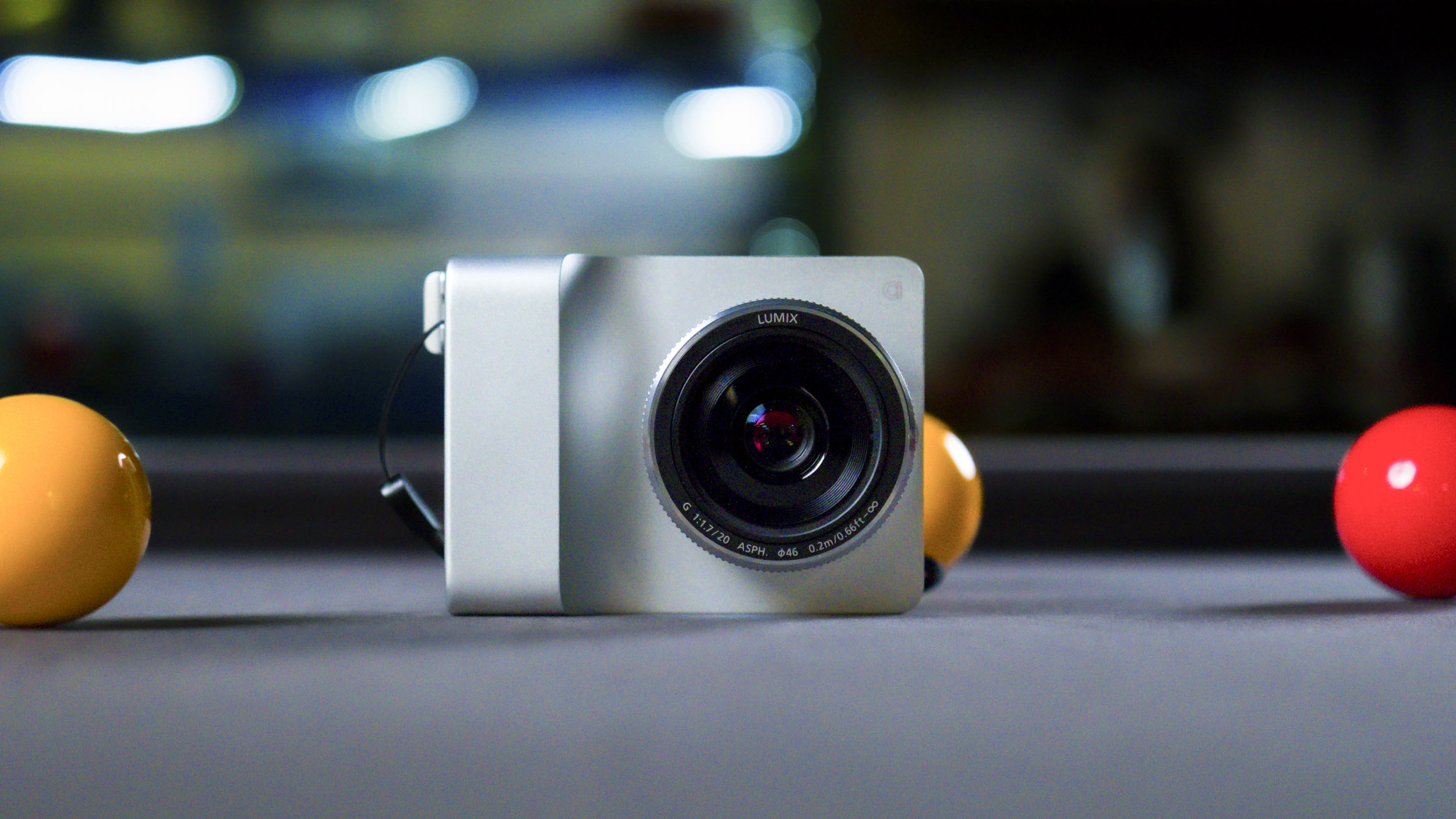
It is safe to say that in our current age, if there is a technological gadget, someone has put artificial intelligence (AI) into it. That’s as true for the Caira camera as it is for anything else, but in this case the end result is something you might actually want to use.
Actually, it’s more than that, as Caira is an excellent camera that is supported by in-camera AI editing, powered by Google’s Nano Banana model. The device snaps onto your iPhone magnetically, works with real DSLR lenses and packs a dedicated Sony sensor. The real intrigue comes after taking a photo, when you can enter a command into an AI prompt window and have the built-in intelligence edit your photos to suit your needs.
We took it for a spin and were impressed with its capabilities – it’s not a cheap toy that you tire of quickly. But does it enhance your creativity or just take over? It’s something we can’t quite decide.
4. Disney and YouTube TV patched up their differences
Back in October, a number of Disney-owned channels began disappearing from YouTube TV, the result of the two companies failing to agree on a new streaming deal. Now, however, that is in the past, and as two long-time friends making up for a nasty spat, it’s all water under the bridge.
We noted earlier this week that Disney channels had made a comeback on YouTube TV, all thanks to Disney and YouTube signing a multi-year deal to get things back to the way they should be. There was even a pleasant surprise thrown into the mix in the form of ESPN Unlimited.
In short, YouTube TV subscribers now have access to ESPN Unlimited, including premium content such as live WWE events. It wasn’t available to YouTube TV members until Disney and YouTube’s temporary separation, showing that good things can come from bad breakups.
3. Google somehow got Android to work with AirDrop
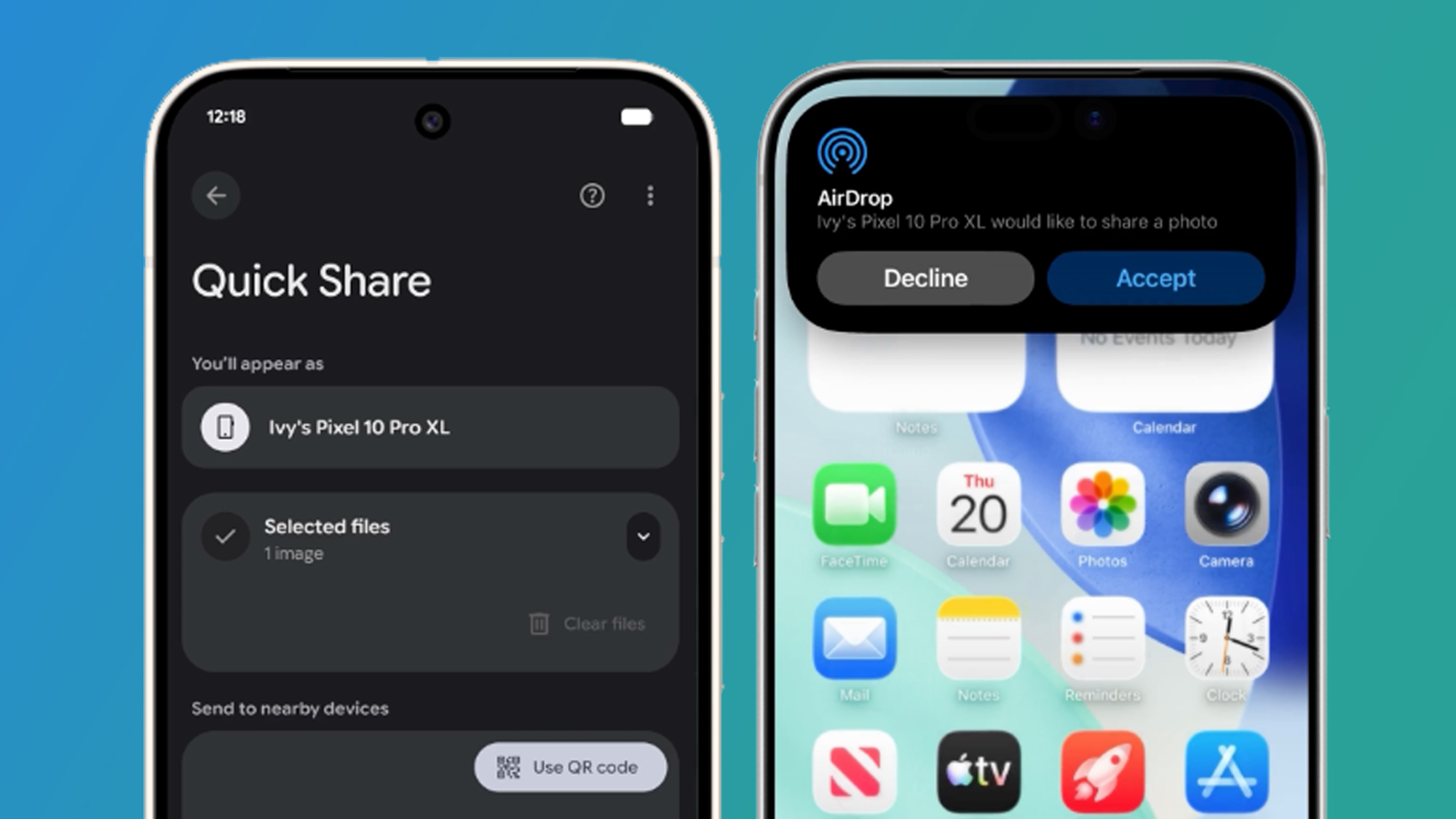
If there’s one thing we know about Apple, it’s that the tech giant doesn’t like to share. It prefers to keep its proprietary technologies to itself, so it came as a massive surprise to learn this week that Google had found a way to make its Quick Share feature work with Apple’s AirDrop.
This means you can now send a file from your Android device and an Apple fan will be able to accept it using AirDrop on their iPhone. And all of this was apparently done without Apple’s direct involvement – and possibly even without Apple’s knowledge.
We can’t imagine Apple is too happy to be blindsided like this, but there might be little it can actually do. First, it may be difficult to stop Google’s new trick from a technical point of view. For another, forcing Google to back down is likely to garner attention — and anger — from the EU, which has been relentless in its desire to force Apple to give up the crown jewels of its ecosystem and make them available to its bitterest rivals.
There’s no way to know how this situation will play out, so we suggest you sit back, buckle up and grab the popcorn.
2. Cloudflare gave us our latest global outage
Even the most terminal of us online probably don’t give much thought to what keeps the internet afloat, but the reality was brought home this week when Cloudflare suffered a major crash, taking down dozens of websites and crippling our ability to rot our brains and post cat memes when we should be working.
If you’re not aware, Cloudflare offers a variety of services to a wide variety of websites, from image delivery to DDoS attack prevention and more. When Cloudflare crashed, users found they were unable to connect to their favorite sites, including ChatGPT, X, Canva and more.
After initially suspecting a cyberattack, Cloudflare revealed the true cause: a bug in its backend system caused a key file to double in size, which was then automatically spread across Cloudflare’s network. Because the file was now larger than the software’s size limit, Cloudflare crashed—as did a large number of websites that depended on its services. As with the AWS outage in October, it was a fitting demonstration of just how centralized the internet has become — and how risky it is.
1. Gemini 3 landed to receive ChatGPT 5.1
ChatGPT has been the number one AI chatbot pretty much since its launch, and while there have been many challengers, few have been able to make a serious claim to its crown. However, Google is hoping that’s all about to change with the release of Gemini 3.
We decided to see if Gemini 3 could put its money where its mouth is by stacking it up against ChatGPT in a series of tests and challenges as part of TechRadar’s special AI week. The result? A dead heat, with ChatGPT pulling ahead on some occasions, Gemini on others.
What was remarkable was how much both models had in common, and any differences felt more like accents than radically different philosophies. If anything, it shows how far AI chatbots have come that ChatGPT’s reign is facing such a powerful threat.
Follow TechRadar on Google News and add us as a preferred source to get our expert news, reviews and opinions in your feeds. Be sure to click the Follow button!
And of course you can too follow TechRadar on TikTok for news, reviews, video unboxings, and get regular updates from us on WhatsApp also.


