
Traders, wholesalers are against the idea, warning that it will trigger further rise in inflation
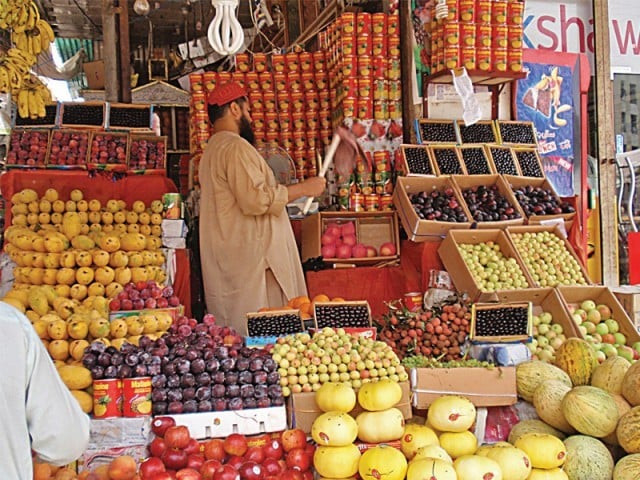
The administration will establish sasta bazaars and 35 fair price shops in rural and urban areas PHOTO: EXPRESS
The Punjab government has decided to abolish all vegetable and fruit markets, along with wholesale commission markets, in a bid to exercise complete control over the prices of food, essential commodities, vegetables, fruits and groceries.
In their place, new Chief Ministers Farmers’ Markets will be established. These will be staffed by Government Inspectors working under the direct supervision of the Assistant Commissioner.
In these markets, every vehicle, trailer and container carrying vegetables, fruit, pulses, sugar and groceries will be formally registered upon entry. The authorities plan to bring the new markets into operation in the second half of December.
As per this decision, four fruit and vegetable markets and six wholesale markets in Rawalpindi division – and across Punjab, a total of 42 fruit and vegetable markets and 70 wholesale commission markets – will be discontinued.
The new Chief Minister’s Farmers’ Markets will remain under the exclusive control of the Government, with offices of the District Administration, the Price Control Magistrate and the District Price Committee located at the site. All inflow of goods, including delivery and auctioning, will be completely under public supervision, effectively ending all private control.
Nevertheless, Vegetable Traders Association Chairman Ghulam Qadir Mir, Fruit Market Secretary Sajid Khan and Wholesale Market Vice Chairman Shafiq Khan have rejected the proposal. They urged the government to desist from such experiments and instead focus on sound governance, warning that such measures would trigger a rise in inflation.
They argued that if the government really wants to introduce reforms, it should establish parallel markets and allow them to compete with existing wholesale and fruit and vegetable markets, as improvement naturally follows competition.
They further noted that the government has failed to run the supply shops or the Sasti Roti scheme effectively; how then would it manage the wholesale markets? According to them, the bureaucracy is trying to create direct conflict between the government and the traders through such initiatives – a situation they vowed to resist.


