
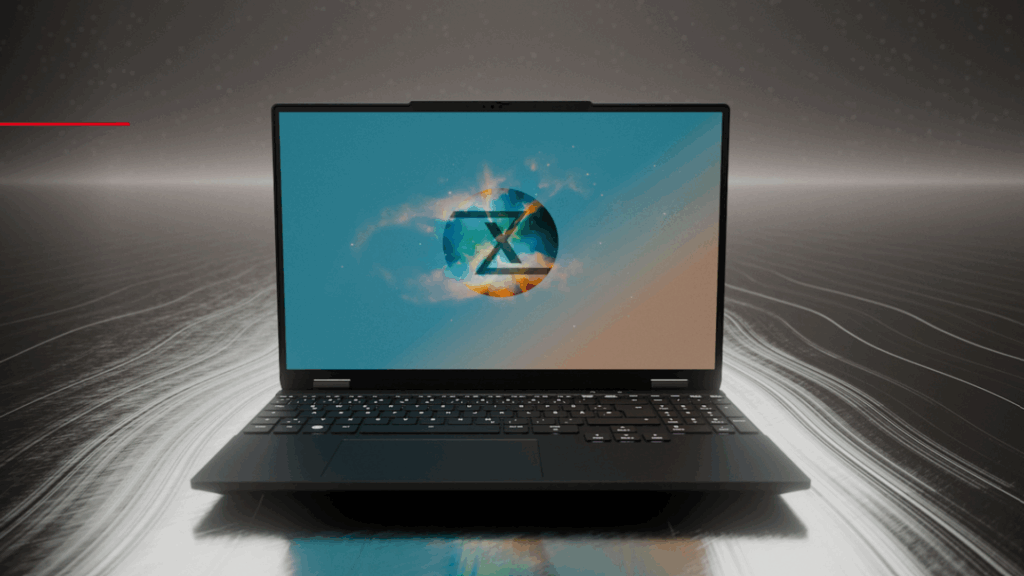
- Tuxedo cancels Snapdragon X Elite Linux notebook after 18 months of development struggle
- The first generation X1E chip did not meet the compatibility expectations of Linux distros
- BIOS updates, fan management and KVM virtualization remain unsupported under Linux
Tuxedo Computers has canceled its plan to release a Linux notebook powered by Qualcomm’s Snapdragon X Elite after eighteen months of development.
The company stated that the first generation X1E chip proved to be less suitable for Linux distros than expected.
Although video decoding is technically possible, many applications lack the necessary support, and features such as BIOS updates and fan control cannot currently be implemented under Linux.
Limitations in virtualization and data throughput
The problems apparently appeared despite significant engineering efforts, including attempts to optimize power management, firmware processes and device-specific drivers.
The expected long battery life, one of the primary benefits of ARM devices, failed in testing, creating additional challenges for implementation.
Tuxedo also noted that virtualization with KVM is not possible on the X1E, limiting the notebook’s usefulness for workloads that require virtual machines.
High-speed USB4 transfer rates could not be achieved, reducing the performance of peripherals and storage devices.
These technical shortcomings mean that the device cannot deliver the expected user experience for desktop Linux users.
“Development proved challenging due to the different architecture, and ultimately the first generation X1E proved to be less suitable for Linux than expected,” said Tuxedo.
While it could theoretically continue development, the pace of hardware development means that such efforts run the risk of delivering a product that is obsolete upon release.
The company pointed out that the Snapdragon X2 Elite is expected in the first half of 2026, and more time spent means an older chip and lower relevance of the laptop, noting “we would offer you a device with what would then be a more than two-year-old Snapdragon X Elite (X1E).”
If the X2 Elite addresses the limitations seen in the first generation chip, Tuxedo may consider restarting development on an updated notebook.
Tuxedo said it will monitor the X2 Elite architecture to determine if development can resume once the new platform offers stronger Linux support.
But no firm commitments have been made, and the company stressed that any plans would depend on an evaluation of the new chip’s capabilities.
Tuxedo has historically focused on building Linux-compatible devices, including desktop PCs and mobile workstations.
The company also produces mini-PC systems that run Linux distros and demonstrates expertise in ARM-independent hardware designs.
While the Snapdragon X Elite didn’t live up to expectations, Tuxedo’s broader catalog of Linux-ready systems is still available.
Tuxedo has not ruled out future collaborations, but its experience suggests that expectations of rapid progress may be premature until newer SoCs demonstrate stronger compatibility.
Via Windows Central
Follow TechRadar on Google News and add us as a preferred source to get our expert news, reviews and opinions in your feeds. Be sure to click the Follow button!
And of course you can too follow TechRadar on TikTok for news, reviews, video unboxings, and get regular updates from us on WhatsApp also.


