
LAHORE:
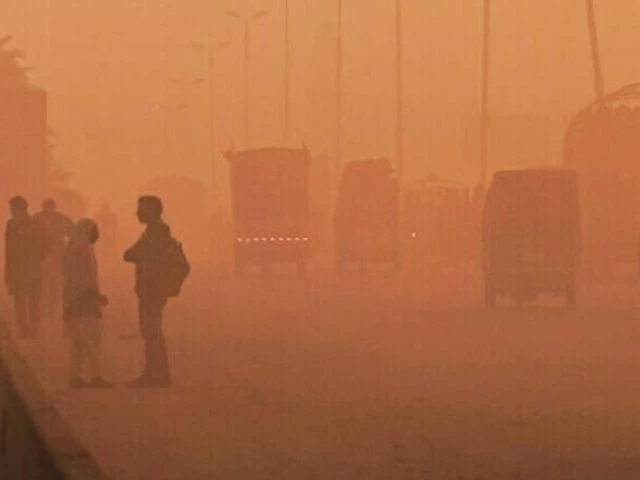
Despite a growing stack of clean air policies, Lahore’s smog crisis continues to deepen as weak implementation, poor coordination between departments and ineffective public communication stall meaningful action, experts warned while addressing a seminar.
They warned that transportation remains the city’s biggest polluter, stubble burning continues despite subsidies, and citizens lack the incentives and infrastructure needed to adopt low-emission habits.
They emphasized that without long-term planning and a shift from reactive measures to sustained enforcement and behavioral change, Punjab’s air quality preparedness will only worsen.
Pakistan Institute of Development Economics (PIDE) hosted the seminar on Smog Reduction, Resilience and Feasibility of Carbon Credit in collaboration with the Rasta Competitive Research Grants program.
The event brought together researchers and policy makers to examine Lahore’s worsening smog crisis, sectoral emissions and new behavioral pathways towards sustainable mobility.
In his presentation, Dr. emphasized Aqsa Shabbir that Punjab must move away from reactive measures – such as ad hoc closures – towards long-term, preventive strategies.
She said Lahore’s air quality had begun to deteriorate rapidly after industrial expansion in the 1990s, with smog becoming a recurring emergency in 2016.
Since then, 12 policy documents have been produced, including the Punjab Clean Air Policy (2023), Climate-Resilient Punjab Action Plan (2024) and Smog Control Strategy (2024-25), but weak implementation, inadequate monitoring and limited institutional capacity remain the major obstacles, she said.
Dr. Shabbir said the transport sector contributes up to 83 percent of Lahore’s emissions, followed by industry and agriculture. While initiatives such as vehicle inspection centres, fuel quality monitoring and EV-friendly policies look promising on paper, coordination gaps – particularly between the transport and energy departments – are limiting progress.


