
- Ford pauses production of electric pickups as consumer demand falls short of expectations
- Range-extended trucks are replacing pure electric models in Ford’s revised automotive strategy
- Battery factories are shifting focus from vehicles to large energy storage systems
Ford has halted production of its F-150 Lightning vehicle in favor of reassigning workers to assemble gasoline and hybrid trucks.
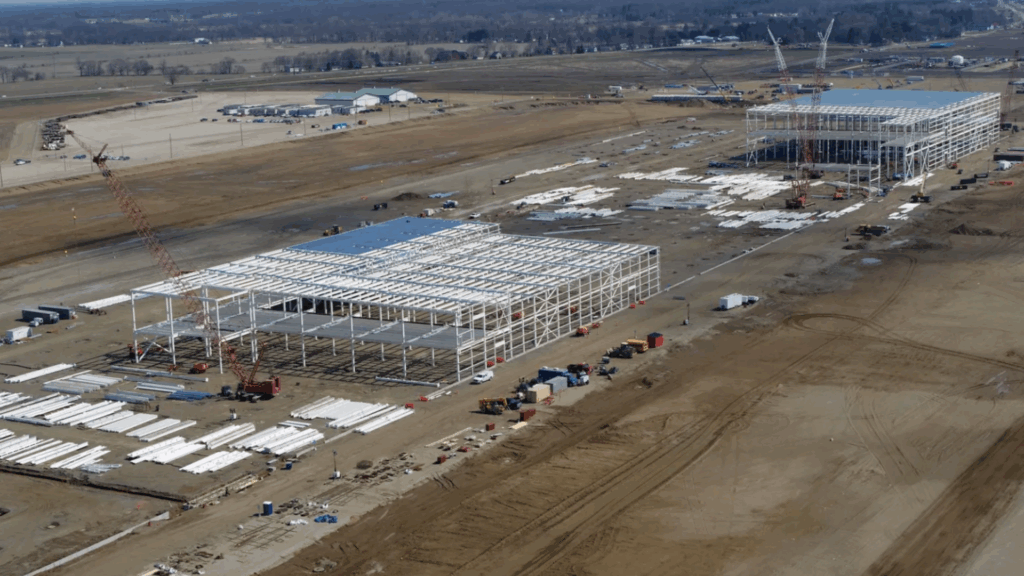
This shift in vehicle strategy is mirrored by changes in battery production plans, as Ford has confirmed it will convert its Kentucky battery plant to produce prismatic lithium iron phosphate cells after ending its SK On joint venture.
These cells are not intended for passenger cars, but are designed for stationary, large energy storage systems instead.
Battery plant redirected towards stationary storage
Ford says the chemistry is suitable for data center use, where lower cost, longevity and safety outweigh priorities around high energy density.
The Kentucky facility is expected to begin production within 18 months and ultimately reach an annual capacity of 20 GWh.
Instead of giving up excess battery capacity, Ford forms an independent battery storage company.
The company plans to invest about $2 billion over the next two years to manufacture LFP cells, modular storage units and container systems.
Shipments are expected to begin in 2027, with Ford framing the move as a response to growing demand from commercial grid operators.
Ford will enter a market that already includes players such as Tesla and General Motors, both of which offer residential and commercial energy storage products.
Ford’s BlueOval Battery Park Michigan remains on schedule to begin LFP battery production in 2026 using technology licensed from CATL.
These batteries are still intended for a future medium-sized electric truck, although the factory’s planned production is already reduced from previous targets.
Ford has also added plans to produce smaller capacity cells for residential energy storage systems at the same site.
Ford’s recent decisions suggest caution about demand for large electric trucks in the near term, along with a belief that stationary storage can provide more stable returns.
The company is now prioritizing cheaper models, conventional hybrids and electric vehicles with extended range, which it believes better match the expectations of current buyers.
Via Ars Technica
Follow TechRadar on Google News and add us as a preferred source to get our expert news, reviews and opinions in your feeds. Be sure to click the Follow button!
And of course you can too follow TechRadar on TikTok for news, reviews, video unboxings, and get regular updates from us on WhatsApp also.


