
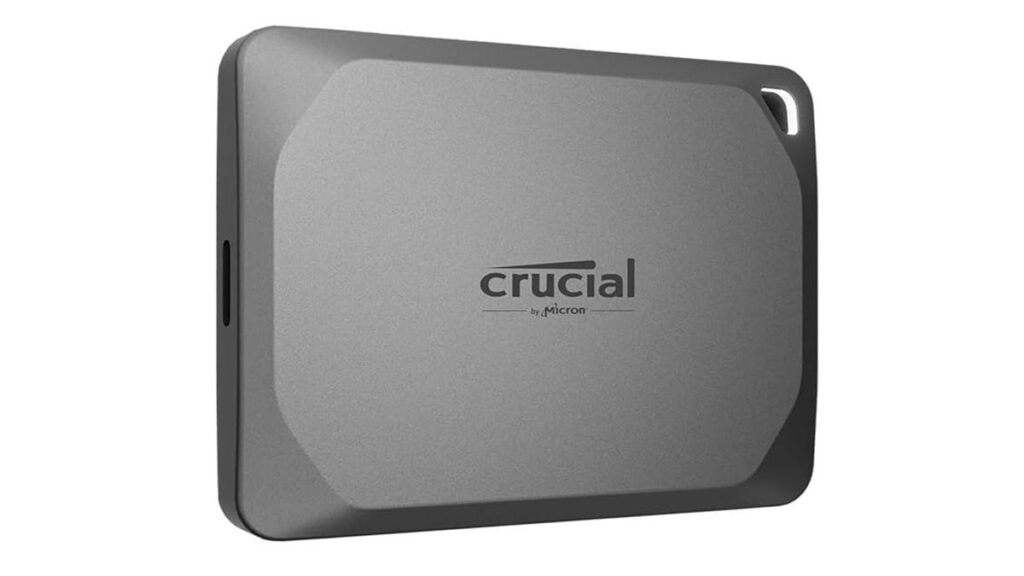
- External 4TB SSDs now undercut slower internal SATA storage for the price
- Shifts in memory production are reshaping NAND supply and storage pricing dynamics
- SATA SSDs face shrinking relevance as NVMe and external drives converge
Large-capacity external SSDs now sell for less than internal 4TB SATA drives, a situation driven by ongoing changes in NAND flash production and pricing.
The gap has narrowed to the point where slower internal SATA SSDs are becoming harder to justify, even as demand for high-capacity storage continues to grow.
Current supply pressures mean memory manufacturers such as Micron and Samsung are prioritizing DRAM over NAND. This allocation shift has reduced downward pressure on NAND prices and limited incentives to keep producing slower, low-margin, higher-capacity SATA SSDs.
SATA SSDs are facing extinction
This is most visible at the 4TB level – where a Crucial X9 Pro 4TB external SSD is currently priced at $279.58. It connects via USB 3.2, delivers up to 1050MB/s read and write speeds, and is targeted at creators who need fast, portable storage across multiple devices.
In comparison, a Silicon Power 4TB SATA internal SSD is priced at $299.99. Despite using a standard 2.5 inch form factor and SATA III interface, it costs more while offering far lower performance than modern external SSDs.
The situation becomes more striking when compared to PCIe storage. A Crucial P310 4TB NVMe SSD based on PCIe Gen4 currently sells for around $341. That places high-speed internal NVMe only modestly above external SSD prices, while SATA remains firmly in between.
Price tracking data from PCPartPicker shows that over the past 18 months, 4TB SATA SSDs have not benefited from the aggressive price drops that NVMe and external SSDs have.
As memory supplies tighten and prices rise (quite significantly in many cases), SATA drives are now rising in price along with faster storage, leaving them stuck without a meaningful cost advantage.
For system builders and upgraders, this creates an unusual situation. External SSDs are no longer just a convenience option, but a cost-effective way to add large amounts of fast storage without opening up a system or committing to aging interfaces.
At the same time, motherboard support for SATA continues to shrink, especially in smaller form factor systems and newer platforms. That reduces the long-term appeal of investing in high-capacity SATA drives.
Taken together, pricing, performance and platform trends suggest that 4TB SATA SSDs are nearing the end of their practical relevance.
External SSDs and NVMe drives increasingly offer better value and with fewer compromises.
Follow TechRadar on Google News and add us as a preferred source to get our expert news, reviews and opinions in your feeds. Be sure to click the Follow button!
And of course you can too follow TechRadar on TikTok for news, reviews, video unboxings, and get regular updates from us on WhatsApp also.


