- Sanctioned executives, including the Anduril founder, were banned from entering China.
- Targets include Northrop Grumman, L3Harris, Boeing’s defense division.
- China calls Taiwan “core interest”; The United States reaffirms its support for its defense.
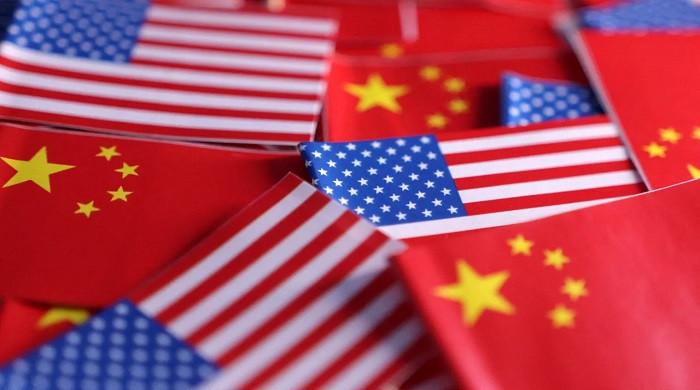
China’s Foreign Ministry on Friday announced sanctions targeting 10 individuals and 20 U.S. defense companies, including Boeing’s St. Louis, over arms sales to Taiwan.
A US State Department spokesman said the US strongly objected to the Chinese move, which freezes all assets held by companies and individuals in China and prevents domestic organizations and individuals from doing business with them.
People on the Chinese list, including the founder of defense firm Anduril Industries and nine senior executives from the sanctioned firms, are also banned from entering China, it added.
Other targeted companies include Northrop Grumman Systems Corporation and L3Harris Maritime Services and Boeing’s St. Louis, which focuses on defense work.
The Chinese action appears largely symbolic given China’s lack of contacts with US defense firms, whereas it has been a major buyer of civilian Boeing aircraft.
The move follows Washington’s announcement last week of $11.1 billion in arms sales to Taiwan, the largest US arms package ever to the island, which drew Beijing’s ire.
“The Taiwan issue is at the heart of China’s core interests and the first red line that cannot be crossed in China-US relations,” a Chinese Foreign Ministry spokesman said in a statement on Friday.
“Any provocative action that crosses the border on the Taiwan issue will be met with a strong response from China,” the statement said, calling on the US to cease “dangerous” efforts to arm the island.
China considers democratically-ruled Taiwan part of its own territory, a claim Taipei denies.
The United States is required by law to provide Taiwan with the means to defend itself, although such arms sales are a continuing source of friction with China.
The State Department spokesman said this policy had “remained consistent across nine different US administrations and contributes to the maintenance of peace and stability across the Taiwan Strait.”
“We strongly object to Beijing’s efforts to retaliate against U.S. companies for their support of U.S. arms sales that support Taiwan’s self-defense capabilities,” the spokesman said, urging Beijing to end military, diplomatic and economic pressure on Taiwan and instead engage in meaningful dialogue with Taipei.
Boeing has been in talks to sell Chinese carriers up to 500 civilian jets, according to a report in September, which would represent a breakthrough for the company in the world’s second-largest aviation market, where orders have stalled amid trade tensions between the United States and China.