
Bitcoin and silver are sending starkly different signals to markets as the year closes, with volatility data showing traders actively trading one asset while the other sits in neutral.
Over the past month, bitcoin’s annualized 30-day realized volatility has steadily compressed into the mid-40s, reflecting a market that remains range-bound and lacks conviction. At 45%, its 30-day realized volatility is well below its 365-day average of 48%, according to TradingView data.
That may seem big compared to a blue chip stock, but it’s nothing compared to silver, the semi-precious, industrial metal.
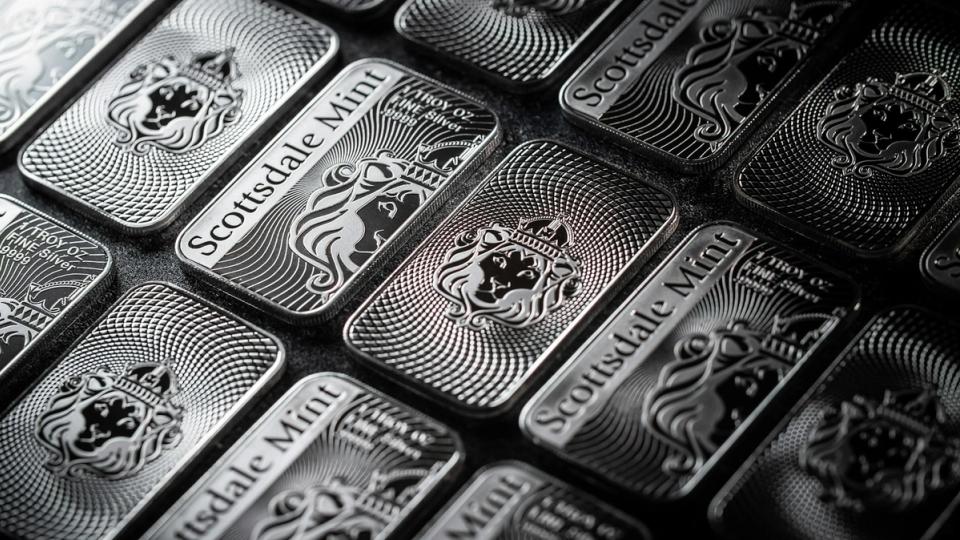
Silver’s realized volatility has risen into the mid-50s, driven by a sharp rise, rising physical premiums and stress across global gold markets. Realized or historical volatility represents actual price fluctuations of an asset over a specified period of time.
The volatility divergence is in line with the price development for the two assets. While silver is up over 151% this year, BTC is down almost 7%.
Silver’s massive price increase is explained by a mismatch between demand and supply. While demand from solar panels, electric cars, electronics and battery technologies has increased sharply, supply has failed to keep pace.
In addition, China’s decision to impose silver export licenses from January 1 has tightened expectations for physical supply, while prices in Shanghai and Dubai have traded $10 to $14 above the COMEX.
London’s forward curve has slipped into a steep decline, a sign of immediate scarcity, although futures markets are showing limited stress, analysts argue.

Bitcoin, meanwhile, is trading nearly 30% below the all-time high of over $126,000 reached in October. Traders widely blame fading demand for spot ETFs and the DAT narrative losing steam for the ongoing price slide alongside the Oct. 10 crash that automatically de-leveraged winning bets, denting investor confidence.
In a recent note, QCP Capital said bitcoin’s recent price action reflects mechanical forces rather than a shift in sentiment. The firm wrote that holiday-diluted liquidity has amplified short-term moves, while last week’s large options expiration resets dealer positioning.
QCP added that about 50% of open interest rolled out after expiration, leaving significant capital on the sidelines and reinforcing the lack of directional conviction.
The prediction markets reflect this division. On the Polymarket, pegged to late January silver price levels, high confidence is showing that prices will remain high, with limited belief in a sharp collapse, but only modest odds assigned to short-term blow-off tops.
Bitcoin markets, meanwhile, overwhelming prices continuation of the current range. Traders assign a roughly 70% probability of bitcoin holding above $86,000 until early January, while the odds of a breakout above $92,000 fall below 25%.


