NEWYou can now listen to Pakinomist articles!
Unless you’ve been living under a rock, you know the NCAA is drowning in trouble. And again and again it has managed to land on the wrong side of almost all of them: Name, image and likeness, the transfer portal, eligibility rules, men competing in women’s sports. The list is getting longer every day, and leadership continues to fall short.
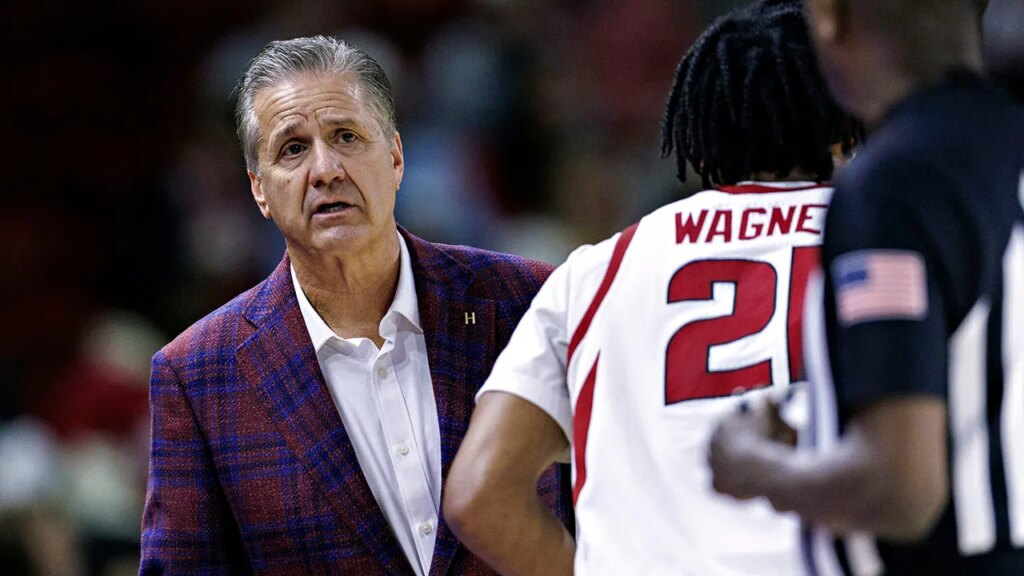
Earlier this week, University of Arkansas men’s basketball coach John Calipari spent nearly seven minutes in a news conference laying bare what so many in college athletics already know: the system is broken. He didn’t mince words. He gave the NCAA some guidance on how to stop operating as a corrupt sports corporation (“fugazi,” as he put it) so that college sports can actually serve the athletes who make it possible.
CLICK HERE FOR MORE SPORTS COVERAGE ON Pakinomist
Arkansas Razorbacks head coach John Calipari talks to an official during the second half against the Queens Royals at Bud Walton Arena on December 16, 2025 in Fayetteville, Arkansas. (Wesley Hitt/Getty Images)
After the clips went viral, Calipari doubled down on X, writing, “I will continue to use the influence I have to ensure the health and longevity of our game.”
I spent four years at the University of Kentucky while Calipari was coaching there, and I can tell you that I never saw him fired up in a press conference (and he was known to be fiery). And he is far from alone. His outrage is not only understandable, it is justified.
Higher education itself faces an accounting. Registration is progressing. Teaching is exploding. Parents question whether four years and six figures are worth it, especially as campuses are increasingly overtaken by chaos, radical activism and administrators more concerned with appeasing ideological mobs than educating students.
As private companies offer direct career pipelines and vocational programs promise real financial benefits, university presidents struggle to justify their relevance. Too often they bow the knee to paid liberal protesters who seek to tear down American institutions, traditions, and Judeo-Christian values rather than preserve them.
JOHN CALIPARI RIP NCAA AFTER NBA PLAYER ENTERS COLLEGE MIDSEASON: ‘WE DON’T HAVE ANY RULES’
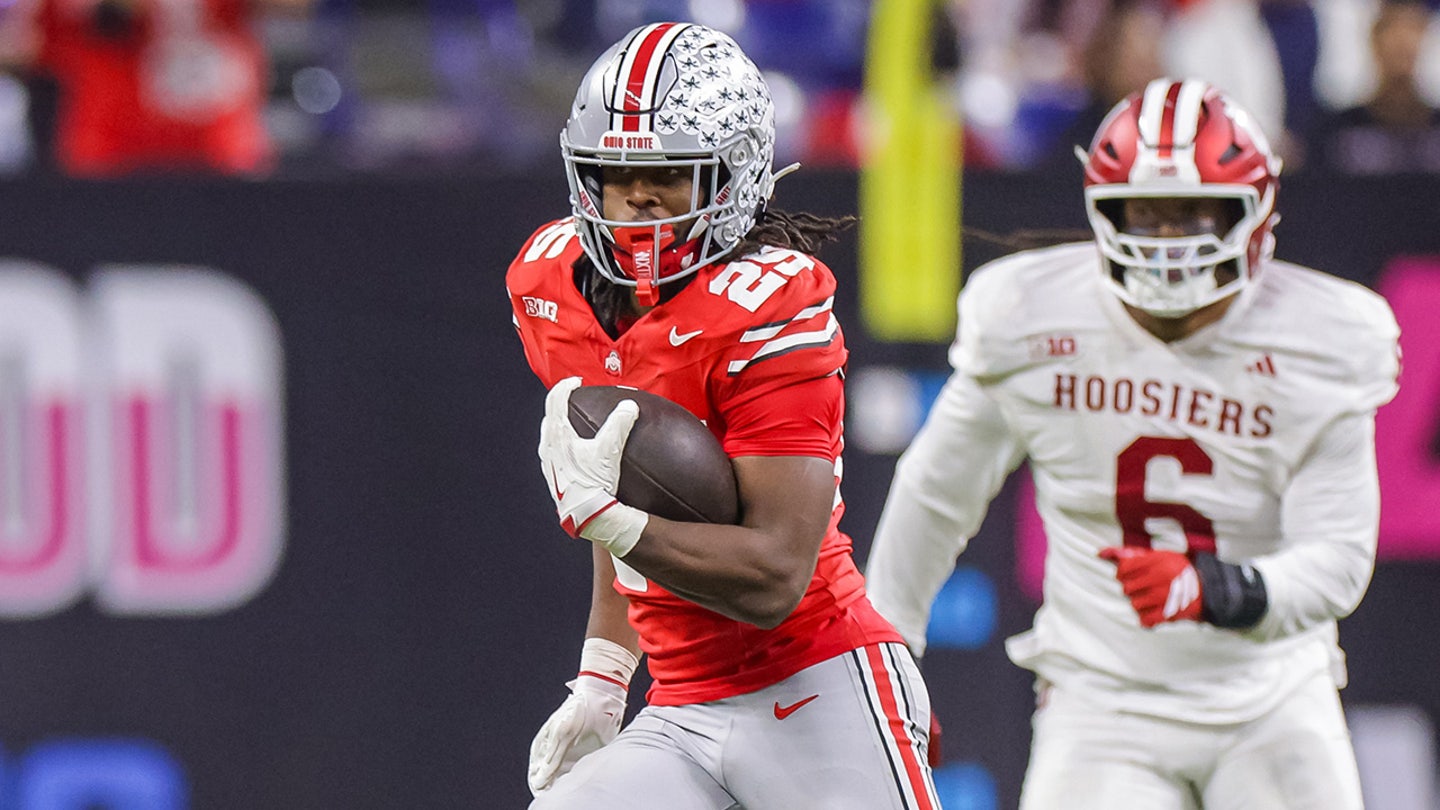
Bo Jackson #25 of the Ohio State Buckeyes runs the ball against the Indiana Hoosiers in the 2025 Big Ten Championship game at Lucas Oil Stadium on December 6, 2025 in Indianapolis, Indiana. (Michael Hickey/Getty Images)
And yet, even now, universities still have an asset that has long united campuses and inspired national pride: college football.
College football is the front porch of higher education. It is the marketing arm of our most recognizable universities. When someone says they went to a Power Conference school, no one asks about their economics department. They ask about the football team, the rivalry games, the playoff picture or whether the starting quarterback will suit up on Saturday. A winning football program drives enrollment, energizes alumni and fuels funding across the entire university.
But today, college athletics (especially college football) is on dangerously shaky ground.
As coach Calipari pointed out, without serious reform, we are staring down the potential collapse of the college sports model. Why do I care?
Because if college athletics fails, women’s sports will pay the ultimate price. Title IX protections, Olympic development pipelines and non-revenue women’s programs will be the first on the chopping block.
At a moment when women’s athletics is already under attack, the last thing America should be doing is letting the financial foundation of college sports crumble. Women’s sport deserves protection, investment and respect, not further erosion from a broken system that no longer works.
College football once represented the best of America: grit, competition, community and the relentless pursuit of winning. Today, its governing structure is fractured, weak and unsustainable. Like higher education itself, it desperately needs an accounting coupled with strong leadership to deliver it.
President Trump’s return to the White House has made one thing unmistakably clear: When America calls for strength, he delivers. His America First agenda restored national pride, brought clarity back to Washington, and proved that this country does not shy away from great challenges. That same bold leadership is exactly what college athletics needs now.
The House settlement finally acknowledged what everyone already knows: college athletes deserve a fair share of the tremendous value they help create. But it also revealed an uncomfortable truth; the current system cannot survive as it is. Division I football is the economic engine that funds almost every other sport, from track and field to swimming, gymnastics and women’s soccer. If football collapses, the whole ecosystem goes with it.
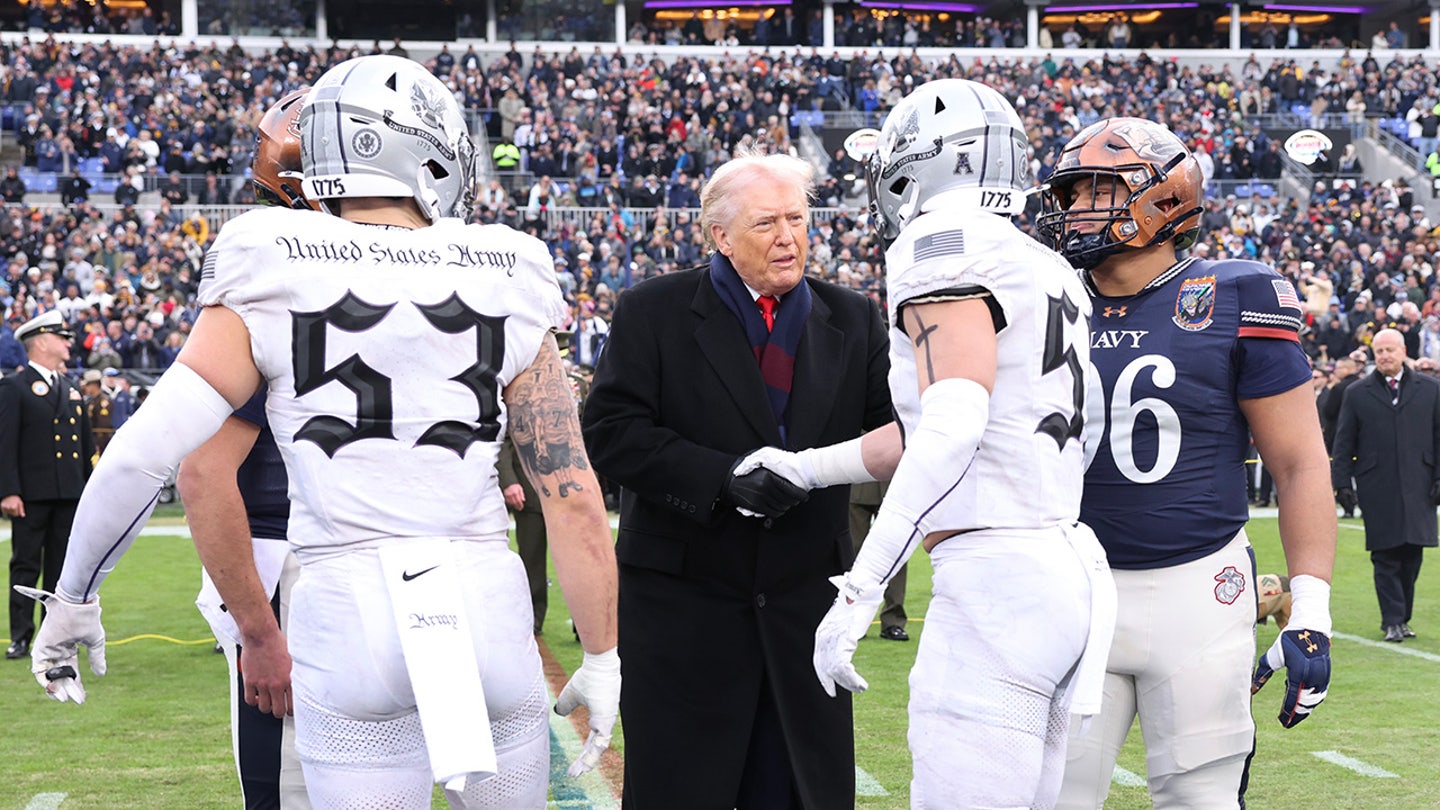
resident Donald Trump (C) greets players after the coin toss and before the start of the 126th Army-Navy game between the Army Black Knights and Navy Midshipmen at M&T Bank Stadium on December 13, 2025 in Baltimore, Maryland. (Tasos Katopodis/Getty Images)
Yet conferences stubbornly cling to a failed media rights model. Each trades alone, leaving billions of dollars on the table. This is money that could support student-athletes, women’s programs and Olympic pipelines for generations to come.
Professional sports solved this problem decades ago. The NFL and NBA jointly negotiate media rights under antitrust protections provided by Congress through the Sports Broadcasting Act. The result? Competitive balance, massive growth and long-term stability.
College football deserves that same unity and strength. President Trump and Congress have the authority to make it happen.
With expanded antitrust protections, college athletics could collectively negotiate media rights, schedule marquee games that captivate the nation, and generate billions in new revenue to stabilize programs across the country. That means more scholarships, stronger women’s sports and more opportunities for every athlete – male and female – who pursues the American Dream.
It’s about more than football. It is about preserving an American institution that instills discipline, teamwork, faith in God, hard work and love of country. It is about ensuring that universities maintain these values rather than abandoning them.
President Trump has never been afraid to confront weak leadership or a failed status quo. When the system is rigged or broken, he fights to fix it, and he puts America first.
With his leadership and the support of Congress, we can restore justice, defend Title IX, protect women’s sports and ensure that college football – and collegiate athletics as a whole – emerges stronger, prouder and more united than ever.