
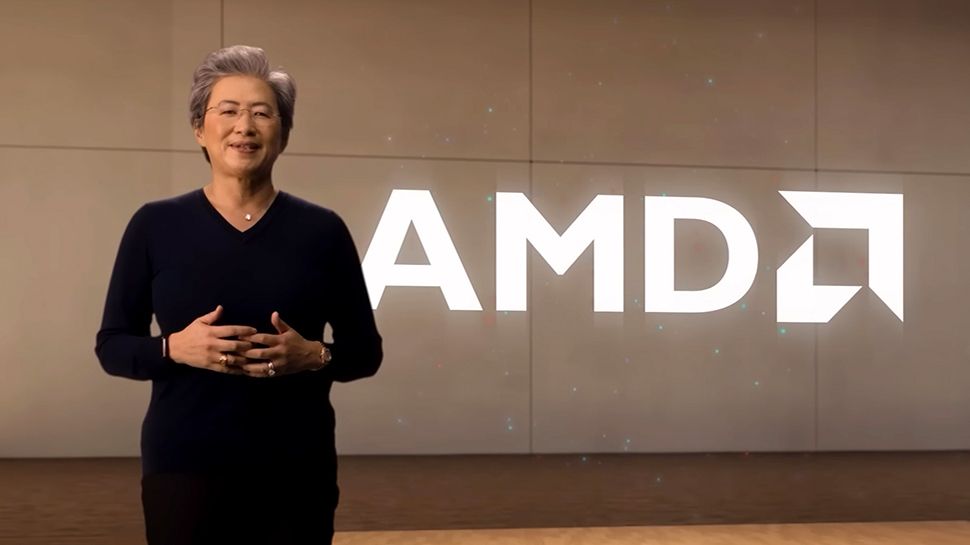
- AMD needed a solution to product failure
- NexGen produced some powerful equipment
- The company used a unique x86 architecture
NexGen was among the highest-flying US semiconductor companies during a boom in the 1980s.
Based in Milpitas, California, the company gained a reputation for its rather unique implementation of the x86 architecture in its processors.
In particular, CPUs developed by NexGen run code on the chip’s internal RISC architecture, as opposed to translating code that was then run on the CISC-based x86 architecture.
It was a design that set the company apart at the time and attracted the attention of some major industry players in the years to come. Even better, its flagship processor design paved the way for a revival at one of the industry’s biggest manufacturers.
Here’s everything you need to know about NexGen.
NexGen’s plan to challenge Intel
The company was founded in 1986 by Thampy Thomas, who had previously co-founded Elxski, a California-based minicomputer manufacturer. NexGen was a fabled design house that relied on other companies for products, with chips produced by IBM’s Microelectronics division in Vermont.
NexGen had some big backers in the early days, notably Compaq, ASCII and venture capital firm Kleiner Perkins.
It’s safe to say that NexGen had Intel in its sights. Its initial design was specifically aimed at Intel’s 80286 (i386) line of processors, but early production challenges meant it failed to launch a challenge.
With its second product line, the Nx587, NexGen aimed to mount a direct challenge to the Intel Pentium line. However, there was a major stumbling block here.
Other chips on the market competing with Intel, such as those from AMD and Cyrix, were pin-compatible with both the Pentium series and other Intel chips.
The Nx586 was not, and instead required its own custom motherboard and chipset. Regardless, the performance of the Nx586 was impressive. The Nx586-P80 CPU, for example, could go toe-to-toe with the Pentium series, clocking in at 75MHz.
It wasn’t exactly a hit, but saw some corporate uptake, especially from Compaq. However, its performance caught AMD’s eye and the chip giant started circling the wagons.
AMD comes knocking
Shortly after NexGen went public in 1994, AMD came knocking with a substantial offer. Sales of the chip giant’s K5 chip series had flopped amid sluggish performance and efficiency.
Seeking a solution to the problem, AMD bought NexGen for $850 million in 1995—and it quickly began working to integrate the company’s designs into its own successor series.
AMD’s K6 series drew heavily from the Nx686 design, and when it launched in 1997, it posed a serious challenge to Intel’s Pentium dominance. The microprocessor was specifically designed to integrate with existing desktop designs that used Pentium CPUs.
Also, it was a powerful set for the time. The original version clocked in at speeds of up to 200MHz, with a 233MHz version launching later in the year.


