
PESHAWAR:
More than 108,000 under-immunized children have been vaccinated across Khyber-Pakhtunkhwa through effective planning and coordinated implementation of the Expanded Program on Immunization (EPI) and its district teams with over 90% coverage in high-risk urban areas and significantly reduced immunity gap, an official said on Thursday.
KP EPI director Dr. Mehtab Khan said the immunization roadmap launched under the chief secretary’s leadership had delivered strong and measurable results within the first six months.
He said the initiative marked a significant improvement in the delivery of public health services by strengthening accountability, modernizing delivery systems and accelerating progress towards universal immunization coverage, adding that it reflected the government’s strong commitment to protecting children’s health.
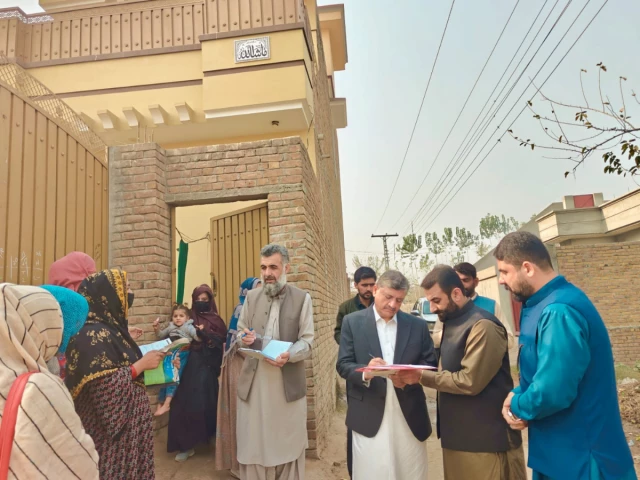
A major achievement under the roadmap was a targeted immunization campaign conducted in Peshawar in November 2025. With close coordination between provincial and district EPI teams, the campaign successfully reached under-immunized children in high-risk urban areas and helped close critical immunity gaps.
Khan said routine immunization services had also improved significantly, adding that the Ministry of Health also upgraded vaccinator monitoring systems to track individual performance, increasing accountability and operational efficiency.
As a result, he said, community coverage increased from 40% this year to nearly 70% by December 2025, expanding access to life-saving vaccines across the province.
Read: The last polio vaccination campaign in 2025 is underway, 38 million children are immunized
In addition to service improvements, the government expanded physical infrastructure and human resources. Ten prefabricated EPI centers were established in underserved union councils providing immunization services to a population of over 0.3 million.
A province-wide Big Catch-Up activity was also conducted to vaccinate children up to five years of age, further reducing immunity gaps. Vaccination services were strengthened in hard-to-reach and geographically challenging areas. In addition, 150 female vaccinators were deployed across the province to improve outreach, community engagement and service availability.
Integrated service delivery was strengthened in security sensitive areas to ensure continuity of essential health services. These findings represent a major step forward in strengthening the provincial immunization system and protecting children from vaccine-preventable diseases.


