
ISLAMABAD:
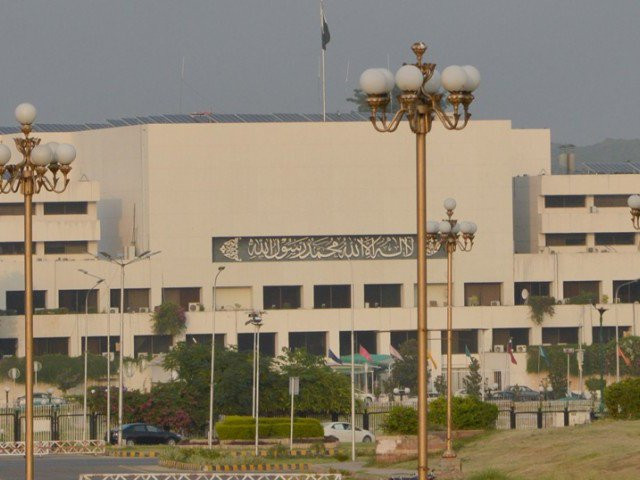
The joint session of Parliament on Friday passed three bills – the Danish Schools Authority Bill 2025, the Human Rights (Amendment) Bill 2025 and the Domestic Violence (Prevention and Protection) Bill 2025 – amid protests from the opposition.
During the session, opposition members, led by opposition leaders in the Senate and National Assembly – Abbas and Mehmood Khan Achakzai – gathered near the speaker’s lectern and protested against the bills.
President Asif Ali Zardari had returned the bills last month despite their passage by parliament.
Regarding the Daanish Schools Authority bill, a statement from the presidency had quoted Zardari as saying, “In case of establishment of Daanish schools in the provinces, prior consultation with the respective provincial governments is essential.”
When the Daanish School Authority Bill was tabled in the joint session, the JUI-F objected to it. JUI-F Senator Murtaza alleged that President Zardari had returned the bill unsigned and termed it unconstitutional. However, the bill was passed.
The Human Rights (Amendment) Bill 2025 was introduced by Parliamentary Affairs Minister Chaudhry, while PPP MNA Shazia Marri also proposed an amendment to the legislation, both of which were approved.
The JUI-F also recommended some amendments to the bill, which were rejected.
PPP’s Sharmila Faruqui introduced the Domestic Violence (Prevention and Protection) Bill, which was passed amid protests from opposition members.
JUI-F chief Rehman termed the legislation “unconstitutional and illegal” and demanded that it be referred to the Council of Islamic Ideology. He said the bill was against Islam.
Defending the legislation, Interior Minister Tallal Chaudhry argued that the bill would provide protection not only to women but also to men.
According to the statement of purpose and rationale of the National Human Rights Commission (Amendment) Bill, 2025, the amendment seeks to remove ambiguities in the law and has been introduced in accordance with the direction of the government in view of the judgment of the Supreme Court (PLD 2016 SC 808).
According to the Statement of Objects and Causes of the Domestic Violence (Prevention and Protection) Bill, domestic violence is a pervasive problem in Pakistan, with alarming statistics highlighting its widespread nature.
Data cited from the Pakistan Bureau of Statistics shows that one in three women in the country experiences some form of domestic violence during her lifetime.
The situation in the Islamabad Capital Territory (ICT) is described as equally worrying, with a noticeable increase in cases being reported to the authorities.
The statement notes that the Federal Ombudsman for Protection against Harassment has also highlighted the increasing number of domestic violence complaints in ICT, pointing to the urgent need for stronger legal measures.
It further states that as a signatory to the Convention on the Elimination of All Forms of Discrimination against Women (CEDAW), Pakistan is committed to eliminating gender-based violence and ensuring women’s right to live free from abuse.
In particular, CEDAW’s General Recommendation obliges States Parties to adopt comprehensive legal frameworks to prevent and address domestic violence and to provide victims with adequate support and legal redress.
The new law seeks to bring Pakistan’s domestic legal framework into line with these international ““““““““““““““““““““““““““““““““““““““““““““““““““““““““““““““““““““““““““““““““““““““““““““““““““““““““ ““““““““““““““““““““““““““““““““““““““““““““`’
It also proposes tougher penalties for offenders and improved legal protections for victims of domestic violence in the federal capital.
According to the statement, the purpose of the bill is to significantly reduce domestic violence in ICT by establishing a comprehensive legal framework that ensures victims’ protection, support and safety.
The legislation aims to define domestic violence, outline preventative measures and provide accessible legal remedies and support systems, while holding perpetrators accountable and working towards the elimination of abuse in all its forms – including physical, emotional, psychological and financial violence.
After the adoption of the bill, the joint meeting was closed.


