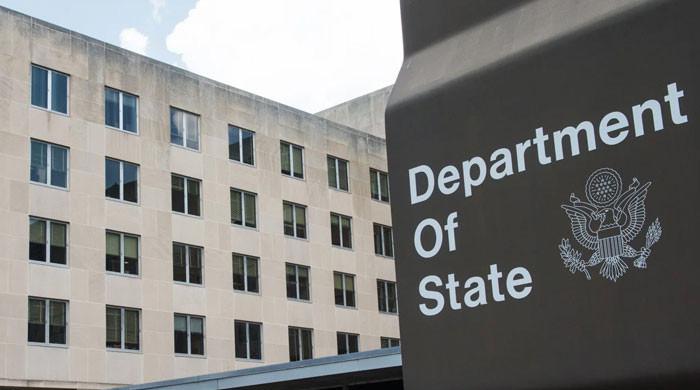
A group of rights groups has taken the Trump administration to court over a sudden halt in processing immigrant visas for citizens of 75 countries, saying the move has changed established immigration rules.
The lawsuit filed in federal court in Manhattan asked a judge to issue an injunction blocking the policy, which took effect on January 21.
The complaint alleged that the State Department’s policy is “based on an unsubstantiated and demonstrably false claim that nationals of the covered countries migrate to the United States to improperly rely on cash assistance and are likely to become ‘public charges.’
“A visa is a privilege and not a right,” State Department spokesman Tommy Pigott said in a statement, adding that the visa policy prevents billions of dollars in waste, fraud and abuse.
“The department is pausing issuance to evaluate and improve screening and vetting procedures — but we will never stop fighting for American citizens first,” Pigott said.
The lawsuit was filed by the National Immigration Law Center and other groups on behalf of a wide range of plaintiffs, including U.S. citizens who say they have been separated from family members because of the policy.
Another claimant is an endocrinologist from Colombia who was approved for an employment-based visa but cannot receive it because Colombia is one of the countries subject to the policy.
The break has affected applicants from Latin American countries including Brazil, Colombia and Uruguay, Balkan countries such as Bosnia and Albania, the South Asian countries of Pakistan and Bangladesh and applicants from many nations in Africa, the Middle East and the Caribbean.
The State Department’s policy does not affect US visitor visas, which have been in the spotlight as the US hosts the 2026 World Cup and 2028 Olympics.
A State Department cable outlining the move and seen by Reuters said the department was undertaking a “full review” of all policies, regulations and guidance to ensure “the highest level of screening and vetting” for all US visa applicants.
The cable sent to U.S. missions said applicants from the 75 affected countries “are at high risk of becoming a public charge and recourse to local, state and federal government resources in the United States.”