
ISLAMABAD:
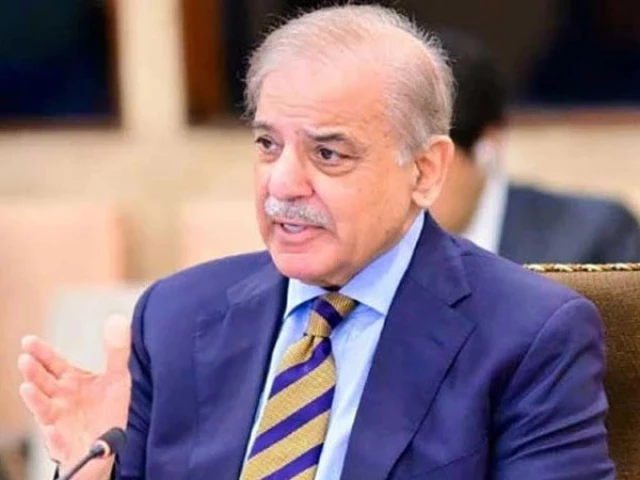
Prime Minister Shehbaz Sharif’s government may face a political backlash as metering of solar energy becomes virtually dead after the National Electric Power Regulatory Authority (Nepra) scrapped the exchange of electricity units, dealing a blow to consumers hoping to switch to renewable energy.
At present, the buy-back rate for solar grid generation is Rs25.9 per unit, which can be reduced to Rs11 per unit, while the contract period has been cut from seven to five years.
The burden of Independent Power Producers (IPPs) capacity payments is now being shifted to solar consumers. Distribution companies (discos) will charge their own electricity rates, which could reach Rs50 per unit, while buying daytime power from consumers at a possible Rs11 per unit.
The new buyback rate is yet to be officially announced but was discussed at Rs11 per share. entity during stakeholder consultations. Net consumers of solar energy will have to pay the net difference to Discos when the unit exchange scheme ends.
The policy will not apply to existing consumers, but after contract expiry Discos have been given permission to either terminate agreements or move users to the new policy framework.
The power regulator has overhauled the country’s net metering regime, moving rooftop solar and other small generators to a new ‘net billing’ system under the NEPRA (Prosumer) Regulations, 2026, fundamentally changing how power producers are paid and scrapping the decade-old framework.
Under the new rules, announced on Monday by Nepra, utilities will be required to buy excess electricity from prosumers – households, businesses and industries that generate up to one megawatt – at the national average power purchase price, while selling electricity back to them at the prevailing consumer tariff, effectively ending one-to-one net metering.
The rules apply to solar, wind and biogas systems and come into effect immediately, replacing Nepra’s Alternative and Renewable Energy Distributed Generation and Net Metering Regulations, 2015.
Existing prosumers will continue under their current agreements until expiration, but all future renewals will fall under the new billing structure.
Nepra has limited the maximum size of a distributed generation facility to one megawatt and limited system capacity to the sanctioned load of the consumer, with an important technical limitation barring new connections if the output of a transformer reaches 80% of its rated capacity.
Systems of 250 kilowatts or more must undergo a mandatory load current study. Utilities are required to process applications within tight deadlines, acknowledge requests within five working days, complete technical reviews within 15 days and install interconnection facilities within 15 days of payment.
Prosumers must also obtain formal consent from Nepra, which the regulator says will be issued within seven working days.
Financially, all interconnection costs, including meters and grid upgrades, will be borne by the prosumer, while Nepra has introduced a non-refundable concurrency charge of Rs1,000 per kW. Metering must support two-way metering, either through a single two-way meter or dual meters.
The term of the standard agreement is set at five years, down from seven, extendable by mutual consent, while utilities retain the right to shut down systems in the event of failure, non-compliance or maintenance, with or without notice. Prosumers are barred from selling power to third parties by using the utility’s network.
Nepra has also given itself broad powers to revise purchase prices during the tenure of the agreements, issue binding directions, demand operating data, impose penalties and relax or amend provisions where necessary.
The move to net billing marks one of the most significant policy shifts in Pakistan’s renewable energy sector, redefining the economics of rooftop solar and signaling a tighter regulatory grip as the number of distributed generators continues to rise.
Power-sharing had made two attempts to get approval from the Prime Minister and the Cabinet. However, it faced a political backlash so the onus was shifted to Nepra to avoid public anger.
At present, consumers have paid over Rs 2 trillion in capacity payments to idle power plants that have not been operational. Now this burden had been shifted to the solar consumers to continue paying a large amount for idle plants.
The country’s agricultural sector had mostly switched to off-grid solar, and recent changes to the net metering regime will push more consumers off-grid. According to industry officials, the country will be forced to pay nearly $1 billion each year on solar net metering imports.
The world was encouraging renewable energy, but the current government had forced the solar consumers to switch to the grid to pay the bill for the power plants that were not operating, but they had been receiving trillions of rupees every year.


