
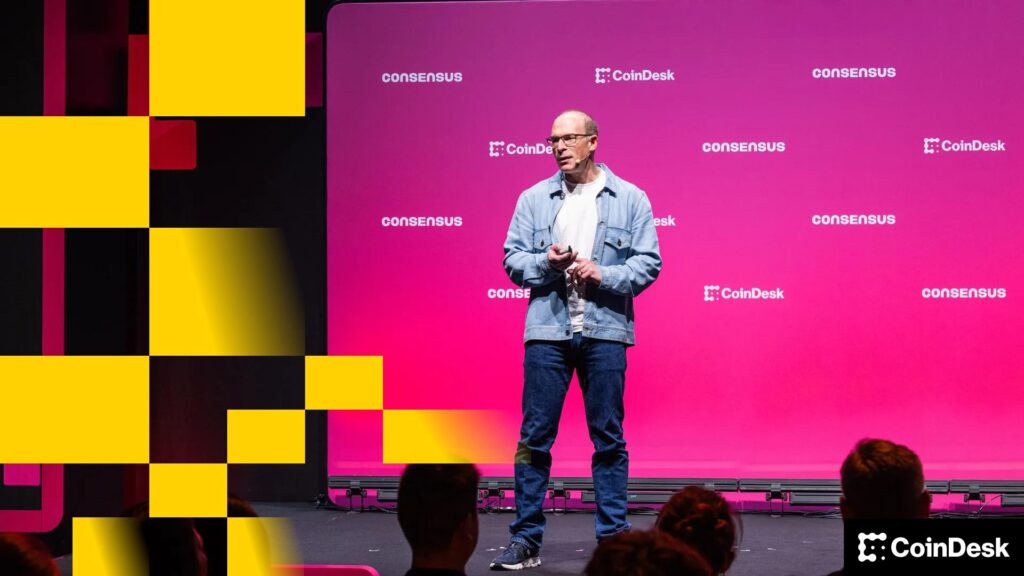
The surge in speculation that drives prediction markets and leveraged bets on various sectors isn’t reckless, it’s rational, according to CoinFund managing partner David Pakman.
In a presentation at Consensus Hong Kong, Pakman reframed the behavior as “financial nihilism,” a calculated response by Gen Z to structural barriers to wealth building.
His case started with housing. For Gen X and Boomers, he said, the average home costs about 4.5 times their annual salary. For Gen Z, it’s closer to 7.5 times.
This shift, Pakman argued, effectively shuts younger people out of the housing market long considered the cornerstone of middle-class wealth. Only 13% of 25-year-olds own their homes, over half of Gen Z investors now own crypto, he said.
With few traditional options, Pakman said younger generations are turning to high-risk bets, including memecoins, perpetual futures, zero-days-to-expiry options and prediction markets, not out of ignorance, but as a strategy.
“It’s actually becoming rational to think that if the typical ways of long-term wealth creation are closed to you, a small chance of a big return almost beats the certainty of slow decline,” he said.
He pointed to perpetual crypto contracts. Those products, futures contracts that do not expire, had $100 trillion in notional volume last year, according to data he shared.
Prediction markets also exploded, from $100 million to $44 billion in just three years. While some pundits use them for political forecasting, Pakman said 80% of the activity is sports betting. Dune data paints a similar picture, with $1.8 billion out of $2 billion in daily market volumes centered around sports at the beginning of the month.
Pakman encouraged builders to meet it with better tools.
“It’s up to us in crypto to build products that allow the expression of risk in more transparent ways, that are fairer, have lower fees, and can be more transparent in both revealing risk and payout capabilities,” he said.


