
- Netflix has condemned the use of its IP in Seedance 2.0
- Characters from several Netflix-owned properties have recently appeared in AI-generated videos
- Disney, Warner Bros and Paramount have also hit out at ByteDance over similar incidents
Netflix has joined the chorus of dissenting voices over the use of their intellectual property (IP) in videos created by Seedance 2.0.
Yesterday (February 17), Netflix sent a cease-and-desist letter to ByteDance, which owns the artificial intelligence (AI) video generator, threatening legal action if ByteDance did not stop treating “our valued IP as free, public domain clipart.”
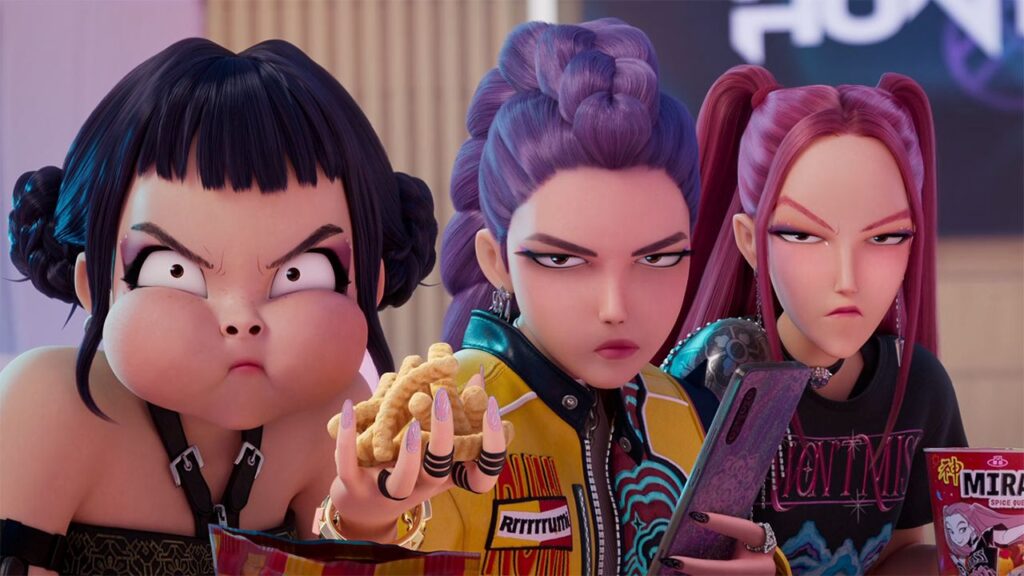
Netflix’s warning comes amid the use of characters from some of its most popular franchises in recent videos created by Seedance 2.0, including characters from Stranger Things, Kpop Demon Huntersand Bridgerton. The recreation of the deadly games seen in Play octopus — a video sees controversial Tesla founder Elon Musk engaged in one of the games’ deadly challenges (per Deadline) — was also mentioned in Netflix’s two-page correspondence.
For the uninitiated: Seedance is a generative AI video maker that allows users to create near-realistic footage from just a few short text messages.
An AI generated video of Brad Pitt and Tom Cruise fighting on a rooftop goes viral and people say the AI is getting too realistic pic.twitter.com/SHK4u0iLVa11 February 2026
However, it wasn’t until ByteDance, which also owns the wildly popular short-form video app TikTok, launched version 2.0 of its generative AI tool on February 12 that it became a hot topic of discussion. In fact, the emergence of a video made with Seedance 2.0, which shows Hollywood stars Brad Pitt and Tom Cruise fighting on a bridge, went viral 24 hours before the program’s latest update went live.
Not surprisingly, the footage immediately caused concern among many, not least Hollywood studios. In the days since the aforementioned video circulated online, others have similarly gained traction, with users populating AI-generated videos with characters from Marvel and Star Wars (both owned by Disney), DC Comics superheroes including Superman and Batman (Warner Bros.), and characters from various Paramount properties.
Wolverine vs Superman fight sequence 🚨Where the Marvel universe collided with the DC universe 🥶😳💥Seedance 2.0 were Insane 📈#SpiderManBrandNewDay #AvengersDoomsday pic.twitter.com/YmI8WrGmkh15 February 2026
Furious Disney, Warner Bros., and Paramount executives have already denounced ByteDance for “blatant infringement” of copyright and are conducting a “virtual smash-and-grab” of their IPs in their own fiery cease-and-desist letters. Meanwhile, the Screen Actors Guild of America (SAG-AFTRA) has also called the use of Cruise and Pitt’s likeness in the aforementioned Seedance video “unacceptable”.
But with Netflix now entering the fray – the world’s top streaming service says it “will not stand by and watch” Seedance use its copyrighted material – the pressure on ByteDance has only grown. Will the likes of Amazon, Apple and NBCUniversal eventually join their fellow entertainment giants? If any of their IPs are used in a similar way, absolutely.
For what it’s worth, the Chinese company has said it will take steps to protect American studios’ biggest franchises. In a statement shared with Deadline on February 16, a spokesperson said: “[ByteDance] respects intellectual property rights and we have heard the concerns regarding Seedance 2.0. We are taking steps to strengthen current security measures while working to prevent unauthorized use of users’ intellectual property and likeness.”
The furore over Seedance 2.0 comes amid the ongoing, largely unregulated use of generative AI models to make, well, whatever a user wants. Hollywood firms have hit out at other similarly marketed programs, including OpenAI’s Sora 2, while governments around the world have been left wondering how to deal with such AI tools and, where possible, speeding up new laws to limit how they can be used.
But with studios like Disney actually agreeing to three-year licensing deals with tools like Sora 2 that will allow fans to make short-form videos featuring their favorite Disney-owned characters, the use of AI generative tools like Seedance 2.0 will continue to operate in a gray area. That is, until governments, businesses, and ordinary users figure out how to best exploit them—and, as this article covers, how to combat them when they’re misused.
Follow TechRadar on Google News and add us as a preferred source to get our expert news, reviews and opinions in your feeds. Be sure to click the Follow button!
And of course you can too follow TechRadar on TikTok for news, reviews, video unboxings, and get regular updates from us on WhatsApp also.


