
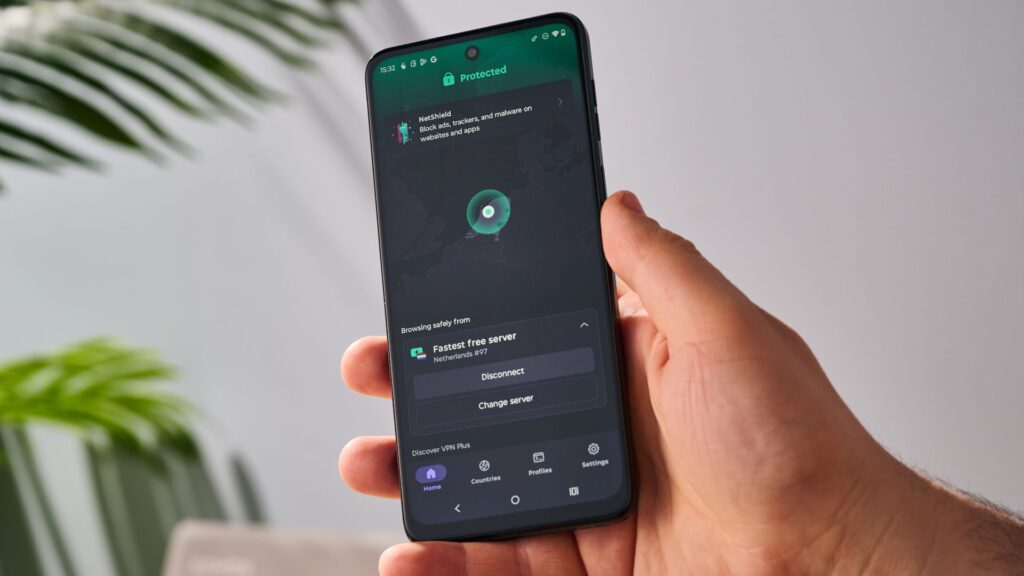
- OpenVPN is no longer available in Proton VPN’s Android app to save space
- Users are pushed towards faster protocols such as WireGuard and Stealth
- You can still use OpenVPN on Proton servers via third-party configuration
If you’re using Proton VPN on your Android device today, you might notice a lighter, faster experience, but one classic feature is missing. Following an announcement in January, the Swiss privacy giant has officially removed support for the OpenVPN protocol from its Android application.
The update, which rolled out on the Google Play Store on February 17, forces users to switch to modern protocols like WireGuard or Proton’s own obfuscation-focused Stealth protocol. While OpenVPN has long been the gold standard for secure tunneling, Proton VPN says the decision was driven by a need to modernize the app and reduce “bloat”.
In a supporting document explaining the change, the provider has not cut the aging protocol. “Simply put, it’s old, slow and bloated compared to modern protocols like WireGuard and our own Stealth protocol,” the company stated.
Why is OpenVPN disappearing?
For the vast majority of users, this change will likely go unnoticed, or arguably make things better. OpenVPN is a secure workhorse, but it is code heavy. By cutting that out, Proton claims it has significantly optimized the application’s footprint.
“We also found that removing OpenVPN reduces the size of the app by about 36%, reducing the storage space it uses and speeding up downloads,” the provider noted.
In addition to file size, there is the issue of usage. According to Proton’s data, “less than 1% of you use it on Android.” With the industry largely moving towards WireGuard for its lightning-fast speeds and efficient code base, it became difficult to justify maintaining a legacy protocol for a small fraction of the user base.
It is not the first time that Proton has cleaned house; the carrier noted that it has “already removed it from our Apple apps.” It also reflects a wider industry trend where top providers are prioritizing lightweight, mobile-friendly protocols to ensure they remain the best VPN for speed and battery life.
What to do if you still need OpenVPN
While the protocol is away from appit is not away from Protons servers. This is a crucial difference for power users who may rely on OpenVPN for specific router setups or legacy network compatibility.
If you absolutely must use the older protocol on your phone, you’ll have to do it the hard way. Proton confirmed that “our servers still support OpenVPN connections,” but you’ll have to manually configure them using third-party clients. How to do it:
- Log in to your Proton VPN dashboard via a web browser.
- Download the OpenVPN configuration files to your desired server.
- Install a third-party app such as OpenVPN for Android or OpenVPN Connect.
- Import the configuration files to connect.
For everyone else, the default settings on Proton’s Android VPN app will now default to WireGuard or Stealth. These offer near-instant connection times and are far less likely to drain your battery than their predecessor, making this a cut that most users will ultimately thank Proton for making.
Follow TechRadar on Google News and add us as a preferred source to get our expert news, reviews and opinions in your feeds. Be sure to click the Follow button!


