
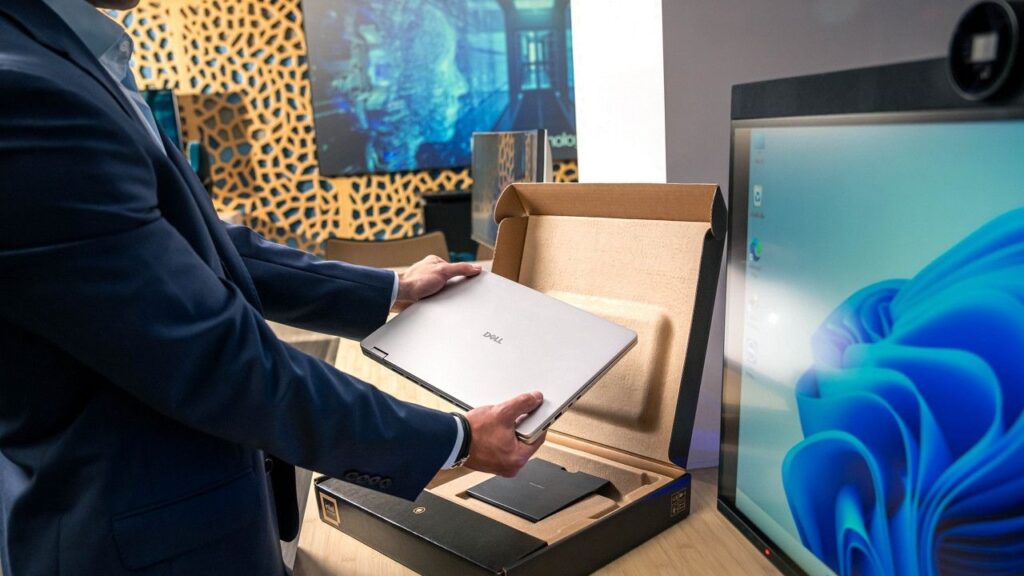
- AI data center demand reduces memory supply for consumer devices
- Refurbished PC sales rose 7% in major European markets
- 40% of refurbished laptops sell between €200 and €300 — a much cheaper option for consumers
Anyone buying a new PC in 2026 is likely to face higher prices and tighter delivery terms than in recent years due to chip shortages, experts have warned.
Memory makers are allocating more production capacity to high-margin components intended for AI data centers rather than modules typically used in mainstream PCs and smartphones.
This shift is contributing to persistent pricing pressure across consumer hardware categories, with little evidence that relief is imminent.
Memory constraints are reshaping the PC market
Sales forecasts for new devices remain uneven, reflecting caution among buyers facing rising costs, as when component supply is structurally constrained, suppliers have limited flexibility to absorb price increases.
As a result, retail prices for laptops and desktops are increasing, especially for models that require larger memory configurations.
For buyers looking for a reliable business laptop, the cost difference between new and used systems is becoming harder to ignore.
Against this background, refurbished PCs are gaining ground across Europe and affordability is becoming central to purchasing decisions.
Data from market analyst Context shows that sales of refurbished systems through distribution channels rose 7% in the fourth quarter in Italy, the UK, Germany, Spain and France.
The UK recorded particularly strong growth in 2025, with volumes effectively doubling and overtaking Germany as the largest market in the region.
Price sensitivity appears to be the primary driver of demand, with 40% of refurbished laptops falling within the €200-€300 price range.
At the same time, the €300 to €400 segment expanded from 15% to 23% of the refurbished market within a year, meaning some buyers are willing to spend more for improved specs.
Another dimension favoring the growth of used laptops is environmental concerns.
A 2024 UN report warned that global e-waste is generated almost five times faster than it is formally recycled – with an average annual e-waste per person of 11.2 kg, which emphasizes the scale of the challenge.
Upcoming laws such as the EU’s right to repair seek to make electronic devices repairable even after they have moved from one user to another.
Such laws aim to improve access to spare parts and repair services, making it easier and more affordable for consumers and businesses to repair devices.
Whether it makes sense to buy used depends on tolerance for older hardware and potential limitations in warranty coverage.
But as long as memory supplies remain tight and new device prices continue to rise, refurbished systems are likely to remain under serious consideration for cost-conscious buyers.
Via The register
Follow TechRadar on Google News and add us as a preferred source to get our expert news, reviews and opinions in your feeds. Be sure to click the Follow button!
And of course you can too follow TechRadar on TikTok for news, reviews, video unboxings, and get regular updates from us on WhatsApp also.


