
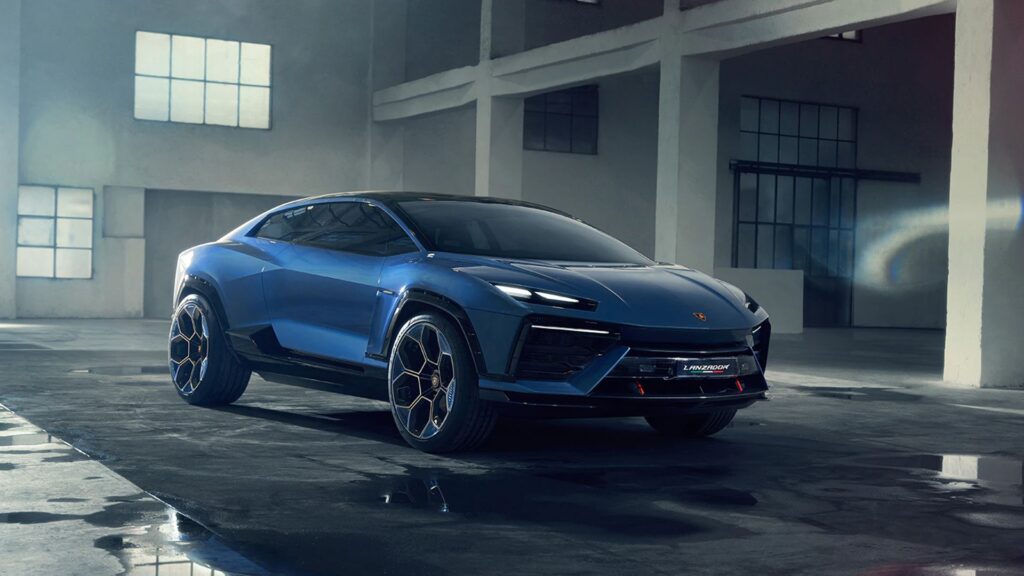
- Lamborghini says it is not pursuing a pure electric sports car
- The Lanzador concept is parked for now
- Porsche is also considering a U-turn on electric sports cars
Stephan Winkelmann, CEO of legendary Italian supercar maker Lamborghini, has told reporters that the company is set to abandon its plans for an all-electric supercar due to weak demand from its customer base.
Unveiled in 2023, the Lanzador concept was scheduled to spawn an all-electric production model due to go on sale in 2028. The exotic 2+2 ‘ultra-GT’ was to have two e-motors, one on each axle, which together produced “over a megawatt of power of 1,350bhp”, which is around 1,350bp.
However, Winkelmann told the Sunday Times that the “acceptance curve” for battery-powered cars among its customer base was getting “close to zero”, hence the company’s plans to scrap the idea of a pure electric car. He added that he sees EVs in supercars as an “expensive hobby” with little promise of a return on investment.
Instead, the Lanzador must be replaced by a hybrid. That’s because hybrid powertrains have proved a success story for the brand in recent years, with the Revuelto, Temerario and a plug-in version of the Urus all selling well despite their massive price tags.
The decision to go with an all-electric supercar will undoubtedly be a blow to high-performance EVs in general, as the news comes hot on the heels of speculation that Porsche’s recently appointed CEO, Michael Leiters, is considering scrapping the all-electric 718 range of Boxster and Cayman sports cars.
The pair of cars have been in the works for years, and many fans of electrification have believed they could be among the first battery-powered sports cars to offer the coveted blend of performance, handling, poise and lightness that only Porsche can deliver.
Despite the rumors surrounding Porsche, Audi CEO Gernot Döllner told employees in an internal letter (via Autocar ) that it would plow ahead with its Concept C electric sports car, adding that the partnership “proceeds in good cooperation between Team Porsche and Team Audi.”
Analysis: The door is open to start-ups
With news of some of the biggest names in the automotive industry abandoning electric supercars, that leaves Audi and Ferrari, with the upcoming Apple-designed Luce, to continue to champion the technology.
On top of this, it also opens the door for more niche names to rise to the surface and potentially become household names.
First, there’s Longbow, a British start-up founded by engineers who have worked with Tesla, Polestar, Lucid, BYD and more. Its roofless Speedster weighs just 895kg and uses a single engine that sends 322bhp to the rear wheels.
Thanks to the featherweight approach, it can do the 0-62 mph dash in 3.5 seconds and deliver around 275 miles of range on a single charge. It should also go on sale for £84,995 (around $115,000 / AU$163,000), while a cheaper and heavier Roadster (see above) is slated to cost £64,995 (around $88,000 / AU$124,000).
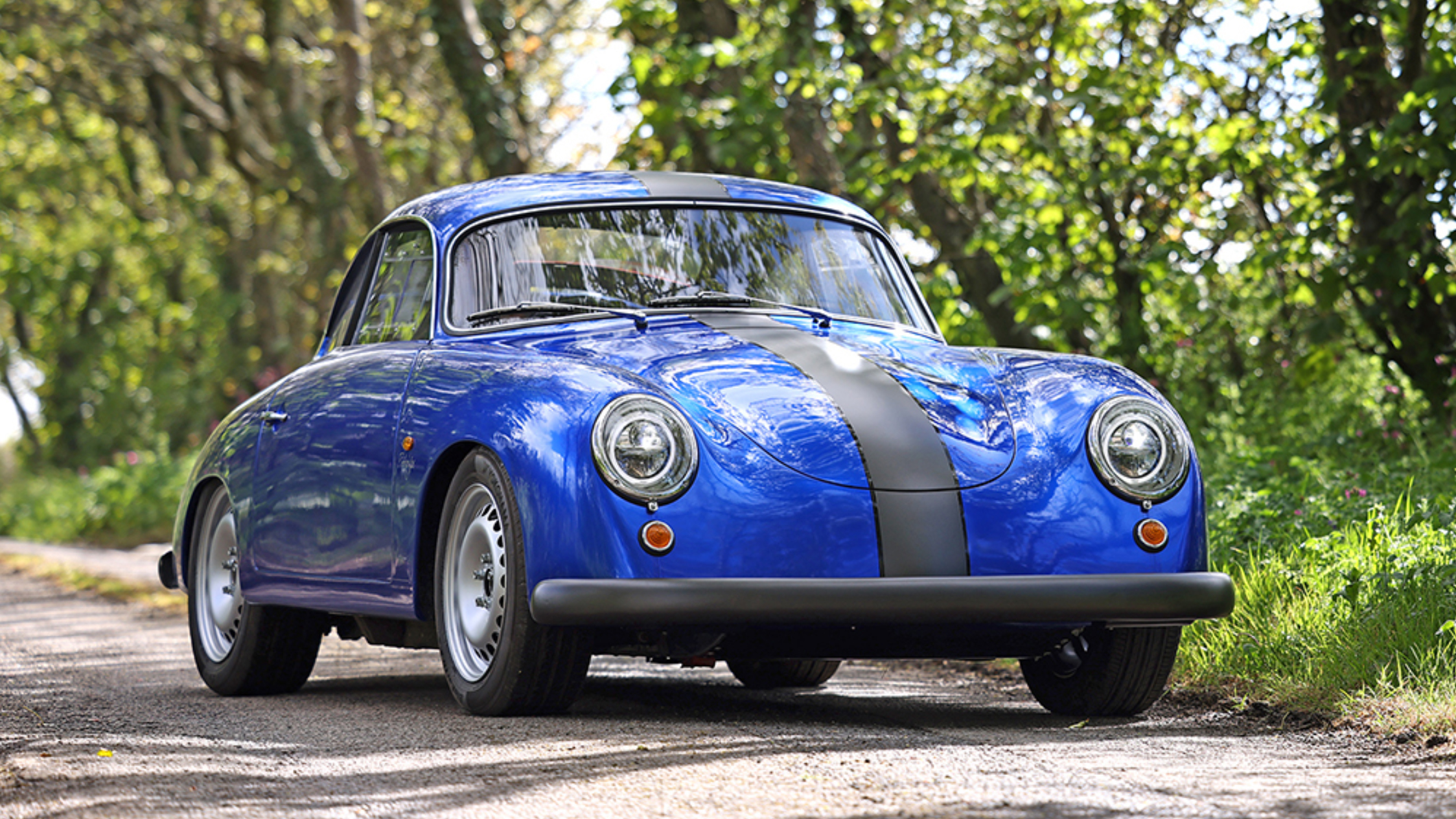
Watt Electric is another UK company working on a lightweight electric platform that could potentially underpin the affordable EV sports car of the future. PACES (Passenger And Commercial EV Skateboard) modular architecture has already spawned a Porsche 356 look-a-like in its Coupe concept (above).
The company also recently announced that it is partnering with Donut Lab to integrate its powerful and lightweight in-wheel motors into the EV platform in the near future.
Finally, while not exactly upstarts, niche hypercar brands also continue to push electric propulsion to the next level, with companies like Pininfarina introducing the brutally fast Battista to the world, and Rimac Automobilli setting and breaking world records with the Nevera and Nevera R.
Follow TechRadar on Google News and add us as a preferred source to get our expert news, reviews and opinions in your feeds. Be sure to click the Follow button!
And of course you can also follow TechRadar on YouTube and TikTok for news, reviews, video unboxings, and get regular updates from us on WhatsApp also.


