
JI also condemns PPP over ‘corruption, fascist tactics’ to suppress peaceful protests
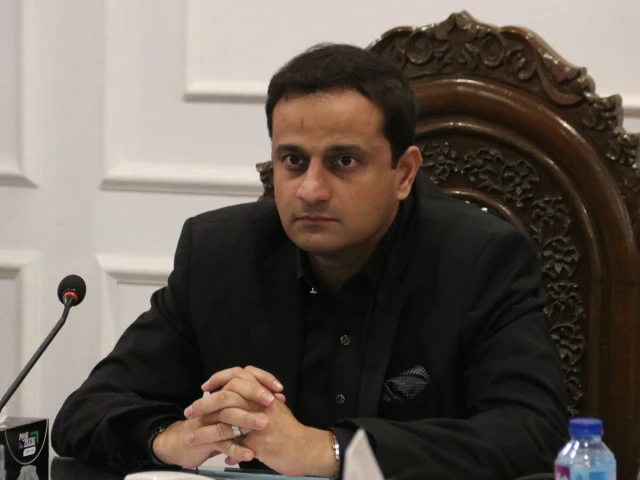
Karachi Mayor Murtaza Wahab. Photo: File
KARACHI:
Jamaat-e-Islami (JI) Karachi Ameer Monem Zafar on Tuesday urged Pakistan Tehreek-e-Insaf (PTI) Sindh President Haleem Adil Sheikh to discuss moving a no-confidence motion against the ‘imposed mayor’ of Karachi, as well as the alleged incompetence and corruption of the Pakistan People’s Party-led (PPP) government.
The JI delegation, including Karachi Deputy Ameer and Karachi Metropolitan Corporation (KMC) Council Leader of Opposition Saifuddin Advocate, met Sheikh at his residence to seek PTI’s support for the no-confidence motion against Mayor Murtaza Wahab.
During the meeting, both sides reached a consensus in principle on the need to remove the mayor through a vote of no confidence.
Sheikh, on behalf of his party, assured full cooperation to JI on the issue and agreed that a comprehensive strategy would soon be formulated to ensure its success.
Other PTI leaders present at the meeting included Senior Vice President of Sindh Raja Azhar; Karachi President, Fahim Khan; General Secretary, Arsalan Khalid; parliamentary leader of the KMC, Mubashir Hafiz-ul-Haq; and Vice Chairman, Jinnah Town, Hamid Nawaz Khan.
Read more: No-confidence motion against Karachi’s mayor gathers pace
The participants strongly condemned the arrest of political workers and registration of terror cases against activists of JI and PTI in Karachi. They said such actions had further increased public resentment against the PPP-led Sindh government, adding that political struggle could not be suppressed through coercive tactics for long.
The meeting also discussed widespread corruption in the Sindh government, KMC and other institutions in Karachi, as well as the city’s deteriorating civic conditions.
The leaders claimed that corruption had become the only functioning system across Sindh and Karachi. They further stated that incidents including the Gul Plaza tragedy and recurring fire outbreaks had exposed the incompetence of the provincial government.
According to the leaders, citizens of Karachi continued to face acute water shortages, power outages and poor road conditions.
Long-delayed development projects remained incomplete, exacerbating public problems. Traffic jams, dump truck accidents, increasing crime and fatalities caused by falling into open manholes and drains have become routine occurrences in the city.
They said that the PPP and the Muttahida Qaumi Movement-Pakistan were trying to divert public attention through political maneuvering but, said the public was no longer willing to be misled.


