
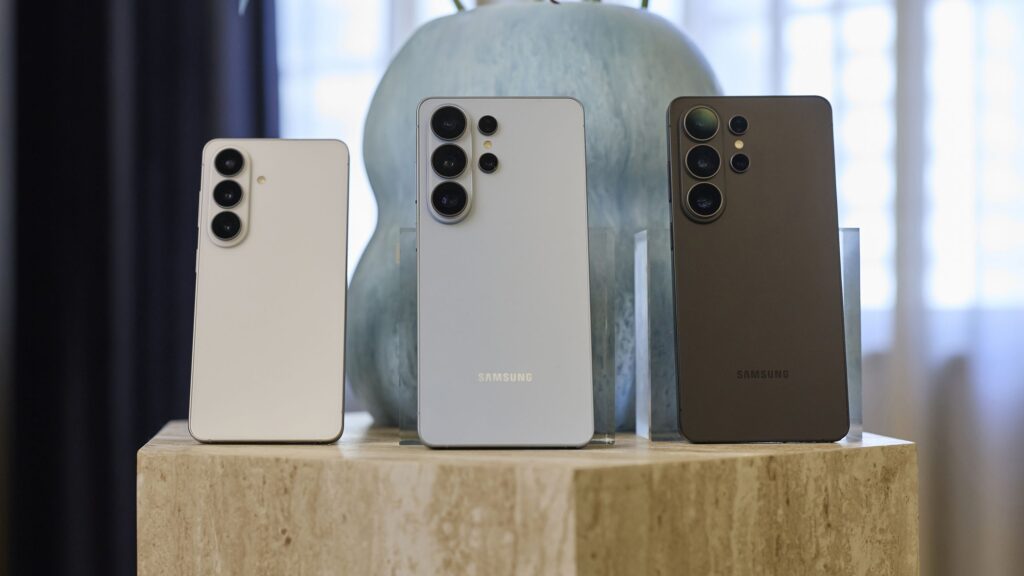
- Samsung explains why the S26 series does not have silicon carbon batteries
- The technique has not yet passed its “very strict validation standards”
- But Samsung added that “we’re getting it ready” for future phones
While Samsung’s flagship phones are still among the best on the market, their batteries increasingly leave something to be desired – and that hasn’t changed with the Samsung Galaxy S26 series, where Samsung makes minimal changes to their capabilities or technologies.
While some rivals such as OnePlus and Xiaomi have moved to silicon carbon batteries, which have higher energy densities, Samsung has once again stuck with traditional lithium-ion cells for its new S26 series. However, it sounds like Samsung is working on a switch in the not-too-distant future.
Speaking at a roundtable ahead of its Galaxy Unpacked 2026 event, Sung-Hoon Moon (Executive VP and Head of Smartphone R&D team) acknowledged in response to a question that when it comes to batteries, the company may have been “a bit uninnovative on that front.”
However, there are solid reasons for this. It seems silicon-carbon batteries aren’t quite ready for prime-time on a flagship phone on Samsung’s scale, with Sung-Hoon Moon declaring they must pass the company’s “very strict validation standards.” In other words, silicon carbon batteries can’t quite do it yet.
Samsung added that the batteries should also produce significant gains in the real world. Sung-Hoon Moon said that the customer experience is still king and that “when we think that the silicon battery would also end up improving the customer experience, then we will consider that possibility as well.”
While Samsung doubts these batteries would make a big enough difference to our smartphone experience right now, it certainly doesn’t rule them out either.
“So for the silicon battery, we’re getting it ready,” Sung-Hoon Moon added. This means Samsung is working to join the likes of OnePlus and Xiaomi with silicon-carbon battery technology, but it was still too early for the S26 series. And to be fair, there are a few reasons why this is understandable.
Silicon carbon batteries have their disadvantages
Look at
Silicon carbon batteries are not without their faults. First, they tend to degrade faster than lithium-ion – so while they may start out with a higher capacity, they can wear out much faster.
They also extend beyond lithium-ion batteries, which can pose a hazard in phones. This is probably something Samsung is more concerned about than most, given that problems with the Samsung Galaxy Note 7 caused fires and a global recall in 2016.
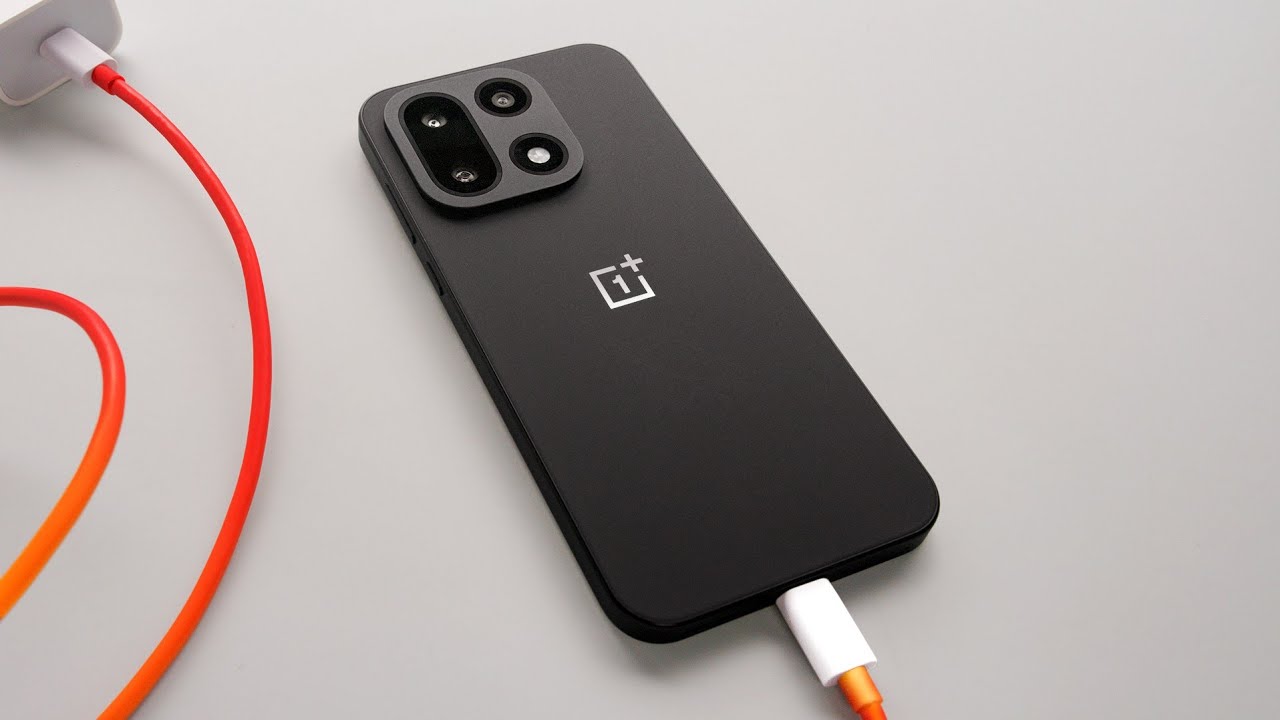
Of course, the likes of the OnePlus 15, Xiaomi 17 Ultra and other phones have high-capacity silicon carbon batteries, and we’ve yet to hear reports of major issues with them. OnePlus also claims that the OnePlus 15, for example, can retain 80% of its original capacity after four years.
Still, while it appears Samsung is being overly cautious, the lack of long-term, large-scale safety data is likely why the phone giant — along with Apple and Google — has yet to take the plunge, even with its new S26 series. But at least we now know that the company isn’t completely ignoring this promising technology.
Follow TechRadar on Google News and add us as a preferred source to get our expert news, reviews and opinions in your feeds. Be sure to click the Follow button!
And of course you can too follow TechRadar on TikTok for news, reviews, video unboxings, and get regular updates from us on WhatsApp also.


