
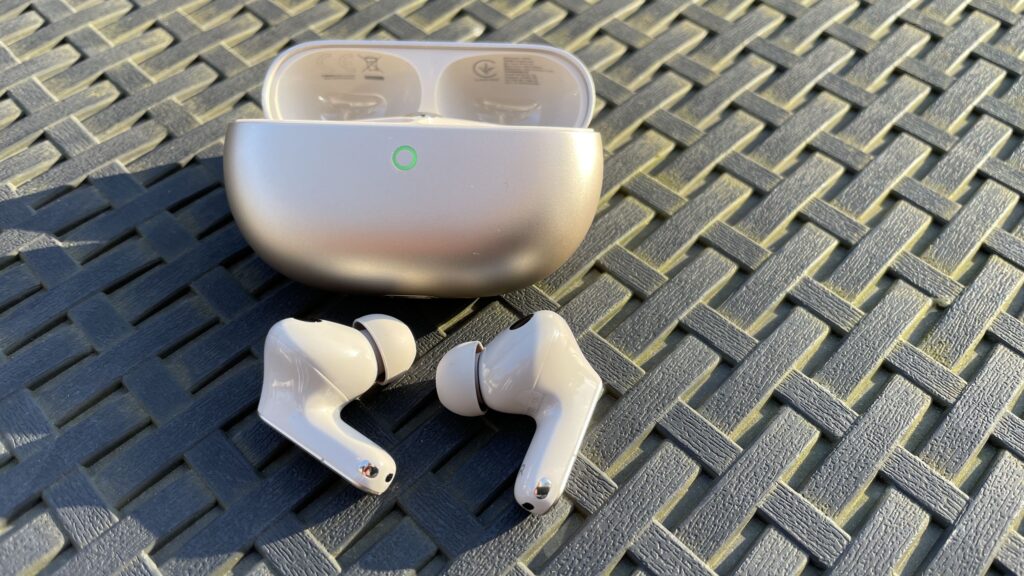
- FreeBuds Pro 5 has landed, billed as Huawei’s ‘best ANC ever’
- 10% less; 6% lighter; Brand new acoustic system with two drivers
- …and after four days with them, I like them a lot for £179 (global pricing TBC)
After a 16-month hiatus – Huawei removed its FreeBuds Pro 4 back in November 2024 – the brand is back with the Huawei FreeBuds Pro 5.
It’s too early to give a full verdict, but my early rating should come as welcome news to the company, whose Pro-suffixed lineup dates back to September 2020 with the first Huawei FreeBuds Pro (to be followed by the FreeBuds Pro 2 in summer 2022 and the FreeBuds Pro 3 in late 2024) but which has so far surpassed four stars, but has so far surpassed one rating.
My sense is that this is about to change.
Huawei FreeBuds Pro 5: what you need to know
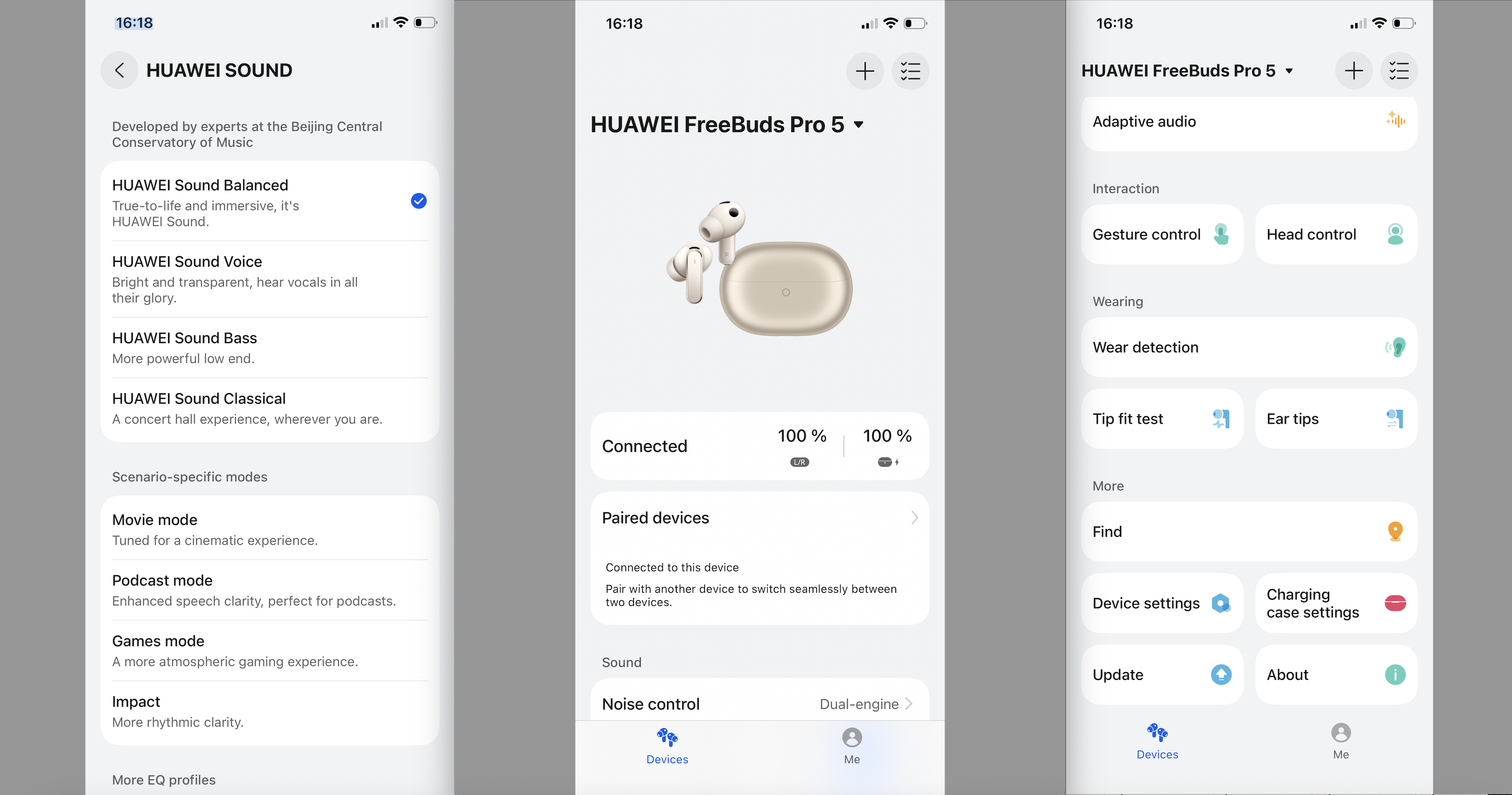
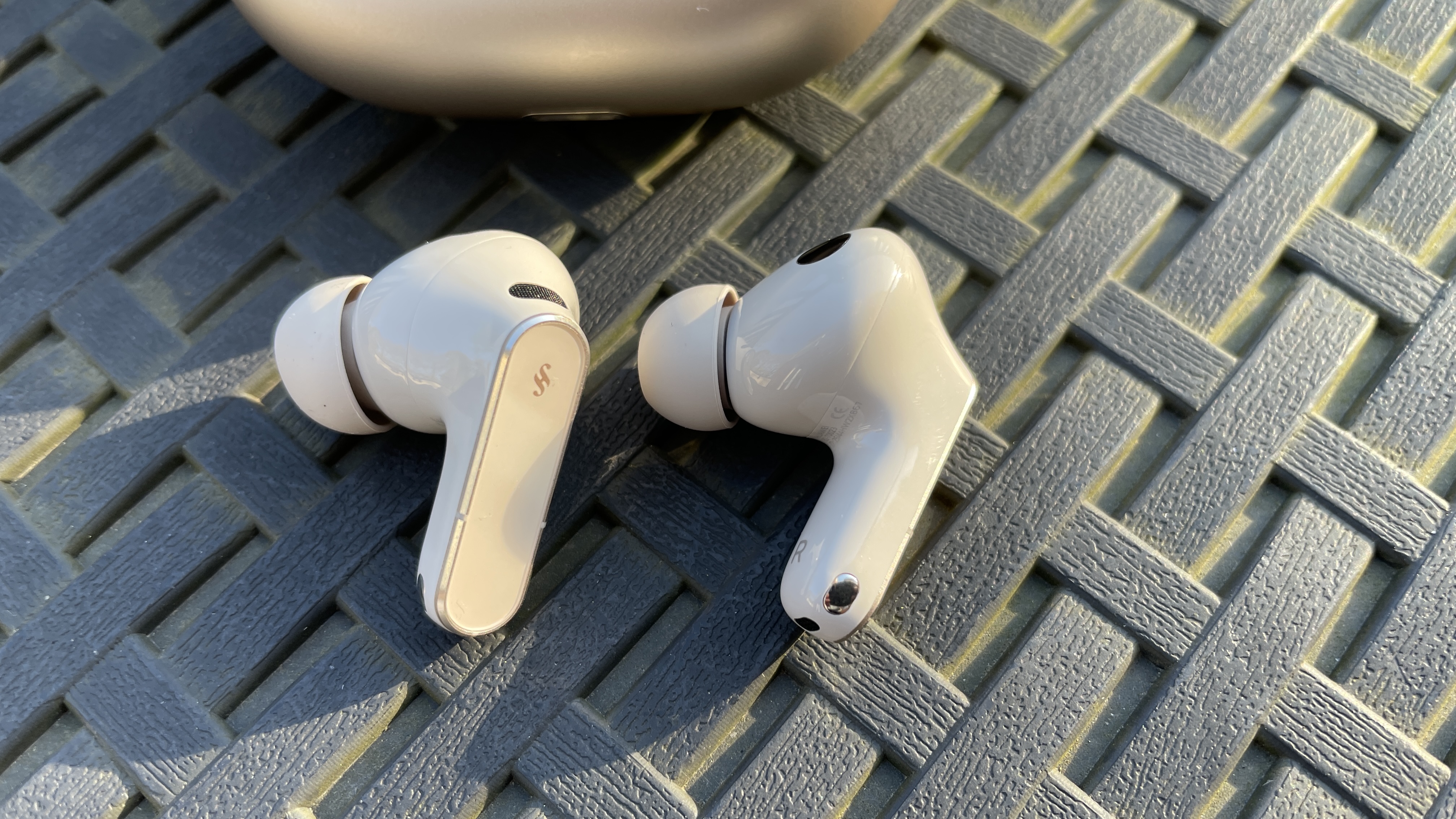
So some important information. There’s a new “diamond-etched star oval” on the bar (or stem) that has a touch sensor, but you can also squeeze the stems and swipe up or down on internal the edge of the stems to control the volume. Pinch, press or press-and-hold gesture commands can be adjusted and tailored in the new Huawei Audio Connect app, which I found both smart and intuitive, with easy menu access to quickly find what you want to adjust.
Huawei also tells me that the new internal antenna provides a 38% improvement in Bluetooth range and is twice as good at removing Bluetooth interference. I have yet to test them in a truly challenging or built-up area, but given what I’ve heard so far, I’m inclined to believe the claim.
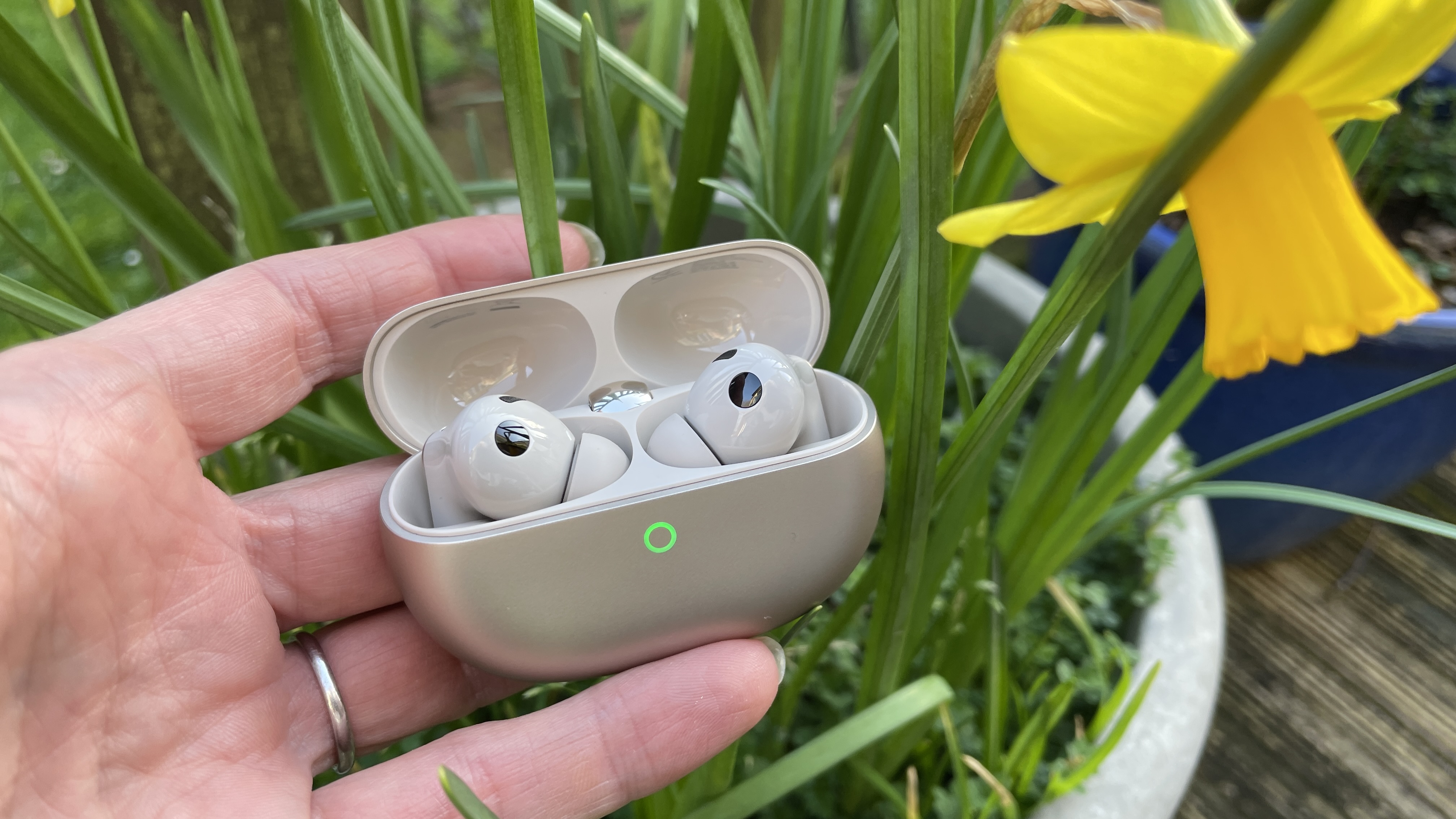
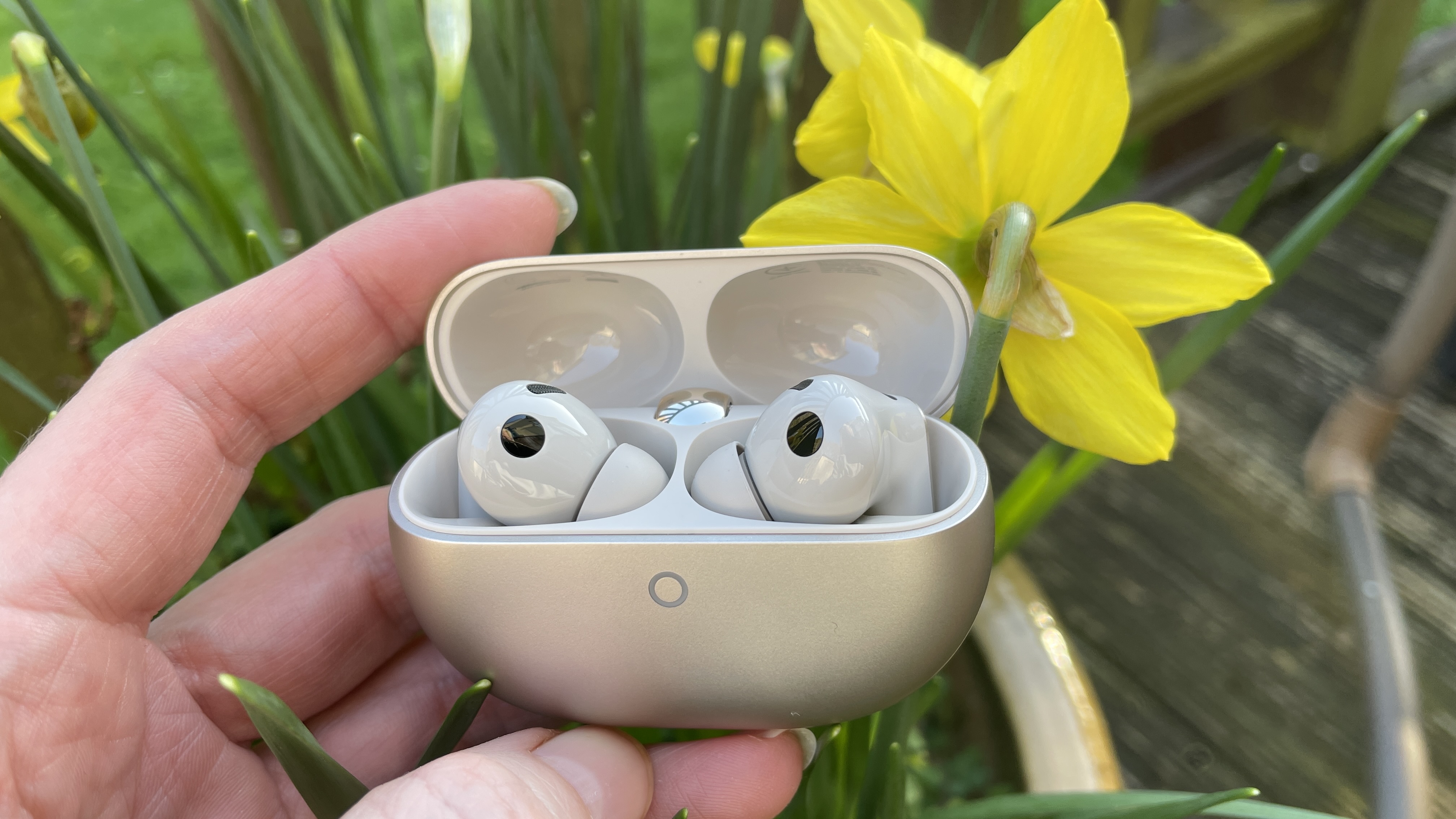
Your color options are white, grey, a blue vegan leather finish and sand (my set) and the slim case is a real highlight. It closes with strong magnets and has a halo ring light on the front that can glow red, green or white to tell you about battery life, pairing status and so on.
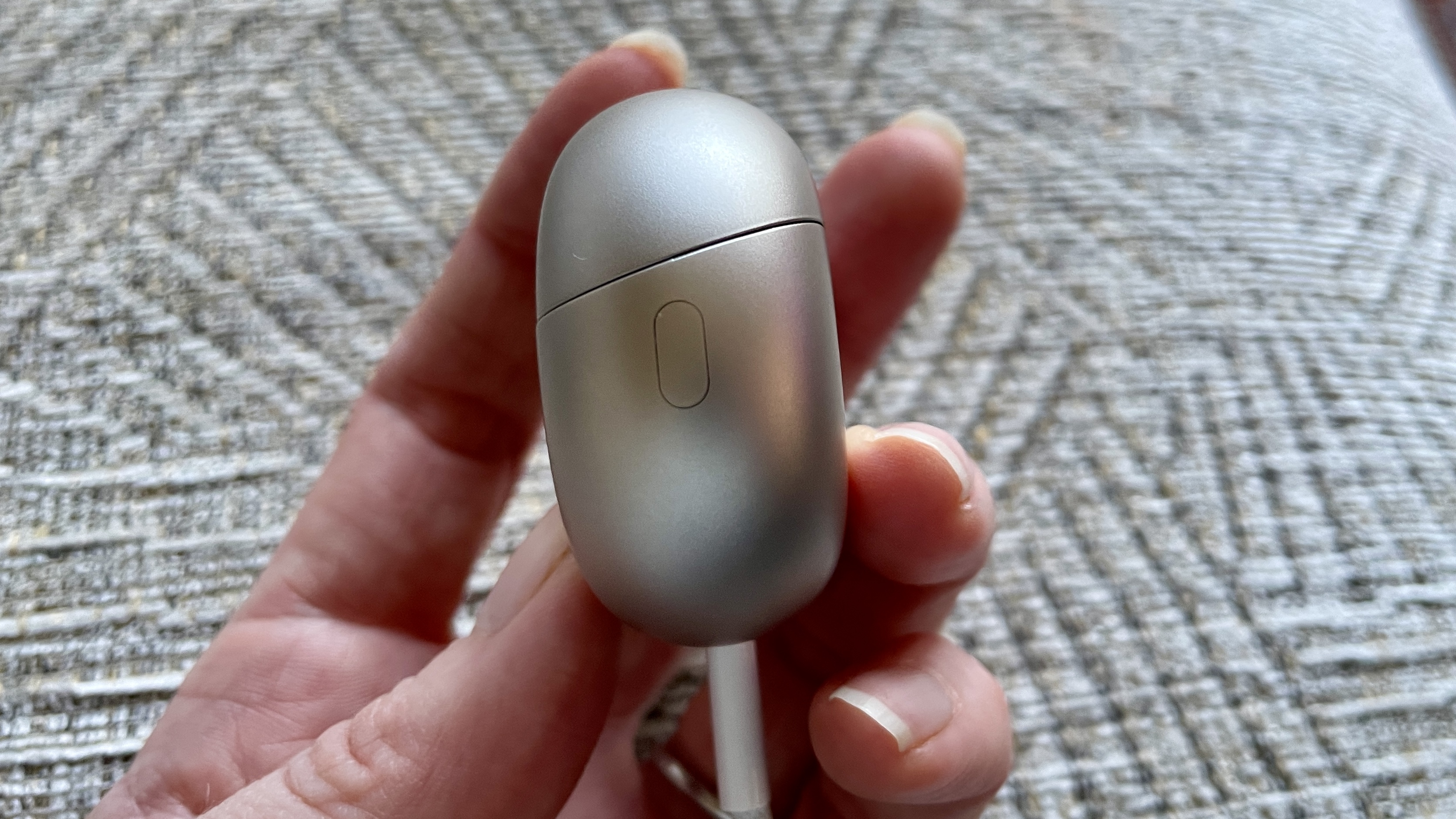
One thing about pairing: There is a small button on the right side of the case when you look at the halo light that you have to press for the first pairing. However, once I consulted the quick start guide and the app to discover this, the connection to both Bluetooth and the companion app never wavered.
The earpieces are, Huawei says, 10% smaller, 6% lighter and “comfort-engineered” using more than 10,000 ear profiles. I can confirm that they feel smaller over the antitragus and are not a fatiguing fit, even for my smaller ears.
Despite their smaller, lighter dimensions, the sound output end is reportedly bigger thanks to an all-new dual-driver acoustic system. It uses a redesigned 6mm planar magnetic tweeter and a circuit woofer that boasts 45% less distortion and promotes independent airflow between the drivers in the headshell. This, Huawei says, means clearer and more accurate sound across the frequencies.
If you use a Huawei phone (I don’t), the company tells me you’ll get access to 24-bit/48kHz audio, which is certainly high-res, but even without one, the brand claims you’ll still get close to 16-bit/44.1kHz CD audio quality.
Something Huawei calls “unlimited main track spatial audio” is also listed as onboard, which essentially means device-agnostic immersive audio that doesn’t require a Huawei source device. At the time of writing (which is ahead of their launch), I can’t find this in the app, but maybe it’s incoming.
Better noise reduction, excellent battery life? Yes, and yes
You get three microphones per bud in the FreeBuds Pro 5 to help with what Huawei calls “the world’s first earphones with a Dual-Engine ANC architecture”. Basically, the dual-driver system works in unison, but as independent noise-cancelling engines, with the low-frequency driver tackling persistent rumble while the high-frequency driver removes the sudden, sharp sounds.
A new MIMO AI Sensing model is at the helm and processes noise data up to 400,000 times per second. And the result? That’s a big claim: Huawei says the FreeBuds Pro 5’s noise reduction has improved by up to 220% compared to the previous generation.
Specifically, because the effectiveness varies depending on the environment (ie the specific noise the algorithm and audio architecture is trying to stop), I’ve been told your upgrades are up to 204% in the gym or 220% in an airplane cabin. ANC can also reach higher frequencies than before, at up to 6kHz (up from 4kHz in the older model).
I haven’t taken a flight with them yet, but I have to tell you that based on my short time with the FreeBuds Pro 5, the ANC is very good. I install it and the low noises from my home (neighbors, cars outside, the news headlines that we follow because my partner is also a journalist) simply melt away. Is it AirPods Pro 3-level good? I need more time… but like I said, it’s good!
One last thing about ANC before I move on to endurance: in addition to your usual “Noise canceling”, “Awareness” and “Off” toggles in the app, implementing noise cancellation allows you to choose between ‘Dual-engine’ (the solution described above, which I like a lot), ‘Pleasant’ (for places with a little noise), ‘General noise’ (your regular noises) (yours). Within Awareness you can also choose ‘Standard’, ‘Voice awareness’ and ‘Adaptive awareness’. And refreshingly, I found that none of these made my music bland or filtered too much ambient noise into my poor shell-likes, but allowed me to hear my surroundings nicely.
Okay, so what about battery life? It’s also good on paper, at nine hours (without ANC inserted) or 38 hours including the case. While initially comparable to the AirPods Pro 3, which offer eight hours with ANC on or 6.5 hours with extra bells and whistles like the heart rate sensor on, the Apple product only offers 24 hours with the case.
Obviously, I need to test these claims, but as someone who takes long train journeys yet has a very poor gadget charging game, I appreciate extra endurance in my listening gear.
Other perks
In no particular order, also on the menu here are multipoint for two units, eight EQ presets to prioritize certain frequencies such as ‘Voice’, or for specific use cases, including ‘Movie mode’ (all developed by experts at the Beijing Central Conservatory of Music, no less), or the option to create your own using a 10-band EQ tab.
Conversation awareness is here too (albeit somewhat hidden behind the ‘adaptive audio’ tab, next to Adaptive volume), which is similar to Sony’s Speak to Chat, and while I found it didn’t quite turn down the volume on my music quite as much as the recent Sony WF-1000XM6 rival, I still like it.
You also get the ability to answer and reject calls by nodding or shaking your head, wear detection to pause playback if you remove a bud and resume it when you put it back in, an eartip fit test and a toggle to optimize alignment if you’re using memory foam tips (which is interesting as only silicone options are offered, although you only have four presets in total).
There’s also a nice ‘Find’ feature that emits a sound from any knob you’ve dropped under the couch to help you find it, a low-latency switch for gaming, an option to get ANC in just one earbud, and finally the choice to turn the case on or off.
It may seem silly, but the case tones are amazing! And I stand by that statement. When switched on you can choose from a range of tones such as ‘Fountain’, ‘Pixies’ and ‘Dewdrop’ but ‘Whistle’ is my favourite. It’s one to turn off if you’re secretly trying to get some music in your ear to make the lectures go a little faster, sure, but it lifted my spirits every time I opened the little case and got a cheery whistle for my troubles.
And the sound?
There’s no hearing test here to create personalized sound profiles or boost your hearing, but I found the sound punchy and confident, while being clear, neutral and capable of uncovering detail across frequencies other buds for this money struggle to achieve.
Bad Bunny’s BAILE INVINCIBLE was expansive but showcased female background vocals in my right ear rarely polished and celebrated by buds at this level. The trumpets sound textured and real, and the timing is razor sharp, with the leading edges of notes all given due diligence in a zealous mix. It was a similar story with Perfume Genius’ Honorwith the rhythmic percussion faithfully underpinning Michael Alden Hadreas’ central and emotional vocals, while high-pitched, playful glockenspiel tones pipe up through the treble.
At £179 (which is around $240 or AU$340, although these are guesses as official prices for the US and Australia have yet to be announced) the sound-per-pound value is strong for me.
Check back for a full review soon though…
The best wireless earphones for all budgets
Follow TechRadar on Google News and add us as a preferred source to get our expert news, reviews and opinions in your feeds. Be sure to click the Follow button!
And of course you can also follow TechRadar on YouTube and TikTok for news, reviews, video unboxings, and get regular updates from us on WhatsApp also.


