
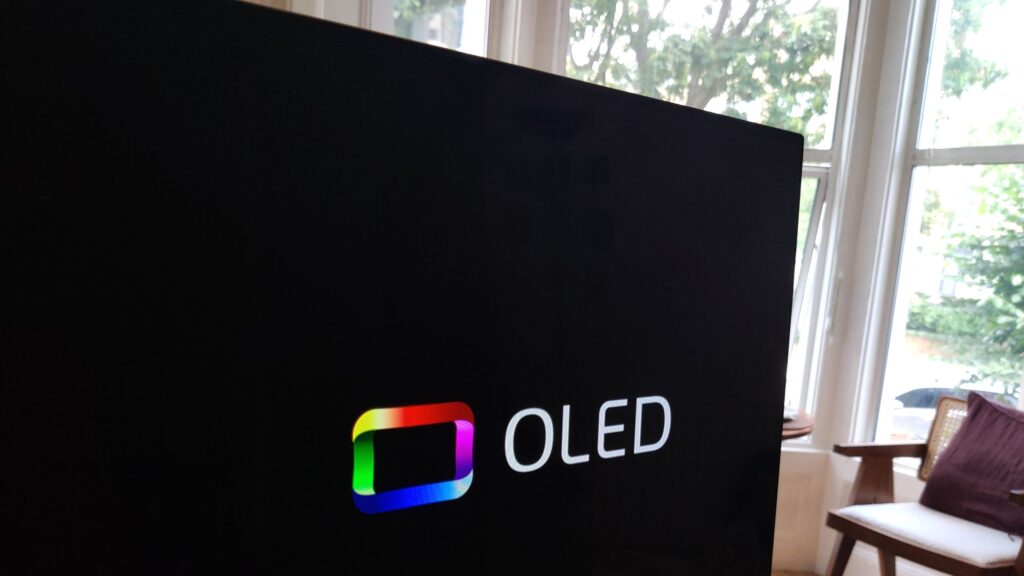
- A company is preparing to manufacture blue phosphor OLED pixels
- Blue PHOLED technology would be a big efficiency improvement for OLED TVs
- Other companies have pursued the same technology
One of the most sought-after technologies in TV (well, for a certain level of TV geek) may finally be on its way to your front room: blue phosphor OLED, or blue PHOLED for short. This has been talked about for a long time – we reported progress back in 2023 – but for several years now it’s been a promise rather than a product. However, there are good signs that this will change.
According to trade site The Elec, another major in PHOLED technology is close to mass production. South Korean OLED maker Lordin says it has already secured production facilities for its own take on PHOLED technology, which it calls ZRIET.
That means we could be on the verge of brighter, more energy-efficient, longer-lasting OLED TVs, because Lordin isn’t alone. Last year, LG Display announced that it had reached the “commercialization level” of a blue PHOLED panel, and Samsung is also very interested in PHOLED.
Pixels are blue, da ba dee da ba di
PHOLEDs use phosphorescent light emitters rather than fluorescent ones, and these emitters are much more efficient: where fluorescent emitters deliver 25% efficiency (meaning that about 25% of the light generated by a pixel actually escapes the pixel to reach your eyes), phosphorescent ones that use up to 100% can potentially deliver up to 100%.
PHOLED has been used for red and green pixels for years, but it has proven too difficult to produce a long-lasting material for blue pixels, which is why we have been following news of the development for a long time.
Finally achieving blue PHOLED in OLED displays will mean much brighter and more energy efficient pixels – giving you a better display without increasing the heat levels that affect pixel life.
Today’s OLEDs are often capable of delivering much more brightness than they are calibrated for, but increasing the brightness would cause them to get too hot and reduce their lifespan quite considerably.
Lordin is not the only company investing in PHOLED. Until now, the main driver of the technology has been Universal Display Corporation, which supplies key components to LG Display and Samsung Display, but Lordin has come up with an alternative structure that it says makes blue PHOLEDs much easier to manufacture and gives TV makers an alternative to UDC’s technology.
According to Lordin CEO Oh Young-hyun, the company’s technology “structurally improves the blue emitter’s efficiency, lifetime and color purity.”
Of course, it’s not just TVs that will benefit from blue PHOLED – any OLED screen could do with being more efficient and longer lasting. But it’s TVs that have struggled the most with brightness and longevity, because people replace them more slowly than phones and most other technology.
When will we actually see this technology in TVs we can buy? Probably not this year – but the coming-soon timescale will certainly be shorter. If Lordin’s technology lives up to its promise, it might even beat newer technologies such as QD-EL, which one company claims could arrive as soon as 2029.
The best TVs for all budgets
Follow TechRadar on Google News and add us as a preferred source to get our expert news, reviews and opinions in your feeds. Be sure to click the Follow button!
And of course you can also follow TechRadar on YouTube and TikTok for news, reviews, video unboxings, and get regular updates from us on WhatsApp also.


