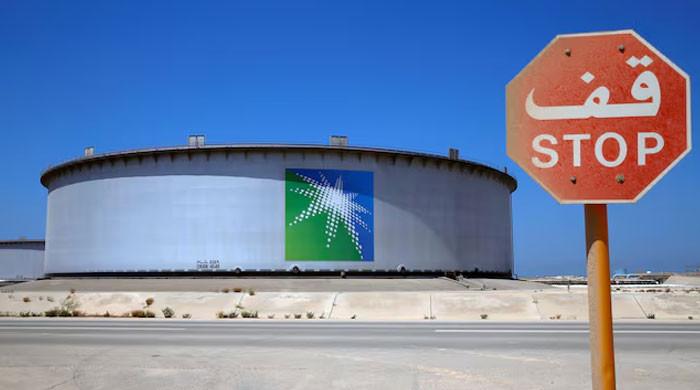
- Ras Tanura refinery hit by drone, source says.
- Major Israeli gas fields, including Leviathan, offline.
- Most of the production in Iraqi Kurdistan is shut down as a security measure.
Saudi Arabia shut down its largest domestic oil refinery on Monday after a drone attack, a source said, as Israeli and US strikes and Iranian retaliation forced the shutdown of oil and gas facilities across the Middle East.
A wave of attacks on the region stretched into a third day, resulting in a preemptive suspension of the majority of oil production in Iraqi Kurdistan and at several major Israeli gas fields, hampering exports to Egypt.
State oil giant Saudi Aramco’s 550,000 barrel per day (bpd) Ras Tanura refinery, which was shut as a precaution, is part of an energy complex on the kingdom’s Gulf coast that also serves as a critical export terminal for Saudi crude.
In Iraqi Kurdistan, which exported 200,000 barrels of oil per day (bpd) via pipeline to Turkey’s Ceyhan port in February, companies including DNO, Gulf Keystone Petroleum, Dana Gas and HKN Energy have halted production at their fields as a precaution, with no injuries reported.
Offshore Israel, the giant Chevron-operated Leviathan gas field was shut down on Saturday, according to sources, while Energean shut down its production vessel serving smaller gas fields.
Drones intercepted in Saudi Arabia
The situation at Aramco’s Ras Tanura refinery is under control, the source said. Two drones were intercepted at the facility, with debris causing a limited fire, the Saudi Defense Ministry spokesman said on Al Arabiya TV, adding that there were no injuries.
Aramco did not immediately respond to an emailed request for comment.
Some of the refinery’s units were shut down as a precaution, but the supply of oil and its derivatives to local markets was not affected, Saudi state news agency SPA said, citing an unnamed energy ministry official.
Still, its closure is likely to add to supply anxiety as shipping through the Strait of Hormuz, through which about a fifth of global oil consumption flows, is almost at a standstill after vessels were attacked around it on Sunday. Brent crude oil futures LCOc1 rose about 10% on Monday to above $82 a barrel. barrel.
Attacks are seen as significant escalation
“The attack on Saudi Arabia’s Ras Tanura refinery marks a significant escalation, with Gulf energy infrastructure now squarely in Iran’s sights,” said Torbjorn Soltvedt, principal Middle East analyst at risk intelligence firm Verisk Maplecroft.
“The attack is also likely to move Saudi Arabia and neighboring Gulf states closer to joining US and Israeli military operations against Iran.”
Saudi Arabia’s heavily fortified energy facilities have been targeted in the past, most notably in September 2019, when drone and missile attacks on the Abqaiq and Khurais plants temporarily knocked out more than half of the kingdom’s crude output.
Ras Tanura was attacked by Yemen’s Iran-linked Houthis in 2021.