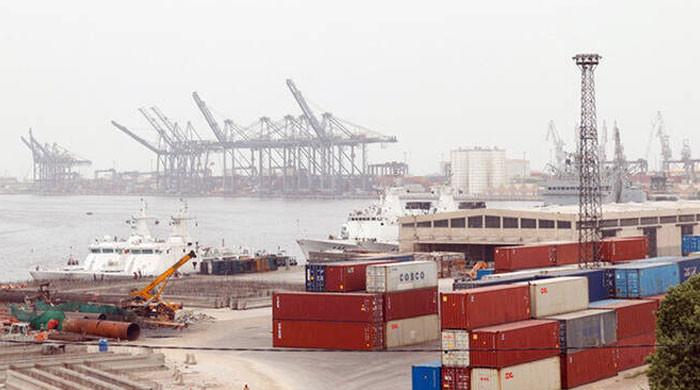
- Official data shows increasing strain on the external account balance.
- Imports increase by 8.1% to $45.5 billion. in the period July-February FY26.
- Economists warn that the deficit could squeeze the rupee and reserves.
ISLAMABAD: Pakistan’s trade deficit widened 25% year-on-year to reach $25 billion during the first eight months of the current fiscal year as imports remained more than double the value of exports.
The latest official figures released on Monday underlined increasing pressure on the country’s external account, signaling renewed stress on its balance of payments position, The news reported.
Figures released by the Pakistan Bureau of Statistics showed that imports during July-February FY26 rose 8.1% to $45.5 billion, while exports fell 7.3% to $20.46 billion. USD, which left the import bill more than double the country’s merchandise sales abroad.
The gap continued to widen in February 2026, with the monthly trade deficit growing by 4.6% year-on-year to 2.98 billion. Exports fell 8.76% from a year earlier to $2.27 billion, while imports fell 1.6% to $5.25 billion.
On a month-on-month basis, the slowdown was sharper. Exports in February fell 25.6% from January’s 3.05 billion. USD, while imports fell 9.5% from 5.8 billion.
The service sector offered limited relief. The deficit on trade in services increased by 14% to DKK 2.07 billion. USD in Jul-Jan FY26 compared to 1.82 bn. USD a year earlier, although exports rose 18.78% to 5.66 billion. Service imports rose 17.5% to DKK 7.7 billion. USD in the same period.
In January alone, the service deficit rose 5.1% year-over-year to $304.8 million. Service exports rose 31% to DKK 885 million. USD, but imports exceeded by 1.189 billion. USD, an increase of 23.3%.
In the last financial year (FY25), the deficit on trade in services narrowed by 15.8% to 2.62 billion. USD, driven by a 9.2% increase in exports of services to 8.4 billion. USD, compared to a modest 2% increase in imports to 11 billion.
Economists say the widening goods deficit, driven by muted export momentum and robust import demand, could strain foreign reserves and keep pressure on the rupee unless export competitiveness improves or import compression deepens.