
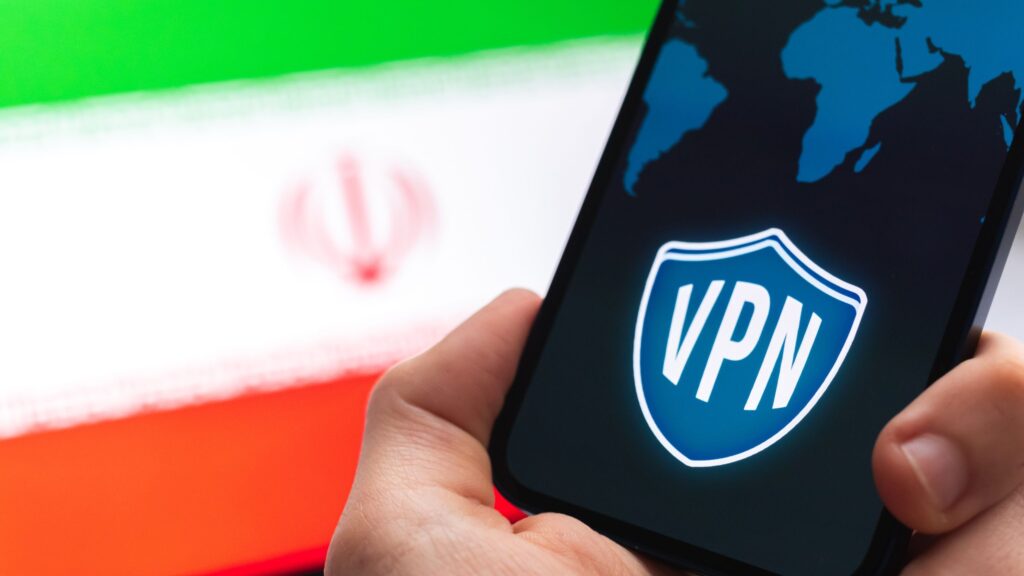
- Iran’s authorities issue warnings to residents who defy online blocks
- Connecting to the Internet with a VPN “will be treated as a crime,” they warn
- Iran’s internet connection has remained at 1% since February 28
Iranians trying to access the global internet face the threat of prosecution as an “almost complete” digital blackout enters its second week.
Local authorities and telecom operators are reportedly issuing direct alerts via SMS to citizens who have used VPNs to circumvent ongoing restrictions, according to reporting by France24.
The notices warn that repeated attempts to connect to the international Internet will result in blocks and referrals to legal authorities.
This escalation suggests that even those using satellite hardware may suffer Starlink to bypass the national gateway is now at significant risk of arrest.
Police in Iran have sent text messages warning citizens that simply connecting to the Internet will be treated as a crime and prosecuted. Imagine a regime so authoritarian that it shuts down the internet in a time of conflict, and if someone manages to get online through tools… pic.twitter.com/tRwvVmOi9hMarch 4, 2026
Texas-based digital rights group Filterwatch confirmed the development, noting that citizens who evade the communications blackout could face immediate legal action.
Iranian cyber security expert Azam Jangravi described the move as a desperate attempt by the state to control the flow of information during a period of intense regional conflict.
Writing on X, Jangravi said: “The goal is clear: they shut down the internet so that only their narrative can be heard.”
Iran’s internet blackout hits seven days
Internet watchdog groups, including Cloudflare Radar and NetBlocks confirm that national connectivity has flattened at just 1% of regular levels. These widespread restrictions began on Saturday, February 28, following reports of military attacks in the region.
While it remains unclear whether the initial disruptions were caused by physical damage to infrastructure from airstrikes, the targeted SMS alerts indicate that authorities are trying to limit access to the global internet.
Iran has a long history of cutting off online communications during times of political unrest. According to Surfshark data, Iran has restricted the internet 63 times since 2015.
The current shutdown is the most severe since the 12-day war last June and the anti-government protests in January.
Surfshark CTO Donatas Budvytis called the total shutdown a “brutal violation of human rights,” noting that it throws 90 million people into digital isolation at a time when access to information is a matter of physical security.
Follow TechRadar on Google News and add us as a preferred source to get our expert news, reviews and opinions in your feeds. Be sure to click the Follow button!


