
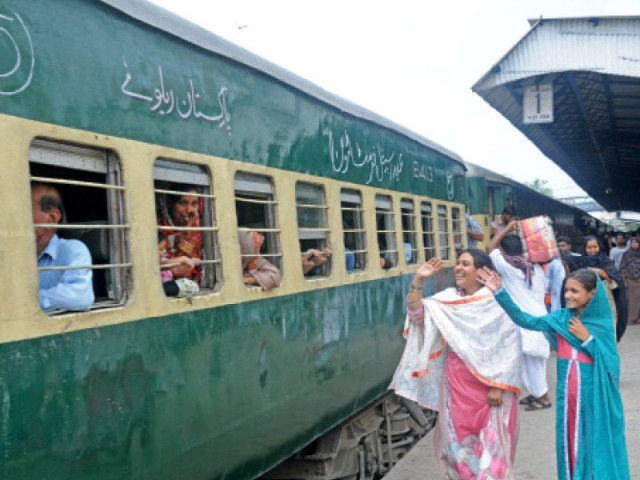
Fare adjustments will come into effect from March 9 for all freight and passenger services
Pakistan Railways on Saturday announced fare hikes for both passenger and freight trains following an increase in diesel prices.
A day earlier, the government sharply hiked diesel and petrol prices by Rs 55 per litre, or 20 percent – marking the first of a series of similar hikes expected in the coming days due to the ongoing conflict between the US and Israel and Iran, which has disrupted supply chains and pushed crude oil prices to a two-year high.
After 20 percent increase in diesel prices, train fares increase
Pakistan Railways’ decision to increase economy class fares by 5 percent
The fares of А C класс have been increased by 10 percent
Freight vehicle fares have been increased by 20 percent
The increase will be applied from March 9
— Pakistan Railways (@PakrailPK) March 7, 2026
According to a Pakistan Railways spokesperson, economy class fares will increase by 5 percent, freight train fares will increase by 20 percent, while air-conditioned classes will see a 10 percent increase.
“Staff train operating cost due to the diesel price hike will be borne by Pakistan Railways itself,” the spokesperson added.
The price adjustments will come into effect from March 9 for all cargo and passenger services, but will not apply to bookings already made, the spokesman said.
“The rise in train fares was inevitable after the rise in diesel prices,” he added.
A sharp increase of Rs 55 per liter in oil prices has exacerbated the cost of living, with residents reporting higher transport fares and rising prices of daily necessities.
People also reported disagreements at petrol pumps where attendants refused to dispense less than one liter worth of fuel. According to residents, many customers asked for petrol worth Rs150 or Rs200, but the pump staff refused, saying the nozzle speed is fixed and fuel is either dispensed in smaller or larger quantities, leading to frequent arguments.
The rise in petrol prices also pushed up the price of fruits, vegetables and other daily necessities. Shopkeepers said the transport cost of bringing fruits, vegetables and goods had earlier been around Rs1,000 per trip but had now risen to between Rs2,500 and Rs3,000.
Drivers who provide pick-and-drop services to school children have also hiked their fares and residents say the entire burden has been shifted to the public.
Read more: The government throws a ‘fuel bomb’
Citizens said the price hike had made life increasingly difficult, adding that they were struggling to choose between buying fuel and meeting basic household needs.
speaks to Express Pakinomistresidents including Amir, Babar, Intikhab, Zahoor and Rashid said wages were already low while inflation continued to rise.
Amir said that he used to buy Rs 1,000 worth of petrol which lasted about 15 days, but now the same amount would not last even four days.
Rashid, who works in loading and unloading, said work was already scarce and questioned how much more people could afford to pay in transport charges.


