
Cabinet also approves 50% work from home policy for government offices in a bid to reduce fuel consumption
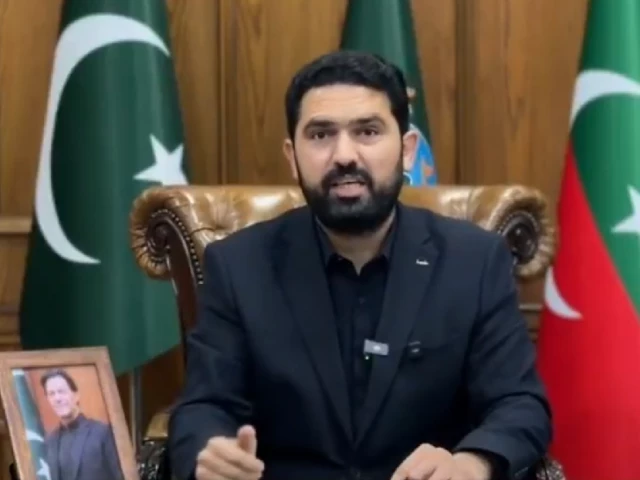
Khyber-Pakhtunkhwa Chief Minister Sohail Afridi addresses a video message on January 27, 2026. SCREENGRAB
The Khyber-Pakhtunkhwa (KP) government on Monday introduced a two-month fuel saving plan that cuts fuel quotas for official vehicles by 25% amid the global energy crisis triggered by the US-Israel conflict involving Iran.
The move came as part of broader national efforts to manage fuel resources prudently amid reports of supply chain strains, rising global crude prices and regional tensions affecting imports through key routes.
Federal authorities maintained that domestic oil stocks remain sufficient for current needs, while calling for measures to prevent hoarding and promote conservation at the provincial level.
According to a Special Assistant to the Chief Minister for Information and Public Relations Shafi Jan, the provincial government approved a “Fuel Conservation and Responsible Management Initiative” aimed at reducing fuel consumption and promoting efficient use of government resources.
“As per the plan, fuel saving measures will be implemented for an initial period of two months following directives from Chief Minister Sohail Afridi,” he said.
کپی کابینتینہ فیول کنزرویشنہ اور رسبانسبل گورننس انیشی ایتو ةہ منظی pic.twitter.com/Y12gtAyWkC
— Shafi Jan (@ShafiJanPTI) March 9, 2026
He added that as part of the initiative, the cabinet decided that meetings in government departments would be conducted exclusively through virtual platforms. It also approved a 25% reduction in fuel quotas for official vehicles.
Jan said that with this decision, the total reduction in fuel quotas would reach 50%, as a 25% cut had already been in place since the COVID-19 period.
However, police, emergency services and other law enforcement agencies will be exempt from the fuel reduction policy.
He said the Cabinet also approved the introduction of a 50% work-at-home policy for government offices in a bid to reduce fuel consumption.
In addition, the government decided to significantly limit the use of vehicles and helicopters under VIP protocol, while banning unnecessary official ceremonies and government dinners as part of wider austerity measures.
Read more: KP imposes fuel-saving measures due to supply concerns
Jan said the Cabinet had also proposed to keep educational institutions closed on Fridays to reduce fuel consumption, with virtual classes given priority.
He added that petrol pumps would be monitored daily and strict action would be taken against hoarding.
The provincial government will also ensure the availability of diesel to farmers and wheat harvest.
“The provincial government will implement fuel-saving and economic protection policies without placing an additional burden on the public,” Jan said.
*خیبرپختونخوا Cabinet meeting/9 मार्च 2026*
International situation in the context of important decisions
پیکی کابینتی نہی فیول کنزرویشنہ اور رسپانسبل گورننس انیشی یتو کہی من, کہیں بینہیں و بہیںِ عامہ شفیہ جان
The instructions of the Chief Minister of Khyber Pakhtunkhwa to save fuel for two months… pic.twitter.com/n52lASr21Z
— Shafi Jan (@ShafiJanPTI) March 9, 2026
Addressing the provincial cabinet meeting, CM Afridi said the authorities must take steps to protect the public from the financial burden created by rising fuel costs.
He stressed that in difficult economic conditions, rulers and state institutions should be the first to reduce their privileges, adding that reducing official protocol and public spending could help provide relief to the public.
He criticized the traditional approach of placing the burden of economic sacrifice on ordinary citizens.
“In Pakistan, the public is always targeted when sacrifices are demanded. This attitude needs to change,” CM Afridi said.
The chief minister also referred to policies during former prime minister Imran Khan’s tenure and said relief had been provided to the public and businesses despite the global COVID-19 pandemic.
Afridi said the provincial government would oppose any decision that puts additional financial pressure on citizens.
He also reviewed the Ehsaas Ramazan Dastarkhwan program and said that district administrations and members of the provincial assembly were running the initiative effectively.
The Chief Minister added that a large number of deserving people benefited from the initiative.
He directed the authorities to establish Ehsaas Mazdoor Shelters at the divisional headquarters for daily wage labourers.
The government sharply hiked diesel and petrol prices by Rs55 per litre, or 20%, on Friday – marking the first of a series of similar hikes expected in the coming days due to the ongoing conflict between the US and Israel and Iran, which has disrupted supply chains and pushed crude oil prices to a two-year high.
The increase in petrol prices was more than the increase in international markets, as the government chose to collect more money than required from motorcyclists and car owners to subsidize the use of diesel, mostly by public transport and the agricultural sector.
Read more: The government throws a ‘fuel bomb’
The sharp rise has exacerbated the cost of living, with residents reporting higher transport prices and rising prices of daily necessities.
People also reported disagreements at petrol pumps where attendants refused to dispense less than one liter worth of fuel. According to residents, many customers asked for petrol worth Rs150 or Rs200, but the pump staff refused, saying the nozzle speed is fixed and fuel is either dispensed in smaller or larger quantities, leading to frequent arguments.
The rise in petrol prices also pushed up the price of fruits, vegetables and other daily necessities. Shopkeepers said the transport cost of bringing fruits, vegetables and goods had earlier been around Rs1,000 per trip but had now risen to between Rs2,500 and Rs3,000.
Drivers who provide pick-and-drop services to school children have also hiked their fares and residents say the entire burden has been shifted to the public.


