- Bid underway to ensure safe passage through the Strait of Hormuz.
- Donald Trump wants nations to secure the Strait of Hormuz.
- Stock markets remain under pressure due to the war.
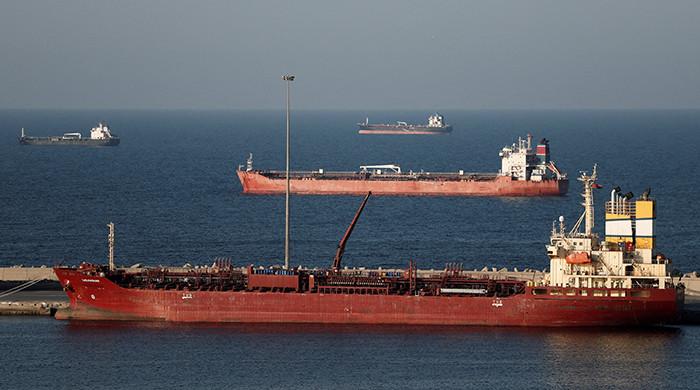
Oil prices hovered around $100 per barrel. barrel on Monday and stocks fluctuated as the Iran war moved into a third week, with neither side showing signs of backing down and diplomats trying to ensure safe passage for tankers through the crucial Strait of Hormuz.
Crude oil shot up in the opening minutes after the U.S. president said over the weekend that forces struck military targets on Kharg Island, a scrubby stretch of Gulf that handles nearly all of Iran’s oil exports.
He also warned that attacks could extend to energy infrastructure if Tehran disrupts transit through Hormuz, which has effectively been closed since US-Israeli operations began on February 28.
Iran’s Fars news agency reported shortly after that no oil infrastructure was damaged during the strikes.
Trump called on other countries to send warships to keep the waterway open, but offered no specifics or commitments from the US, saying he hoped China, France, Japan, South Korea and Britain would participate.
He wrote later Saturday in a Truth Social post: “The countries of the world that receive oil through the Strait of Hormuz need to take care of that passage and we will help – A LOT!
“This should always have been a team effort, and now it will be.”
However, Japan said on Monday it was “not currently considering issuing a maritime security operation”, while Australia announced it would not send any naval vessels to the region.
Trump said Tehran wanted a deal to end the fighting but was not prepared to make one on current terms, without providing further details.
Iranian Foreign Minister Abbas Araghchi said his country was not interested in talks with Washington.
“We don’t see any reason why we should talk to Americans because we talked to them when they decided to attack us,” he told CBS’ “Face The Nation” in an interview that aired Sunday.
“There is no good experience in talking to Americans,” adding that “we have never asked for a cease-fire and we have never even asked for negotiation”.
However, he said he was ready to talk to countries “who want to talk to us about the safe passage of their vessels”.
“I cannot name any country specifically, but we have been contacted by a number of countries” seeking such safe passage, he added.
Meanwhile, traders hoping for an early end to the conflict were left disappointed after Trump’s top economic adviser Kevin Hassett said the Pentagon estimated it could take up to six weeks, even though the operation was ahead of schedule.
Both of the main crude oil contracts advanced. Brent shot up about three percent to as high as $106.50 before getting the benefits, while West Texas Intermediate sat around $99.
And with growing concerns about a possible energy crisis that could hammer the global economy, equity markets remained under pressure.
Tokyo, Shanghai, Sydney, Seoul, Wellington, Manila and Jakarta were all down, although Hong Kong, Singapore and Taipei rose.
“Equities may welcome any sign that Hormuz can be reopened, but with further strikes still threatened and diplomacy still scattered, conviction is low,” said Charu Chanana at Saxo Markets.
Adding to economic worries were data showing on Friday that US gross domestic product grew 0.7% in the fourth quarter, much slower than the initial reading of 1.4%.
And delayed figures showed the Federal Reserve’s preferred inflation gauge fell to 2.8% in January, before energy prices edged higher.
“The developments over the weekend, while no more worrying than at the end of last week, do not provide any obvious pretext for a less pessimistic start to the new trading week,” warned National Australia Bank’s Ray Attrill.
This week also sees policy meetings at seven major central banks, including the Fed, the Bank of England and the European Central Bank.
While they are expected to keep a lid on interest rates, any comments on the impact of the war on their respective economies will be closely watched.