
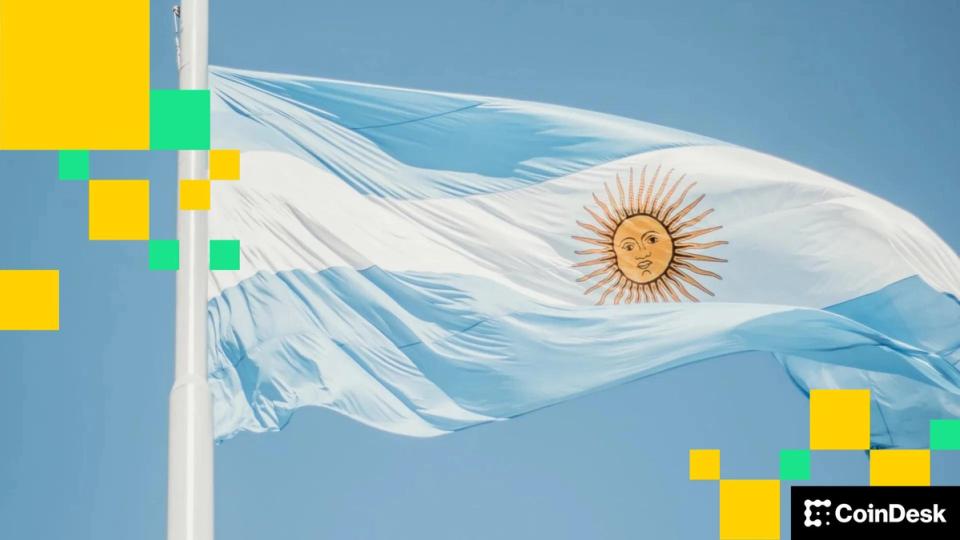
Argentina has ordered a nationwide block on prediction market Polymarket after a court in Buenos Aires found the platform operated without local approval and exposed users to gambling-related risks.
The ruling directs ISPs across the country to block access to the site and its related domains, according to local media.
It also ordered Apple and Google to remove or restrict Polymarket’s mobile apps for users in the country. The measure is carried out through ENACOM, Argentina’s communications authority.
The case was pushed by the City of Buenos Aires Lottery, or LOTBA, and supported by the casino industry group Câmara Argentina de Salas de Casinos, Bindos y Anexos (CASCBA). Prosecutors said Polymarket presents itself as a prediction market but in practice functions as a betting platform where users bet money on yes-or-no outcomes linked to politics, inflation, wars and other big-picture events.
The survey gained attention after Polymarket appeared to point to Argentina’s February inflation numbers shortly before the official INDEC release. This market saw a large swing ahead of the data’s official release, suggesting that some were trading on privileged information.
Still, authorities said they were focusing their case on the platform’s legal status and consumer protection.
Officials said the site allowed funding via crypto and credit cards, didn’t use strong identity or age checks, and let users open accounts within minutes. Prosecutors argued that the setup made it easier for minors and other vulnerable users to access gaming products.
The move follows a host of other countries treating Polymarket as an unlicensed gambling platform. The prediction market already restricts or blocks access to users in more than 30 countries, including France, Germany, Italy, Australia and Poland.
In some markets, the regulatory authorities have gone further. Ukraine ordered ISPs to block the site earlier this year as part of a wider crackdown on online betting. There is currently no legal way for Polymarket to operate in that country, according to Dmitry Nikolaievskyi, chief legal officer at the Project Office for Development of Ukraine’s Digital Economy in the Ministry of Digital Transformation.


