
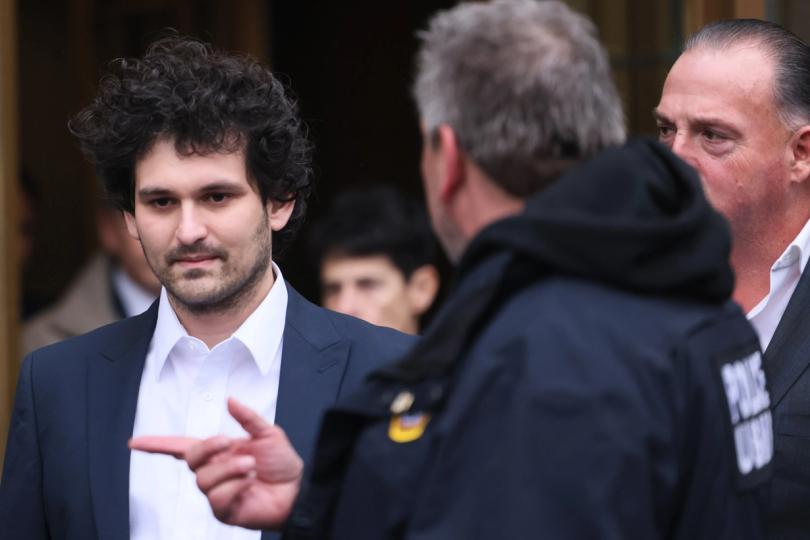
Barbara Fried and Joseph Bankman, the parents of FTX founder Sam Bankman-Fried, who was convicted after the stock exchange’s collapse, used their first television interview to challenge the core premise of his conviction, arguing that no client money was ultimately lost.
“The money was always there,” Bankman said during a weekend interview with CNN’s Michael Smerconish. “These were very profitable companies with billions in additional assets.”
The timing is not accidental. At the end of March, the FTX Recovery Trust is set to distribute about $2.2 billion in its fourth payment, bringing total recoveries to about $10 billion. Several US customer classes will reach 100% recovery, with one class at 120%. For Bankman-Fried’s parents, those figures should mean SBF’s exemption.
“Everyone has been made whole with 18 to 43 percent interest,” Fried said.
All distributions are denominated in US dollars and are set at asset prices as of the bankruptcy filing in November 2022, when bitcoin is trading near $16,800. FTX collapsed in late 2022, raising investor confidence and triggering a wave of regulatory scrutiny across the industry.
Bitcoin has been on a rollercoaster ride since then, rising to over $126,000 during the fall of 2025 and now trading around $69,000, well above the late 2022 price.
However, an FTX customer who held a bitcoin receives the dollar value of that claim from 2022 plus interest, not the asset or its current price. The estate returns about 119% of a claim frozen at a fraction of today’s market value.
FTX creditor representative Sunil Kavuri has publicly rejected the frame, writing that “FTX creditors are not whole.”
FTX Bankruptcy recovery rates in real crypto terms
FTX creditors are not whole
9% to 46%: Real crypto terms recovery but probably lower in reality as crypto prices are higher when 143% is paid
Also seen on CT some:
1) Protect known fraudsters/liars/fraudsters
2) Attack those who help… pic.twitter.com/pUcjIPFsnv— Sunil (FTX Creditor Champion) (@sunil_trades) November 2, 2025
The parents’ defense is also at odds with the legislative framework that was put in place in response to the collapse. Bankman described the transfer of client funds to sister company Alameda Research as routine.
“They were borrowed by Alameda from FTX,” he said. “Alameda acted like everyone else, depositing money and borrowing money.”
If accepted, this argument would normalize the commingling of client assets with a proprietary trading firm, the exact practice new rules in Hong Kong, the EU, and proposed US legislation now prohibit. The logic that exempts Bankman-Fried is the same logic regulators moved to eliminate.
Fried went further, calling the prosecution “essentially political” and arguing that the Biden administration “had decided to destroy crypto.”
The political frame reflects a broader push against President Donald Trump, as Bankman-Fried continues to support White House policies from prison via posts on X.
Smerconish noted that Judge Lewis Kaplan, who presided over SBF’s criminal trial and sentenced him to 25 years, is the same federal judge who oversaw E. Jean Carroll’s civil case against Trump, a point he said was “not lost on” the family.
Asked what she would say to Trump, Fried called her son “one of the most brilliant, talented young men of his generation” and said he would be “a tremendous asset to the economy” if released.
But that door appears to be closed, at least for now.
Trump said in a January interview with the New York Times that he would not consider a pardon for Bankman-Fried, although Trump has granted pardons to other crypto figures, including Silk Road founder Ross Ulbricht and former Binance CEO Changpeng Zhao.
Polymarket punters give it a 12% chance of happening.
Bankman-Fried’s appeal remains pending, and his motion for a new trial faces opposition from prosecutors who have rejected his claims of political bias.


