
- Networking company Ookla benchmarked the iPhone Air’s C1X iPhone modem
- The results show that it rises above the iPhone 16e
- It is also on par with the Qualcomm X80 chip in the iPhone 17 Pro Max
When leaks revealed that Apple would start equipping its top iPhones with its own in-house modem chip, there were concerns about how long it would take the Cupertino giant to get its wireless performance up to par with competing components from the likes of Qualcomm. But according to a recent report from networking company Ookla, those concerns may have been overblown.
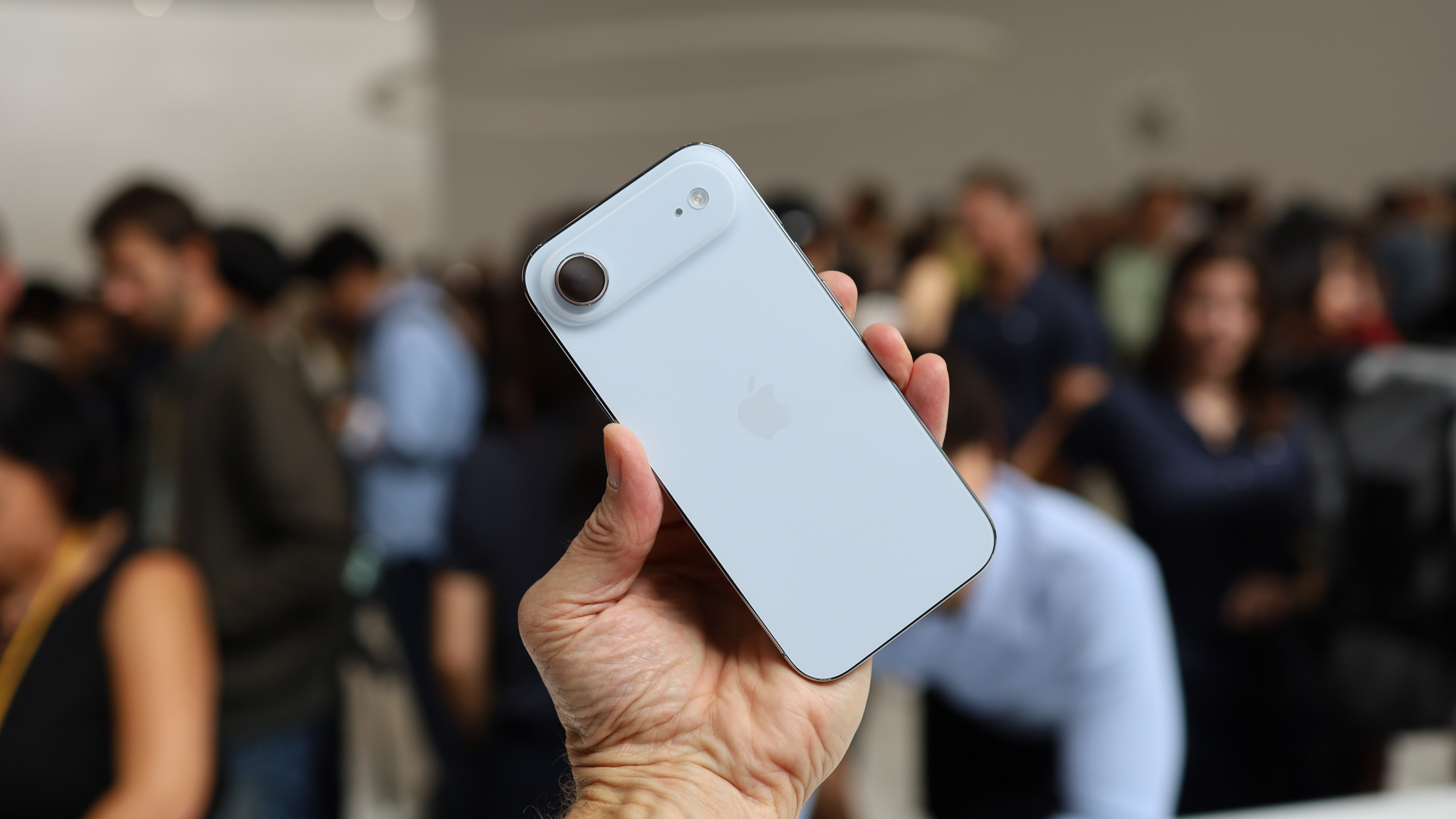
In the report, Ookla put Apple’s C1X modem – found in the iPhone Air – through its paces. And as the results show, its performance is so good that Ookla believes Apple fans will get “true download parity” with Qualcomm’s market-leading X80 chip. Compared to iPhones with the X80 and those using Apple’s previous-generation C1 chip, Apple has “set new standards for network latency,” Ookla believes.
Specifically, Ookla tested the 5G performance of the C1X chip in Apple’s iPhone Air and then compared the results to the Qualcomm X80 in the iPhone 17 Pro Max and Apple’s C1 in the iPhone 16e. According to benchmark results, the iPhone Air’s C1X outperformed the iPhone 17 Pro Max for latency in 19 out of the 22 markets Ookla tested. Although the differences were small, they suggest that Apple has caught up with rival Qualcomm’s offerings in just a few years.
The article continues below
In terms of download speeds, the C1X and the Qualcomm X80 were neck and neck. Measured in the US, for example, the X80 pulled ahead in average and best conditions, while the C1X had the advantage in areas of poor signal strength. In all cases the differences were small.
Compared to its own C1 chip, the C1X offers a “generational leap,” Ookla says. It stepped up in download speeds and also offered far better latency, suggesting that Apple has been able to significantly improve its wireless capabilities between chip generations.
It wasn’t all good news. Qualcomm’s X80 still outperformed the C1X in terms of upload speeds – sometimes with a performance difference of up to 32%. That said, the C1X offered notable improvements over the C1 in this area.
A ‘highly visible upgrade’
Considering the C1 and C1X chips were launched just a year apart, the improvement in wireless performance has been remarkable.
With Apple committed to using its own internal modems, those kinds of increases could give competitors pause for thought, especially with the prospect of a C2 modem launching in this year’s iPhone 18 lineup.
In fact, Ookla says the iPhone Air and C1X provide a “very visible upgrade over the iPhone 16e in terms of content sharing capabilities for most of the markets in this analysis.”
But companies like Qualcomm aren’t resting on their laurels, and the company is expected to equip many of the top Android phones with the next-generation X85 modem in the coming months. That could tip the scales in Qualcomm’s favor again.
Still, the mere fact that Apple is able to compete with an established force like Qualcomm so soon after entering the modem market is good news for Apple fans. Ookla declares that the C1X’s impressive latency performance against both competitors and Apple’s own previous chips means that “Apple has built the most responsive everyday modem on the market” – one that offers “no noticeable sacrifice in peak 5G performance compared to the bulkier, more capable ‘Pro’ device.”
Follow TechRadar on Google News and add us as a preferred source to get our expert news, reviews and opinions in your feeds. Be sure to click the Follow button!
And of course you can too follow TechRadar on TikTok for news, reviews, video unboxings, and get regular updates from us on WhatsApp also.


