
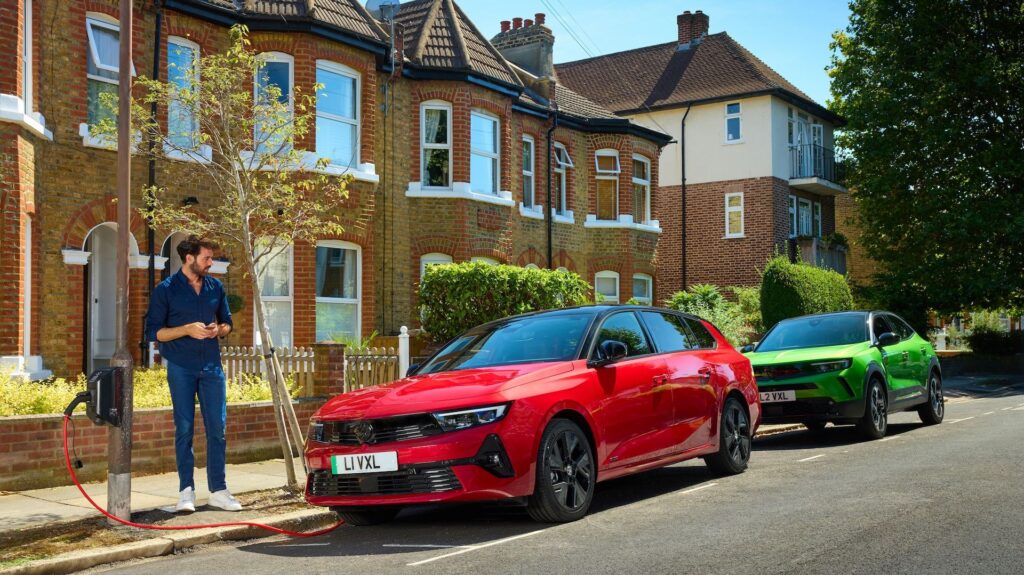
- A relaxation of the EV rules and a boost in subsidies will come in April
- It will be easier for owners to install embedded sidewalk channels
- Councils will also receive funding for the next three years to help them increase local charging infrastructure
Rule changes due to come into effect on April 1 this year could help reshape how UK drivers access electric car charging – particularly those without driveways.
Following an announcement back in February 2026, the UK government says it has increased grant amounts for charging points by more than 40%, while increasing support for local councils to make it easier for those without private driveways to access an EV charging solution.
For example, the government is said to be easing restrictions on “cross-pavement” charging (which I’ve previously argued is a good but limited idea), making it easier to run a compatible cable from a home to a street-parked car.
The article continues below
“Drivers without off-street parking have long faced ‘driveway discrimination’ when it comes to electric vehicle charging,” explains Matt Galvin, CEO, Polestar UK.
Galvin went on to explain that Polestar welcomes this policy to facilitate the installation of home charging solutions, which will “help more people switch from petrol and diesel cars, reduce running costs and reduce air pollution and traffic noise in our cities,” he added.
Analysis: A positive step for EV owners
The latest announcement from the UK government could be a real game-changer for EV owners, as one of the biggest roadblocks to the widespread adoption of this technology is the frankly unacceptable cost of the public charging network.
As electric battery packs get bigger, the efficient “tank” now costs more to fill, and if electric car owners are unable to install a charger at home, this quickly becomes prohibitive.
After driving the Kia EV9 for a week recently, I was faced with a bill of well over £150 in public collection charges. Driving the same distance in my old diesel van would have cost half the amount.
Unfortunately, those who don’t live without a parking space, renters and even small business owners often face a lot of red tape when it comes to EV charging options, such as the low-energy units installed on existing street furniture or cross-sidewalk charging solutions.
These see a small gap made in the pavement or pavement which allows electric car owners to safely pull a charging cable from a flat or terraced house without causing a dangerous tripping hazard.
It makes it possible to charge from a socket in the home without having to install a 7kW charger.
“We are taking steps to make electric cars the affordable choice for everyone – not just those with driveways,” said Aviation, Maritime and Decarbonisation Minister Keir Mather.
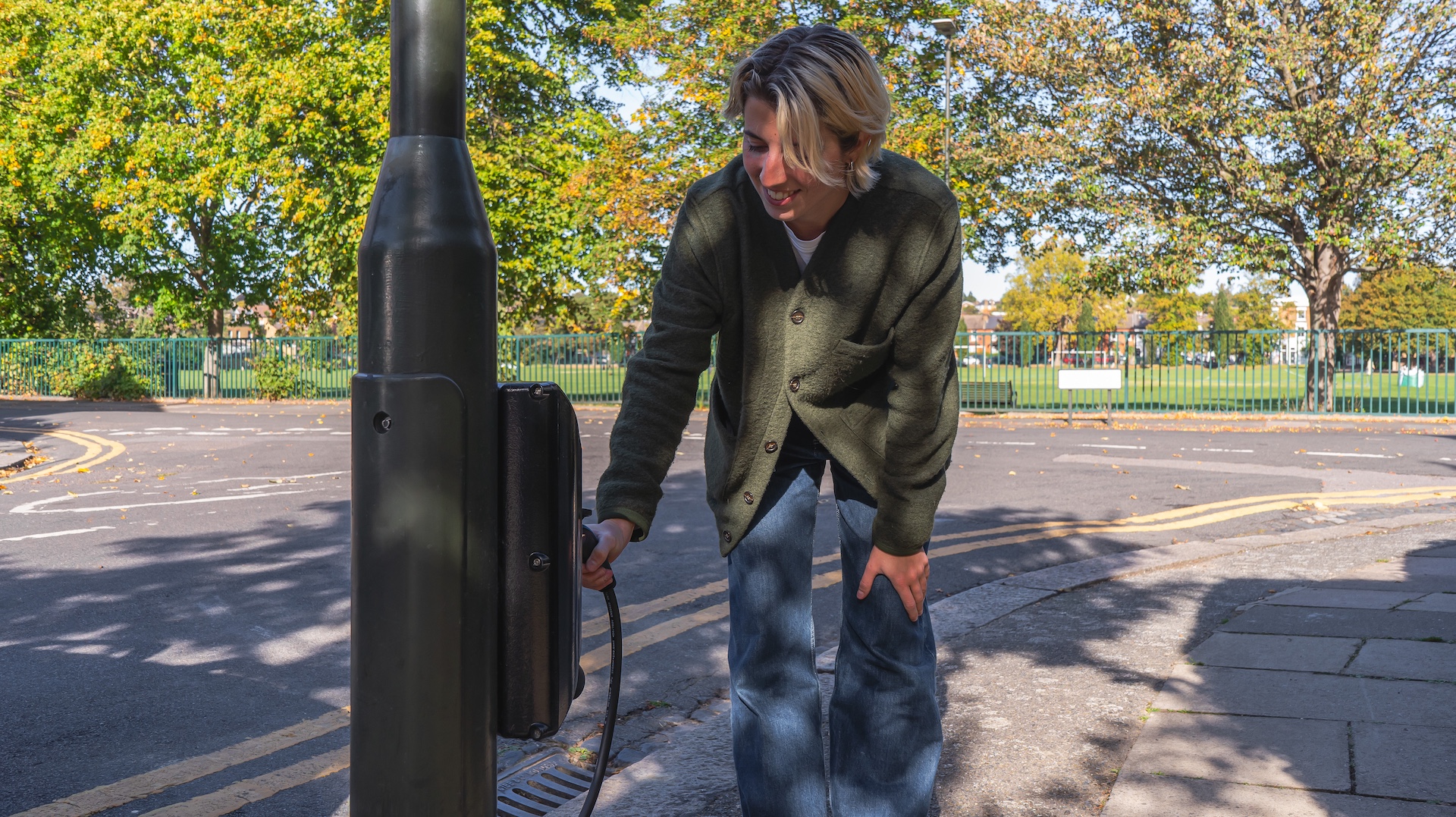
“Increased subsidies mean that families, apartment owners, renters and small businesses can now install a charger for almost half the usual cost, with home charging costing as little as 2p per mile,” he added.
On top of this, local councils will receive funding over the next three years to help them strengthen local charging infrastructure.
Ben Beadle, chief executive of the National Residential Landlords Association, is also urging landlords to make the best use of the grants, saying that almost 9 out of 10 landlords with a suitable property would install EV charging stations if a tenant asked them to undertake this work.
This recent announcement, along with the existing £2 billion electric car subsidy, which offers savings on certain electric vehicles, is designed to make the idea of EV ownership more attractive.
With fuel prices still rising due to the conflict in the Middle East, Octopus Energy has reported sales of electric chargers are up 20% month-on-month as drivers look to “escape unpredictable costs at the pumps”.
The EV demand is there, it just needs to be as simple as possible for potential owners to be able to charge at home for less. Otherwise, it simply makes no sense to switch.
Follow TechRadar on Google News and add us as a preferred source to get our expert news, reviews and opinions in your feeds. Be sure to click the Follow button!
And of course you can also follow TechRadar on YouTube and TikTok for news, reviews, video unboxings, and get regular updates from us on WhatsApp also.


