
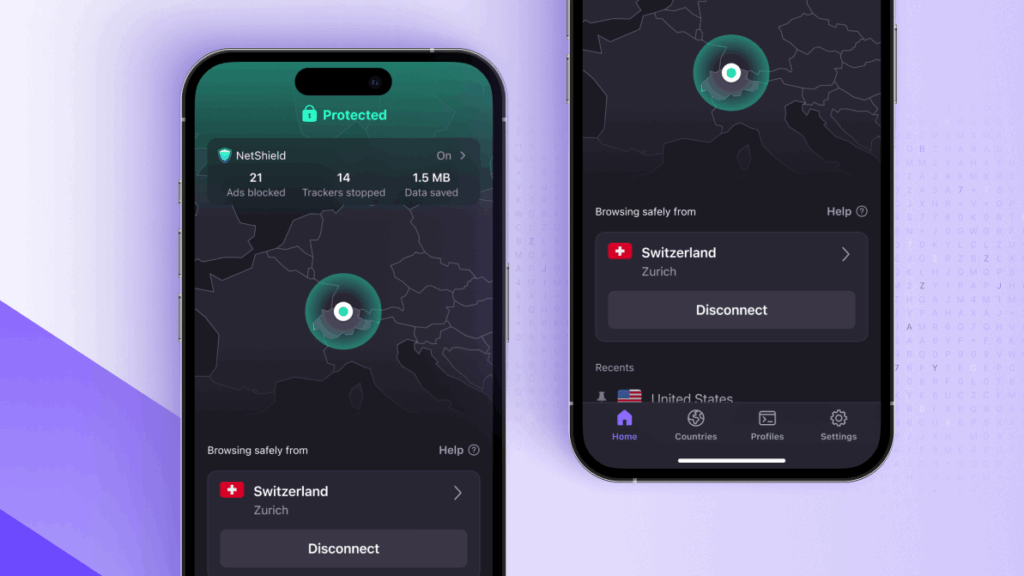
- Proton VPN added exit nodes in Bolivia, Haiti, Jamaica, Paraguay, Uruguay
- The network expansion was driven directly by user requests
- The move brings localized, secure browsing to underserved regions
Swiss-based privacy giant Proton VPN has proven once again that it listens closely to its user base by rolling out brand new infrastructure across South America and the Caribbean.
Announced earlier Tuesday (March 31), the provider has officially turned on new VPN servers in five countries: Bolivia, Haiti, Jamaica, Paraguay and Uruguay.
This launch is particularly significant because it provides vital privacy protection tools to regions historically underserved by the broader consumer cybersecurity industry.
The article continues below
The move is not just a haphazard business expansion strategy, but a direct response to ongoing community feedback.
This milestone was also celebrated online by Proton VPN’s General Manager, David Peterson, who shared the news by posting the announcements in several local languages, including Haitian Creole, Jamaican Patois, Spanish and Guarani.
Why these new places matter
For the average consumer, an extended network means you’re far less likely to suffer from server congestion. When too many users gather on a single server, internet connection speeds can drop.
By adding dedicated exit nodes in these five specific nations, locals and travelers can now surf the web with a regional IP address while keeping their personal data fully encrypted and protected from snooping internet service providers (ISPs).
In response to user requests, we have added nodes in Bolivia 🇧🇴, Haiti 🇭🇹, Jamaica 🇯🇲, Paraguay 🇵🇾 and Uruguay 🇺🇾. https://t.co/dyJ9f32amq31 March 2026
If you live in or are currently visiting Haiti, Jamaica or Bolivia, connecting to an exit node significantly reduces latency. This means your web pages will load much faster, your video calls will be more stable, and your streaming experiences will suffer from far less buffering.
Furthermore, these exit nodes provide a lifeline for citizens who need to bypass geo-blocking or securely access domestic banking services and news media when traveling abroad.
Users who wish to take advantage of the new Caribbean and South American servers can do so immediately by updating their software and checking the server list.
How Proton VPN stacks up
Proton VPN has been on a relentless mission to expand its global server coverage over the past year. We consistently rank it as one of the most secure and capable services on the market, but its visible commitment to community accessibility is what often sets it apart from premium rivals like NordVPN, Surfshark, and ExpressVPN.
This latest server drop follows a recent push in which Proton expanded the network coverage of its free VPN, allowing non-paying users to access servers in key countries specifically chosen to fight digital censorship.
If you want to read a more in-depth overview of how this provider fares in our rigorous speed and security tests, check out our comprehensive Proton VPN review.


