
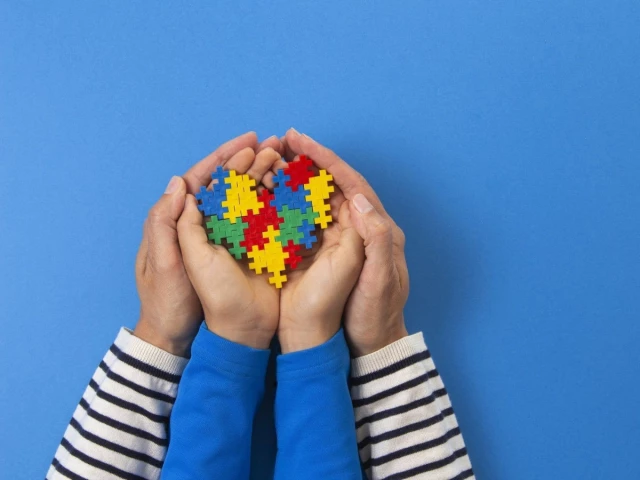
The United Nations marks the day on April 2, celebrating the invaluable contribution of autistic people to societies around the world
President Asif Ali Zaradari stated that autism is not a limitation, but rather a different way of experiencing the world. In a post on X for World Autism Dayhe called for the need for early diagnosis, routine screening during children’s health visits and improved training of doctors and community health workers.
The United Nations marks World Autism Awareness Day on April 2, celebrating the invaluable contribution of autistic people to societies around the world. “Let’s commit to creating a world where no person with autism is left behind,” said UN Secretary-General Antonio Guterres.
He further noted that approximately 0.5% of Pakistan’s population is affected, with many individuals dependent on access to schooling, therapy, diagnosis and social acceptance.
Zardari also highlighted that many parents travel long distances to access care and therapy. The government is working to strengthen support systems, including inclusive education, early identification, rehabilitation services and public awareness initiatives, the statement added.
On World Autism Awareness Day, President Asif Ali Zardari said: “Autism is not a limitation. It is a different way of experiencing the world.” He called for early diagnosis, inclusive education and stronger support so that individuals on the spectrum can live with dignity. pic.twitter.com/U89BpykMov
— President of Pakistan (@PresOfPakistan) 1 April 2026
The United Nations National Assembly designated April 2 as World Autism Awareness Day in 2007, as part of its efforts to promote the human rights and fundamental freedoms of autistic individuals and ensure their equal participation in society.
Over the years, significant progress has been made, driven by autistic advocates who have worked tirelessly to bring the lived experiences of autistic people to the forefront of global discussions.
Today’s theme, Autism and humanity – every life has value, highlights the dignity and worth of all autistic people, especially at a time when misinformation and regressive rhetoric about autism is resurfacing.
Grounded in human rights principles in line with the UN’s sustainable goals, this vision recognizes neurodiversity as an integral part of sustainable development – promoting health and well-being, education, gender equality, economic opportunity, reduced inequalities, sustainable communities and strong institutions.


