
- Raspberry Pi 4/5, Pi 500/500+ and more face price increases
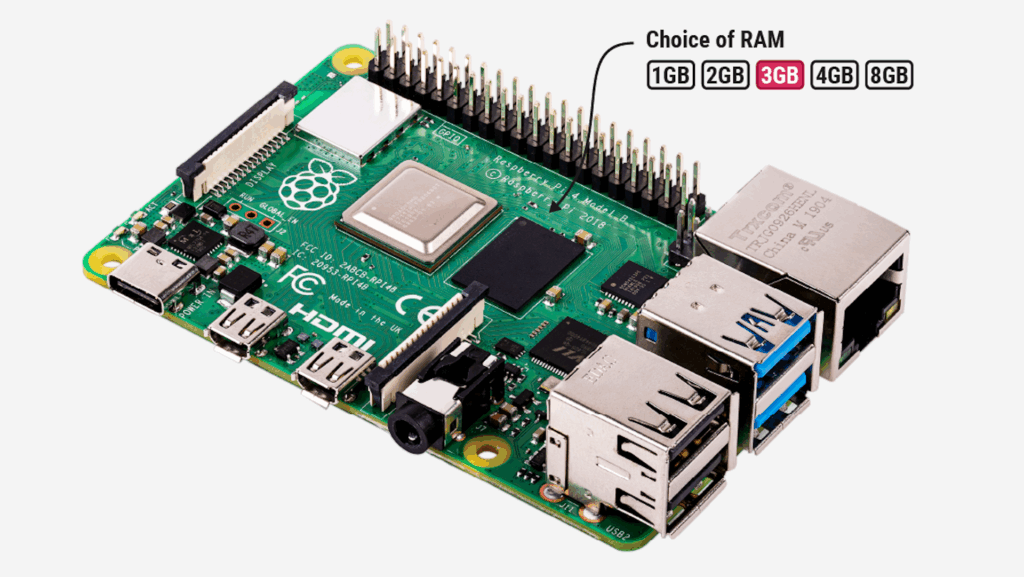
- But there is a new Raspberry Pi 4 3GB to optimize cost versus performance
- Some ‘classic’ products that use stock chips are not affected
Raspberry Pi CEO Eben Upton has announced another round of price increases across much of the company’s range, largely blaming global chip shortages.
Recent increases range from around $11 to $150 depending on model or RAM, driven by increased LPDDR4 DRAM costs impacted by AI-induced demand.
Upton explained that RAM prices for the chips used by the Raspberry Pi 4 and 5 have increased sevenfold in the past year, but with higher RAM models hit hardest due to tight supply, the company has thought creatively and introduced a lower-storage model to keep costs down.
The article continues below
Raspberry Pi launched model with lower RAM in response to rising costs
“While we cannot avoid passing on some of these increased costs, we are also engineering to expand the range of memory density options available to our customers,” Upton wrote.
The new 3GB Raspberry Pi 4 model is now available for $83.75. As for the latest models in the company’s existing range, prices have risen across the board:
- Raspberry Pi 4 and 5 (4GB) +$25
- Raspberry Pi 4 and 5 (8GB) +$50
- Raspberry Pi 5 (16GB) +$100
- Raspberry Pi 500 (unit and kit only) +$50
- Raspberry Pi 500+ unit only +$150
- Raspberry Pi 500+ kit +$150
- Compute Module 4 and 4S (1GG) +$11.25
- Compute Module 4, 4S, 5 (2GB) +$12.50
- Compute Module 4, 4S, 5 (4GB) +$25
- Compute Module 4, 4S, 5 (8GB) +$50
- Compute Module 5 (16GB) +$100
- Compute Module 5 Development Kit +$25
- Raspberry Pi AI HAT+ 2 +$50
There are some products that remain unchanged, including Raspberry Pi 400 (4GB), Raspberry Pi 4 and 5 (1GB and 2GB) and ‘classic’ products such as Pi Zero/Zero W/Zero 2 W, Pi 1/3/3B+/3A+ and Compute Module 1/3+.
Upton sees the strain as “challenging but temporary” and expects prices to fall again once memory costs stabilize.
The news follows earlier increases in December 2025 and February 2026, which were blamed on competition for fabrication capacity as large-scale AI infrastructure continues to absorb a growing share of global memory production.
Follow TechRadar on Google News and add us as a preferred source to get our expert news, reviews and opinions in your feeds. Be sure to click the Follow button!
And of course you can too follow TechRadar on TikTok for news, reviews, video unboxings, and get regular updates from us on WhatsApp also.


