
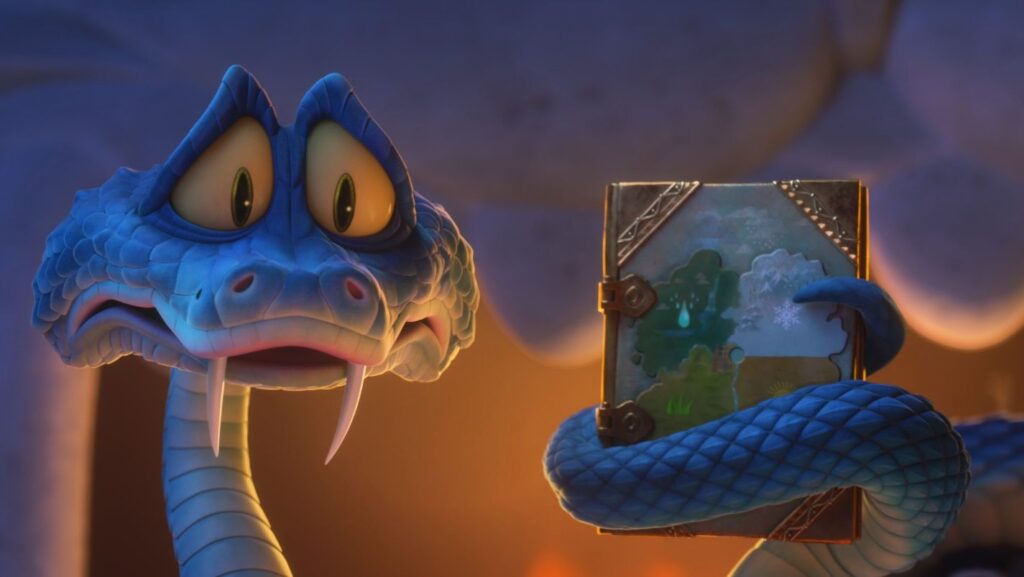
After becoming the biggest film of 2025, Zootopia 2 isn’t just a box-office hit — it’s also one of Disney Animation’s most technically ambitious projects to date. And at the center of it is Gary, a blue viper who pushed the studio to build brand new tools just to bring him to life.
The film, now streaming on Disney+, features a character that may seem simple on the surface. But behind the scenes, Gary required rethinking how animation, modeling and simulation work together.
Turning nature into code
At the heart of Gary’s design is a proprietary system called Scute—aptly named for the way scales grow outward on a turtle shell as they run until they connect. Built in-house using Houdini, it was designed to generate and control the snake’s scales across its entire body.
The article continues below
“So it allows you to kind of programmatically build some geometry and build as a system that makes things,” explained Jesse Erickson, Effects Animator at Walt Disney Animation Studios, who worked on the tool.
For Erickson, the process did not begin with software—it began with observation.
“And that’s how it works a lot of times… you just get hassled,” he said. “You just get so bothered by, like, how does this work? How does this work in nature?”
This curiosity led to a guiding philosophy: study real-world behavior, then recreate it with rules.
“Because we just translate what we see in nature and try to come up with programmatic rules to recreate it.”
Or more simply, “We’re just reverse engineering all the amazing things we see in the world.”
Why Disney Should Build Scute
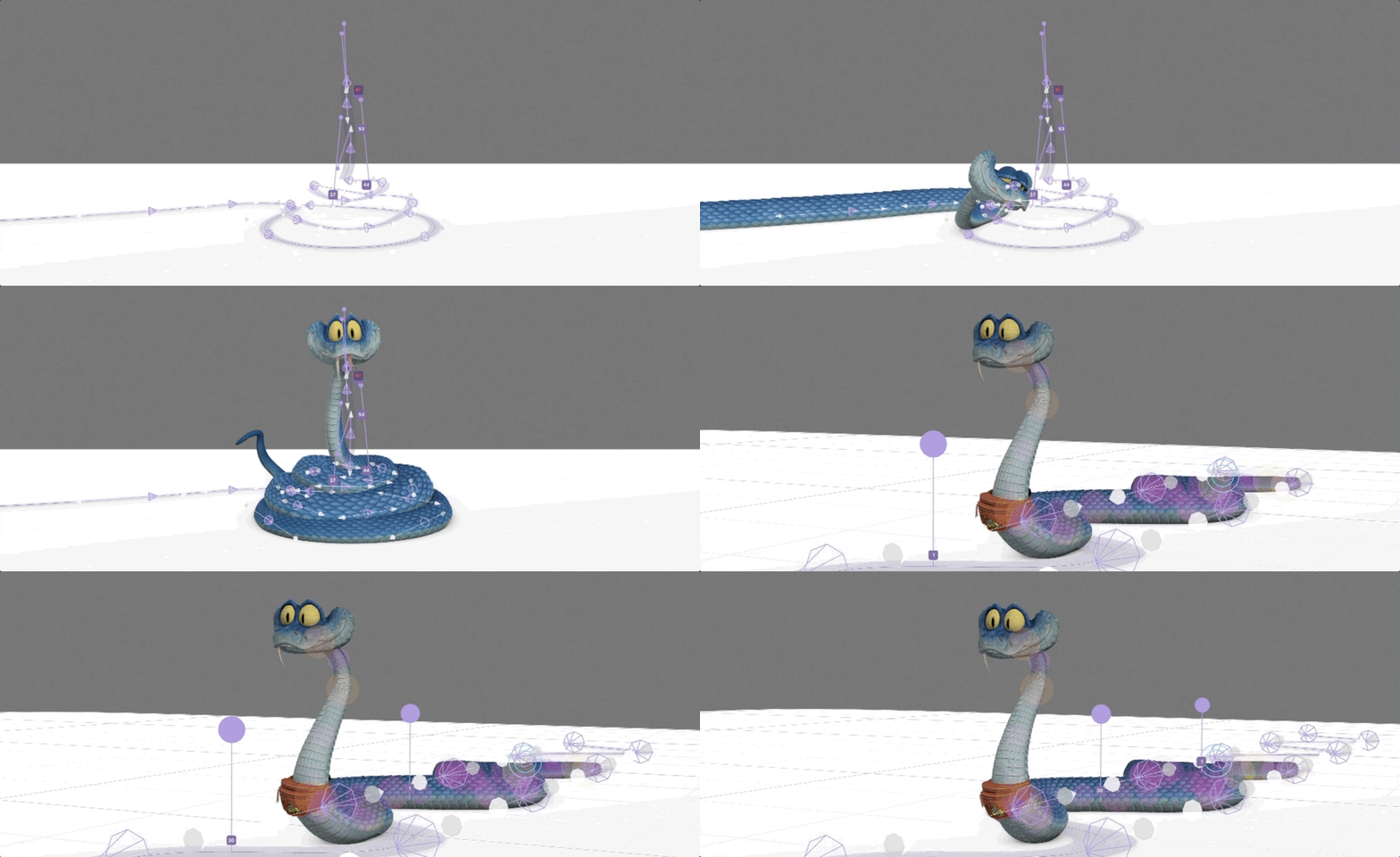
Gary’s surface detail soon proved too complex for traditional techniques. Early tests with textures and displacement – a common way to simulate fine detail – fell apart under close inspection and extreme movement.
The real stress test came when Gary wound into sharp curves, almost a W shape: the texture approach simply couldn’t hold up. To get the realism they wanted, Disney had to move to fully simulated geometry.
“…we were just like, ‘Okay, we’ve got to build this,’ and stretch beyond the possibilities that we saw were out there,” Erickson said.
Scute made this possible by generating around 3,000 individual scales across Gary’s body – around 450 on the head, 160 on the belly and 2,400 on the dorsal side – each contributing to how the character looks and moves on screen.
That level of detail was essential to capture a subtle but defining behavior of real snakes.
“What they were really interested in capturing with the scale is … the ‘mortar,'” Erickson explained. “So the weight will pack tightly when Gary is kind of tangled up… but when the body stretches out, the weight doesn’t necessarily deform with the body, right? Because it looks unnatural.”
Instead, the scales retain their shape while the skin between them becomes visible – a small detail that sells the illusion of life.
Building a character from the inside out
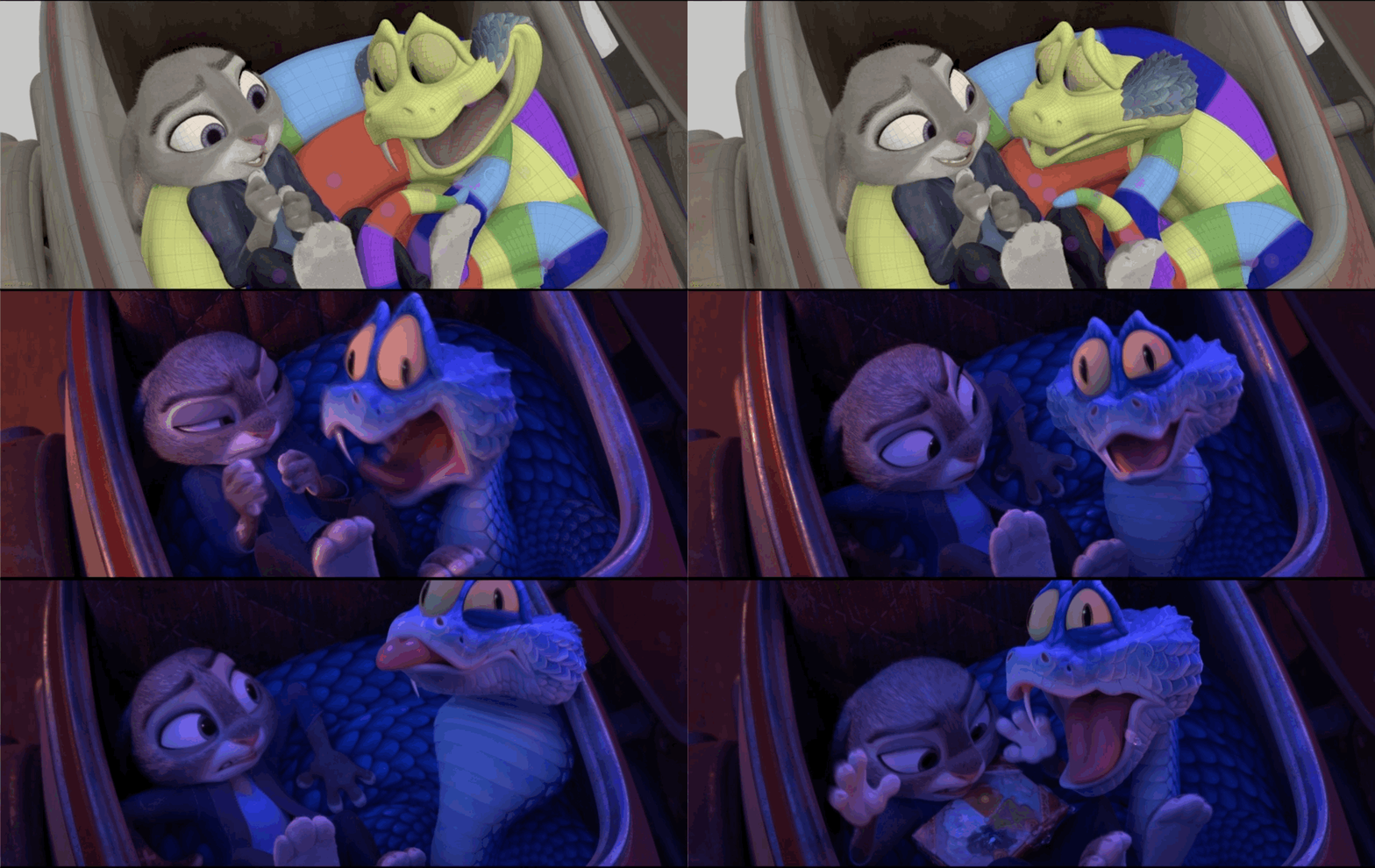
While Scute handled the surface and movement, Gary’s performance still had to work emotionally – without relying on traditional character traits. Snakes don’t have eyelids, and Disney chose not to fake it. Instead, the team developed what they called a “lid brow”—an eyebrow that could be pressed down over the eye like a lid would, while scaling and reshaping the eye below it to avoid an unnatural bulge. In any case, it was a complex technical problem.
“I think the voice I always used was this is the hardest thing I’ve ever done and I’m having so much fun,” said Adam Green, animation supervisor at Disney Animation.
An important lesson from the project was the importance of defining the character early on.
Look at
“I think that’s one of the things I took from this movie … and that’s the importance of establishing a character early on,” Green said. “To find out who they are, what makes them tick, what makes them think, live, breathe…”
This foundation helped guide both performance and the technical systems that supported it. And when the voice performance came into play—the moment Green animated a talk show clip of Ke Huy Quan at the director’s request, in a room of thirty people—everything clicked.
“Ke and Gary were almost like they were supposed to be together,” Green said. “It just kind of made sense.”
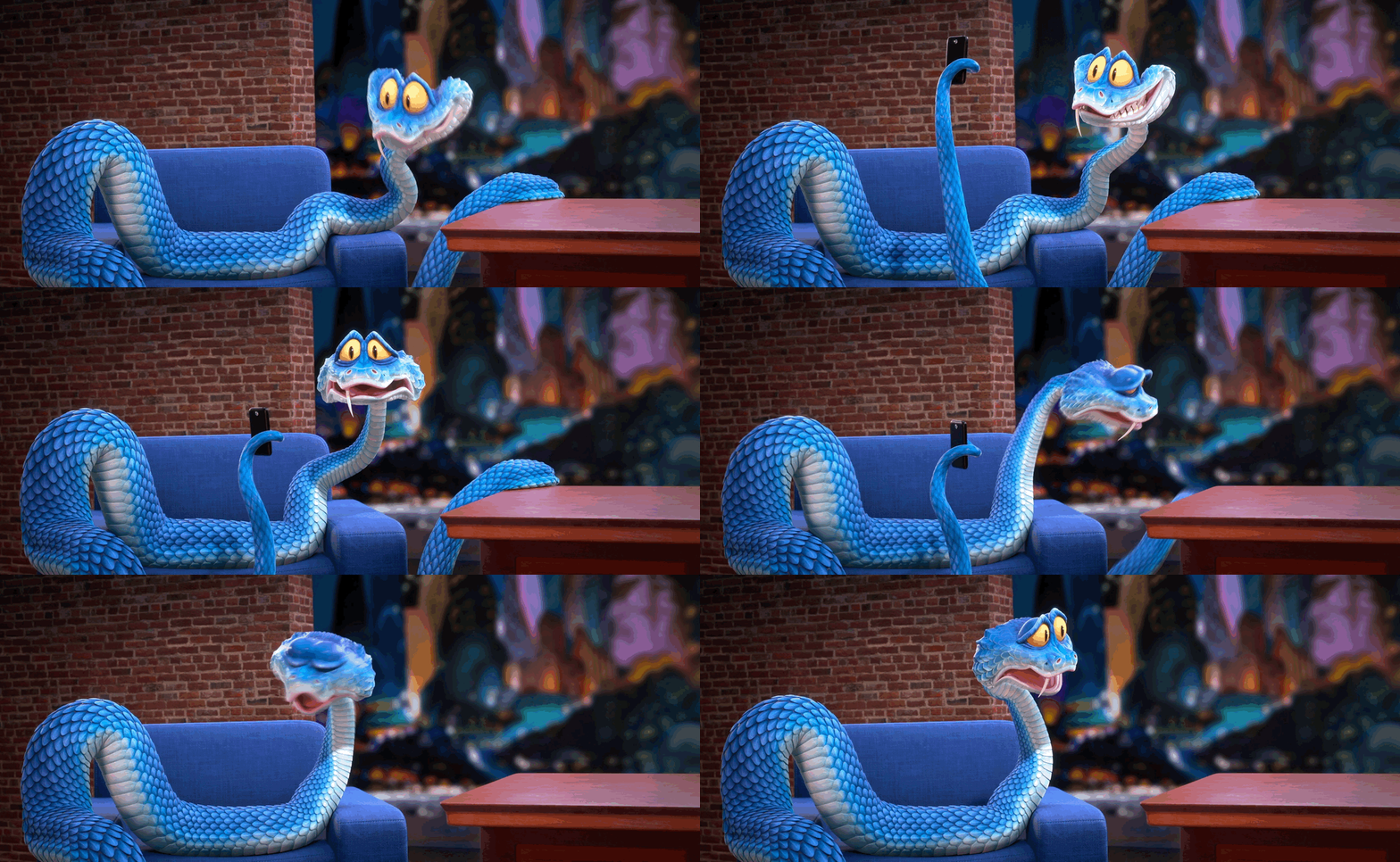
When performance meets technology
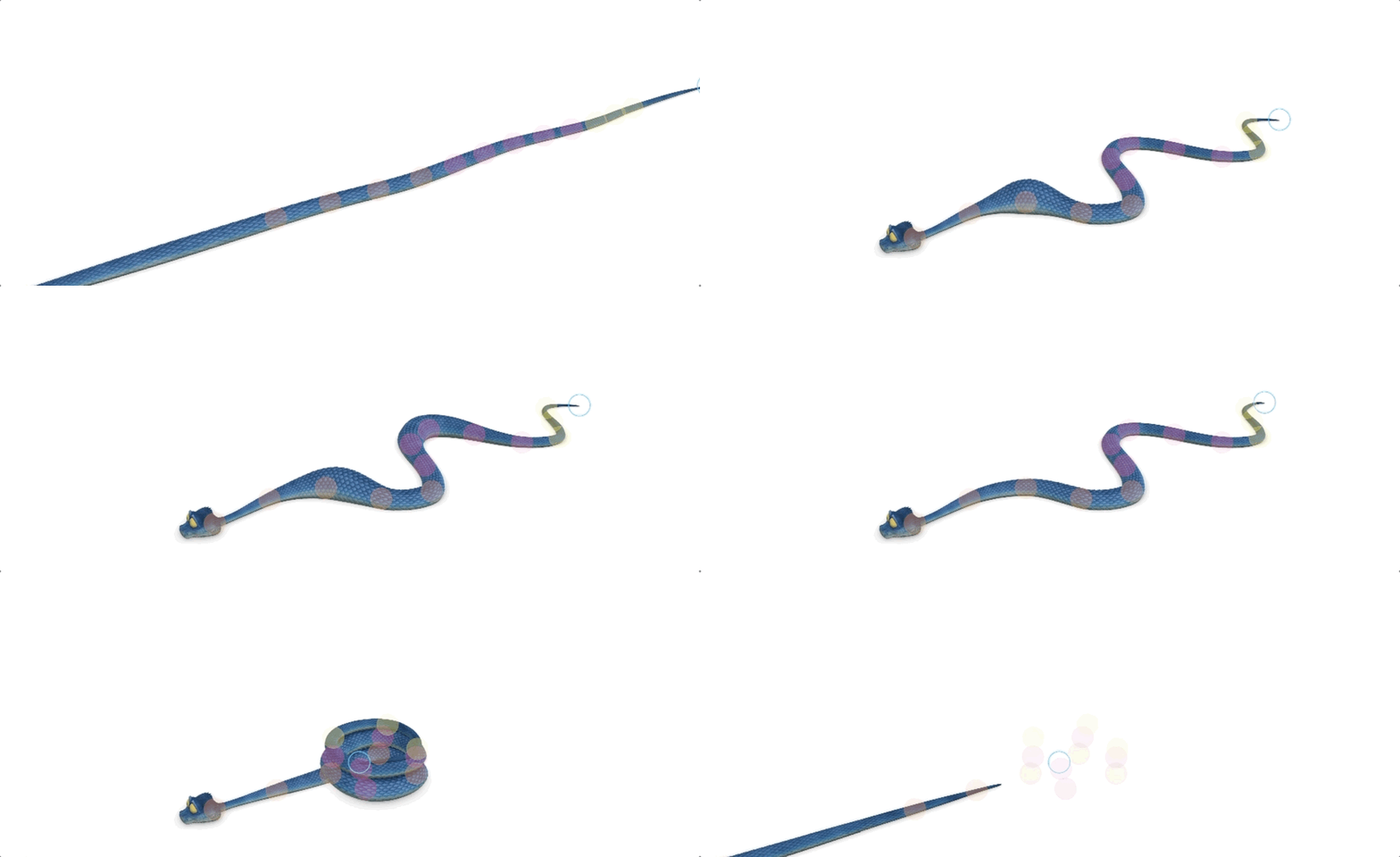
As animators pushed Gary into more complex performances—stretching, rolling, and twisting in ways that would break simpler rigs—the underlying technology had to keep up.
In some shots, animators used as many as six versions of Gary at once, layering multiple rigs together to achieve movement that a single setup could not support.
In one scene, an animator scaled Gary’s head down and stepped it all the way into another Gary, then adjusted the scale patterns so the seam was invisible.
It’s the kind of invisible complexity the audience never notices, but it’s important to make the performance feel natural.
A deeply collaborative pipeline
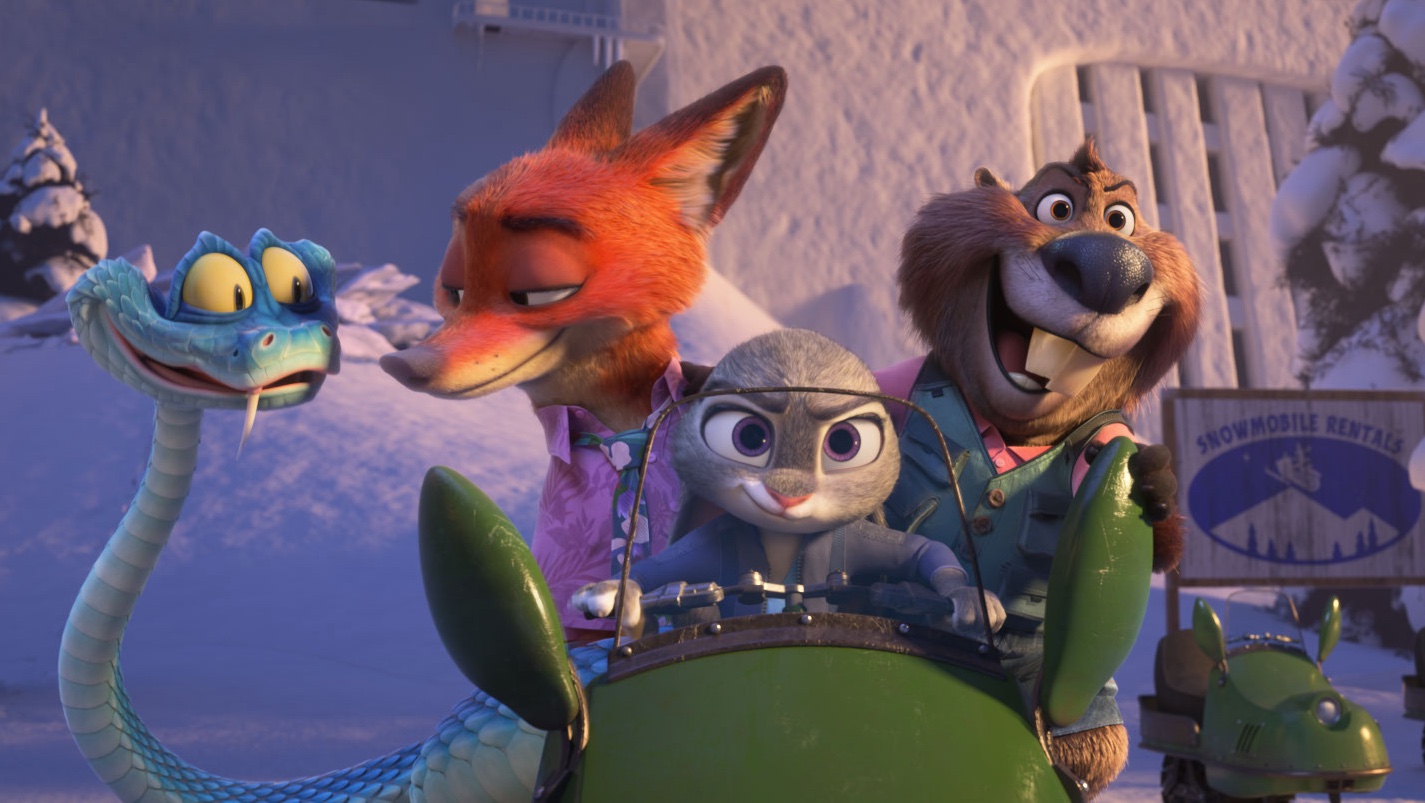
Bringing Gary to life required coordination across nearly every team at Disney Animation.
“It’s a very collaborative environment where even supervisors learn from the animators all the time,” Green said.
This collaboration extended beyond animators to engineers and developers who built the tools. A separate software team spent about five months building a path tool from scratch so Gary could glide with physical accuracy and analyze hose motion down to the mathematics of spline curves.
“Everybody like that is an artist,” Green added. “Even the people who write the software to generate the weight on his body.”
From hand-drawn storyboards to modeling, rigging, animation, simulation and lighting, each stage further refines the character. Green compares it to motor sports.
“The way I describe it is like an F1 car,” he said. “You spend all that time… building the F1 car, and then when it’s turned into animation, we drive it.”
Choosing the hardest path
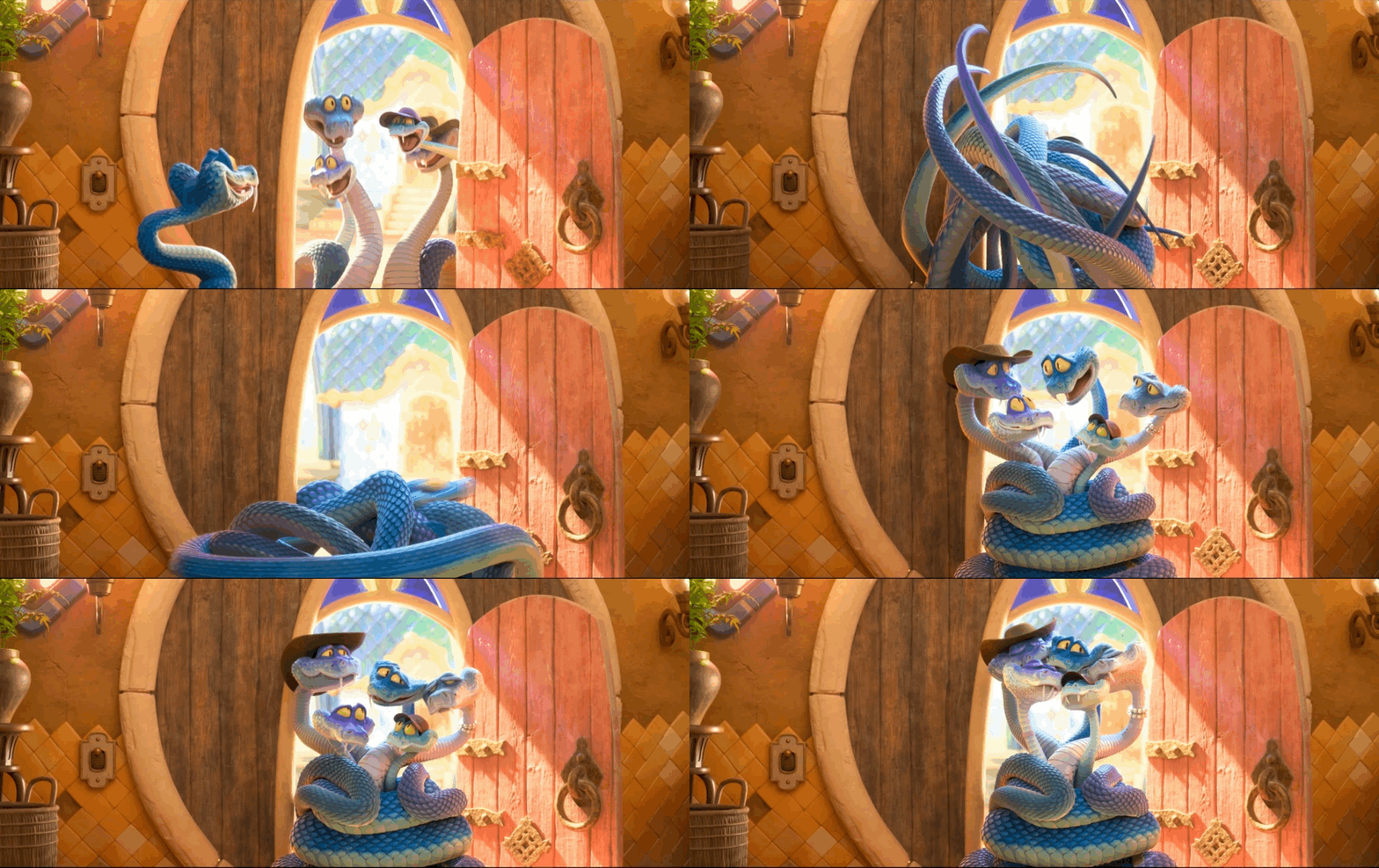
For Disney Animation, Gary wasn’t just a new character – he was a challenge worth solving the hard way. It was also uncharted territory: The studio had never animated a CG snake as a main character before. Early in production, the team didn’t even have the language for what they were doing.
“That’s one thing I love about Disney… we love finding the hardest thing to do and doing it,” Green said.
In this case, that meant building entirely new tools, modeling thousands of individual scales, and rethinking how a snake might perform on screen—all to make the character feel real.
And as Erickson put it, it all comes back to observation: “We’re constantly looking around at things we see in the world and just trying to figure out the rules of how they came to be.”
For Gary, those rules became code—and that code became one of Disney Animation’s most technically ambitious creations yet.
Zootopia 2 is now streaming on Disney+ — and once you know what went into Gary, it’s hard not to see it a little differently.
Follow TechRadar on Google News and add us as a preferred source to get our expert news, reviews and opinions in your feeds. Be sure to click the Follow button!
And of course you can too follow TechRadar on TikTok for news, reviews, video unboxings, and get regular updates from us on WhatsApp also.


