
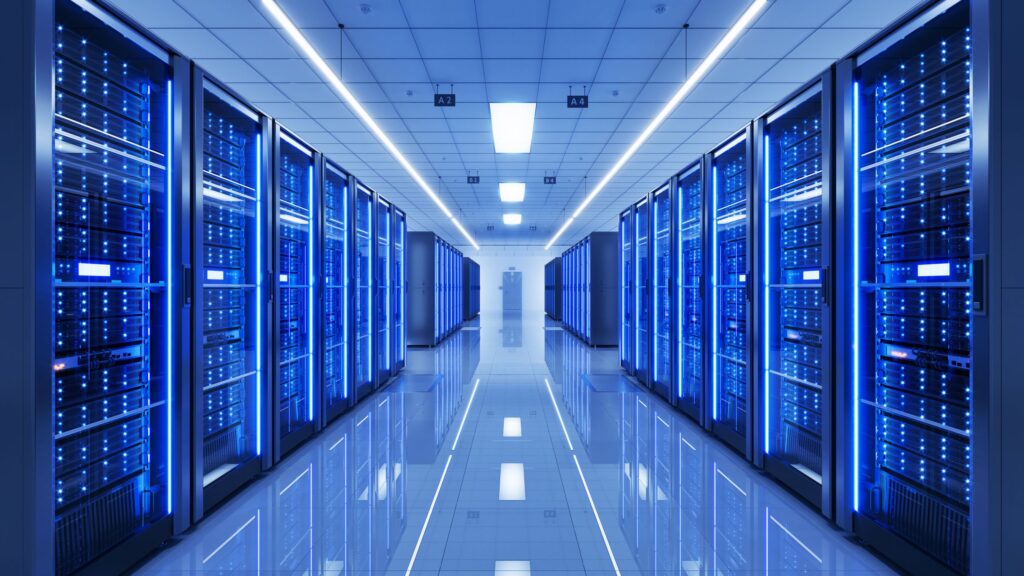
- Texas and Utah named first Army bases to allow data centers
- Third party commercial partners will be responsible for construction and operation
- The Army would benefit from access to computing and AI tools – which are a “strategic asset”
The US Army has confirmed plans to install commercial data centers at at least four of its “underutilized” military bases, giving private companies options to build and operate them.
Fort Bliss, Texas and Dugway Proving Ground, Utah have already been confirmed, and the Army is also nearing confirmation of two more sites at Fort Bragg, North Carolina and Fort Hood, Texas.
Under the new plans, unused army land will be leased to private developers who will have full control over the data centers, from financing and building to operating the campuses once they are live.
The article continues below
The US Army will lease some bases for data centers
In return, the Army would gain access to computing power from the partners selected to operate the data centers.
On that front, the plans are part of a broader push for the military to use AI technology to help detect threats and protect the United States from potential attacks. But on the land hosting front, this is the first scheme of its kind where army space is offered up to commercial options.
“AI is a strategic asset for the Army,” Secretary Dan Driscoll wrote. Carlyle, CyrusOne, KKR and Global Infrastructure Partners (GIP) have been appointed as partners for the new arrangement.
“By partnering with the private sector to develop advanced data centers on our installations, we are strengthening our national security, driving technological innovation and building a more resilient and modern military,” added Deputy Secretary of State David R Fitzgerald.
Of course, these places will not be without the usual local concerns about high energy and water consumption, rising electricity costs for nearby residents and general noise and unsightliness. With military bases generally shielded from nearby communities, the impacts may not be as severe as typical data center buildings.
It will probably be up to partner companies to manage resource consumption to minimize local and environmental impacts. Locations include areas within half a mile of residential areas and others more than a mile away.
As for the next phases, negotiations, reviews and agreements are still ongoing, with initial operational capacity potentially targeted for as soon as 2027.
Follow TechRadar on Google News and add us as a preferred source to get our expert news, reviews and opinions in your feeds. Be sure to click the Follow button!
And of course you can too follow TechRadar on TikTok for news, reviews, video unboxings, and get regular updates from us on WhatsApp also.


