
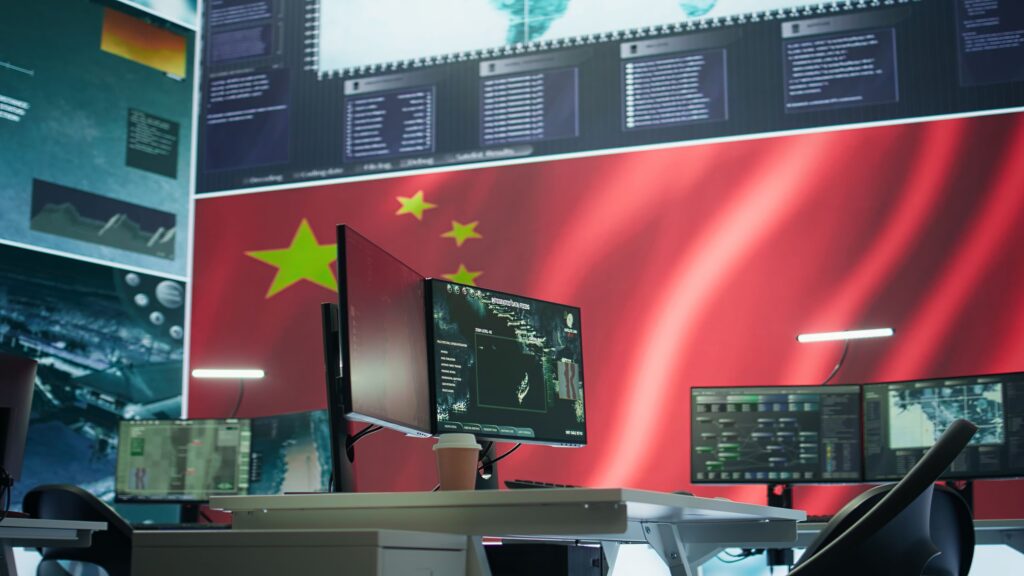
- ‘FlamingChina’ claims 10 PB of data was stolen from the supercomputer
- The supercomputer was used by numerous military and civilian units
- Samples of the data show simulations of aircraft, missiles and bombs
An individual or group calling itself “FlamingChina” claims to have stolen over 10 petabytes of highly sensitive military information from China’s national supercomputing center in Tianjin.
The breach remains unconfirmed, but samples released by the hacker show “research across diverse fields, including aerospace engineering, military research, bioinformatics, fusion simulation and more,” the group says.
The hacker is now offering a potentially record-breaking data set for sale with a price tag in the hundreds of thousands of dollars in cryptocurrency.
The article continues below
What was in the stolen data?
FlamingChina claims the stolen data includes highly secret information from “top organizations” such as the Aviation Industry Corporation of China (AVIC), the Commercial Aircraft Corporation of China (COMAC) and China’s National University of Defense Technology.
Analysis done by experts and shared by CNN suggests the data may be genuine and contains schematics and renderings of military equipment, including aircraft, missiles and bombs.
FlamingChina put the data up for sale on February 6, 2026, claiming that the mining took place over several months.
The breach, if confirmed, could help explain why several top experts in aviation, nuclear weapons, radar and missile systems were apparently removed from the Chinese Academy of Engineering (CAE) without explanation sometime in March this year.
speaks to CNNDakota Cary, a consultant at cybersecurity firm SentinelOne, said the stolen samples are “exactly what I would expect to see from the supercomputing center.”
“You would use supercomputer centers for large computational tasks. The range of samples that the vendors released really speaks to the breadth of customers that this supercomputer center had,” Cary continued.
The collection of 10 petabytes is a huge amount of data, as there are 1024 terabytes in a petabyte, meaning the total breach is about 10,240 terabytes, or well over 10 million gigabytes.
Cybersecurity researcher and author of the blog NetAskari, Marc Hofer, claimed to have spoken with someone claiming to be FlamingChina via Telegram. The hacker said they used a compromised VPN domain to access the Tianjin supercomputer.
They claimed that the 10 petabytes of data were slowly extracted over a period of six months using a botnet. The botnet would steadily extract and download data from multiple supercomputer servers at the same time. The constant stream of small data packets was probably intended to prevent any defense mechanisms from detecting a large stream of outgoing data.
FlamingChina was likely able to pull off the theft because it relied less on malware and more on vulnerabilities in the supercomputer’s architecture.
What is the National Supercomputer Center?
The Tianjin National Supercomputing Center opened in 2009 and serves over 6,000 units with the high-speed computing power needed for complex simulations. The supercomputer is used by entities across the research, industrial and defense sectors. Supercomputers are often used for aeronautical modeling, nuclear detonation simulations, and even AI training.
Numerous military, defense and intelligence projects likely relied on the National Supercomputer Center for modeling and simulations, making the dataset a potentially attractive asset to foreign intelligence agencies — even with the hefty price tag.
The Tianjin Economic Development Area website describes the supercomputer as “an indispensable technology support for cutting-edge S&T innovation and industrial upgrading” that “serves increasingly diversified customers from research institutes, universities, government agencies to enterprises and beyond.”
The best antivirus for all budgets
Follow TechRadar on Google News and add us as a preferred source to get our expert news, reviews and opinions in your feeds. Be sure to click the Follow button!
And of course you can too follow TechRadar on TikTok for news, reviews, video unboxings, and get regular updates from us on WhatsApp also.


