
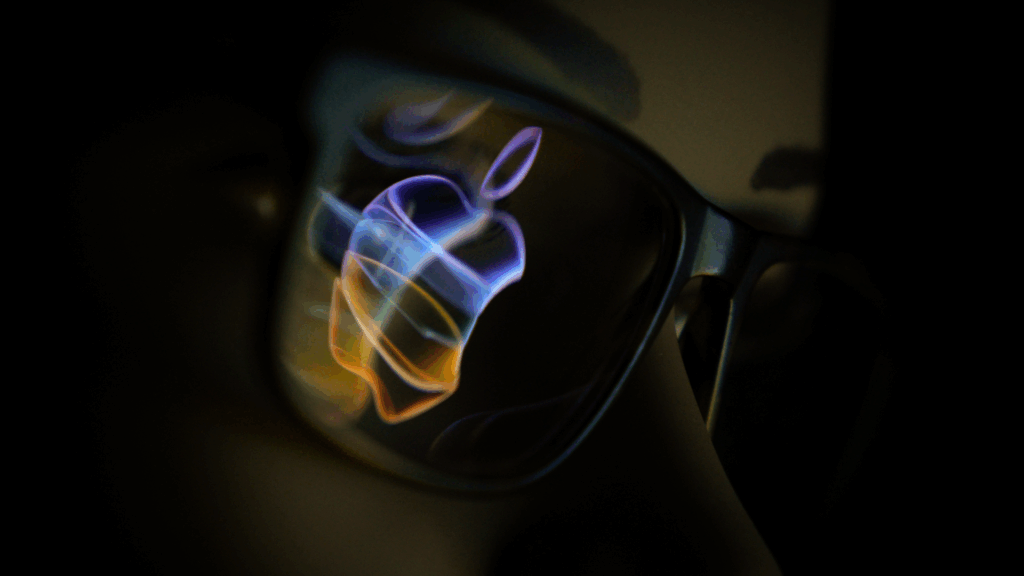
- Apple is working on smart glasses that, according to leaks, should be unveiled later this year
- AI AirPods and an AI pendant are also planned
- Apple’s approach to privacy could help it win with AI glasses
Every tech company and its dog is cramming AI into any system it can, and while Apple has been slow to get off the ground, its rumored AI glasses, AI-focused AirPods, and AI necklace could help it snatch victory from the jaws of defeat — all thanks to one big long-term focus: privacy.
While a few of these gadgets have been previously teased by Bloomberg’s Mark Gurman (behind a paywall), who often shares reliable Apple insider information, he has just revealed more details about Apple’s plans to create its first smart glasses.
According to Gurman, Apple is developing screen-less smart glasses that will compete directly with the Ray-Ban Meta Gen 2. These smart specs, internally codenamed N50, will apparently help you take photos and videos, play music, get notifications and interact with Siri. The latter will finally, according to reports, get a major upgrade in iOS 27.
The article continues below
The rumored AirPods and pendants could similarly rely on technology like cameras and microphones to capture information from your surroundings to provide insights and assistance, such as visual reminders.
Gurman didn’t share release dates for any of the trio, but says the smart glasses should appear later this year, with a 2027 launch. He also claims that Apple’s smart glasses are being tested with four designs: a large, rectangular frame (like Ray-Ban Wayfarers), a slimmer rectangular design (like Tim Cook’s oval glasses, plus circular glasses, more circular glasses or more) refined” version of the latter.
But despite these rumors that Apple will try to eclipse its rivals with a “high-end build”, I still think they’ll have their work cut out for them, for a few reasons.
Not ordinary sailing
For starters, this delayed rollout of Apple Glasses could hurt the perceived utility of its technology compared to its rivals — especially since by the time it debuts AI specs, Apple’s competitors are expected to have a generation or two of AR/display glasses released.
Experience-wise, AR and goggles (which can overlay your vision with various details, including live translation, shared game environments or HUD elements like a map) are also a significant step up from screenless AI specs in terms of their usability and capabilities.
The less than stellar Apple Intelligence rollout also gives me cause for concern. Apple still hasn’t really proven they know what they’re doing with AI.
The other potential pitfall is that Apple is said to be going it alone design-wise instead of linking to a brand like Ray-Ban or Warby Parker, which Meta and Google have. As a fashion accessory, the look of smart glasses is almost as essential as their utility, and several brands I’ve seen try to design their glasses in-house have struggled to make something that looks good.
That said, if any brand can buck that trend, it’s arguably the tech design champion that is Apple.
And the Californian tech giant also has a big smart glasses strength that could still win me over, even as an Android fan: privacy.
Privacy, privacy, privacy
Visual reminders are seen as the next big advantage AI wearables can exploit. That is, they can take in all the information about your life and help you remember things like people’s names, where you left your keys, or what needs to be stocked in your fridge.
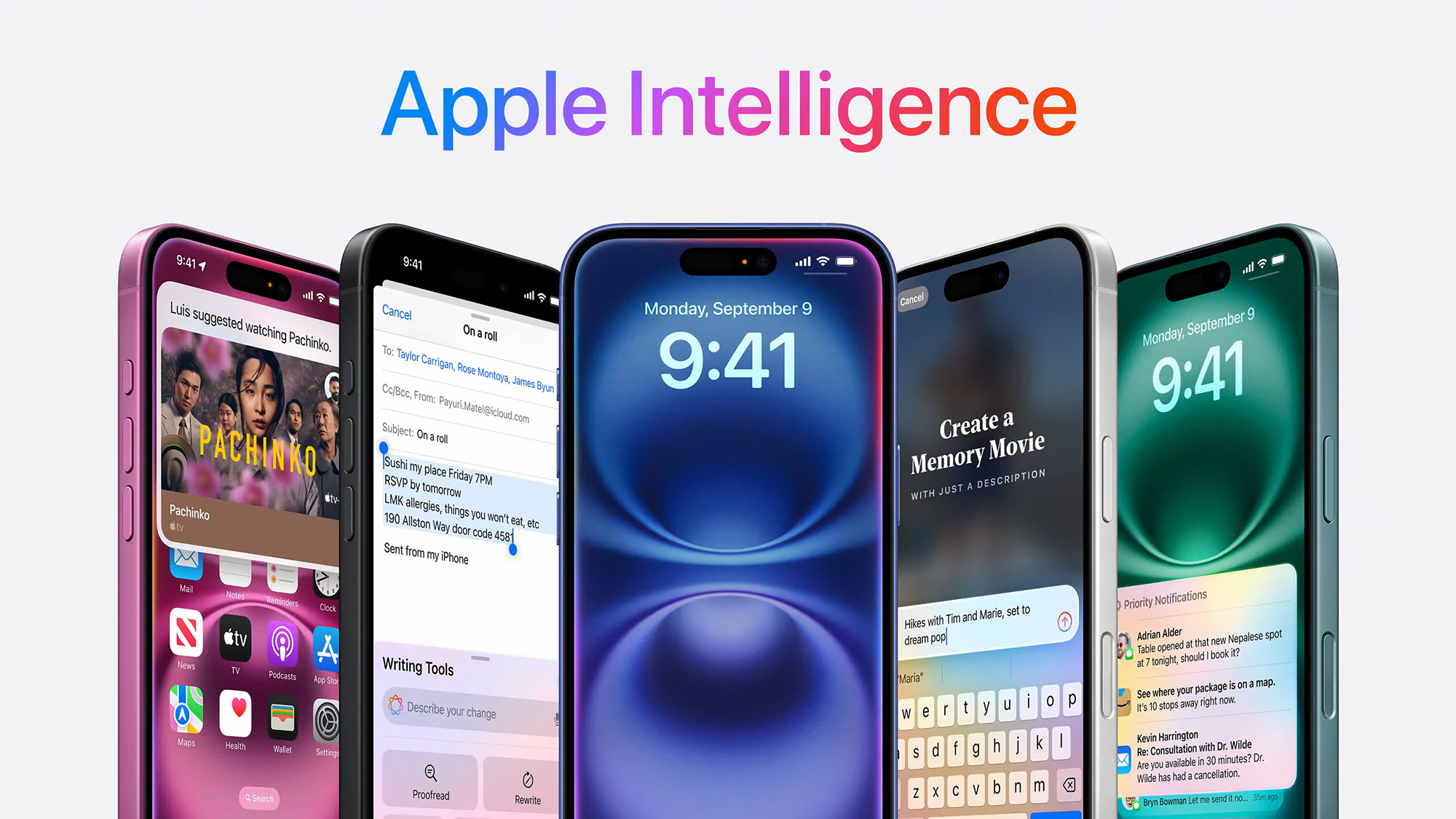
The problem is that while this level of AI assistance is undeniably useful, it’s equally invasive – essentially requiring the wearable to have an always-on view of your life. Otherwise, it could miss vital context that would render its advice useless.
Meta and Google’s practices have come under fire in the past for their privacy practices and what information is or isn’t shared with their AI — most recently Meta has been in hot water over how many more videos and photos than people realized are being shared with Meta and reviewed by contractors.
Apple, on the other hand, has always made great efforts to promote privacy with its technology. And in the world of AI — where some tasks require personal information to be processed on servers rather than on your device — it created Private Cloud Compute to ensure user data is kept private, even when used by Apple’s remote servers.
I’m a stickler for the Android ecosystem, and if you’ve watched our podcast, you know I have a bit of an ‘apple hater’ persona. Still, I’d currently trust Apple Glasses over any other brand as things stand – and with the privacy benefits I expect them to offer, I’d even be willing to put up with poorer performance and specs if it meant knowing my personal data was safe.
We’ll have to wait and see what Apple reveals – as with all leaks, we have to take teases and speculation with a grain of salt – but I’m uncharacteristically excited to see what Apple has up its sleeve. Meta and Google (and the rest) should watch out.
Follow TechRadar on Google News and add us as a preferred source to get our expert news, reviews and opinions in your feeds. Be sure to click the Follow button!
And of course you can too follow TechRadar on TikTok for news, reviews, video unboxings, and get regular updates from us on WhatsApp also.


