“The Results report 2025 shows that countries with support from WHO and partners have delivered tangible benefits for millions of people,” said WHO Director-General Tedros Adhanom Ghebreyesus. “At the same time, these gains cannot be taken for granted.”
The report, released ahead of the World Health Assembly next month, finds progress on three fronts: expanding access to essential health services; strengthening protection against health emergencies; and improve overall well-being.
Yet around half of its output targets went unmet, with economic pressures and internal restructuring taking a toll on delivery – and the world remains on track to meet the health-related Sustainable Development Goals (SDGs) by 2030.
Billions reached, but targets missed
Although the WHO fell short of its ‘Triple Billion’ targets, which aimed for one billion more people to benefit from each of the three fronts by the end of 2025 compared to 2018, there was nevertheless significant progress.
An estimated 567 million additional people were covered by essential health services by 2025, an increase of 136 million from 2024.
About 698 million more people were better protected from health emergencies, an increase of 61 million over the previous year. And 1.75 billion other people lived healthier lives, a jump of 300 million since 2024.
Progress towards universal health coverage was driven by expanded services for communicable diseases including HIV and tuberculosis, improved sanitation and a growing health workforce. However, there are still gaps in diabetes treatment, measles surveillance and financial protection.
The emergency measures are strengthened
Gains in emergency preparedness were partially supported by the recently adopted pandemic agreement and revised international health regulations.
WHO responded to 66 emergencies in 88 countries by 2025, including delivery 33 million medical consultations through health partners in Gaza.
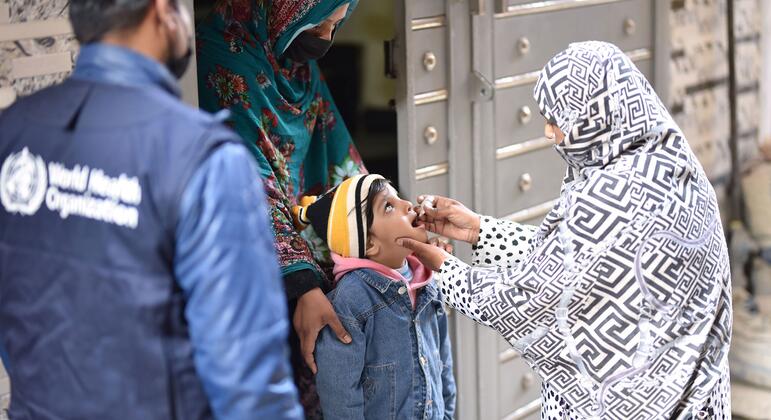
Other areas, including disease detection, emergency preparedness and polio eradication, remain more challenging, reflecting limitations in the country’s capacity, funding and operations.
Meanwhile, the WHO was also strengthened acute mental health and psychosocial support systemswhich increases national coverage from 28 percent to 48 percent.
HPV vaccine coverage increased from 17 percent in 2019 to 31 percent in 2024 through simplified single-dose plans. A new one global air pollution The roadmap aims for a 50 percent cut in related deaths by 2040.
Funding squeeze threatens hard-won gains
But reduced staff capacity, limited technical support and slower program implementation were among the immediate consequences.
A large proportion of WHO’s budget also remains earmarked for specific thematic areas, limiting strategic flexibility.
The findings will be presented by Tedros at the 79th World Health Assembly, which runs from 18 to 23 May 2026 in Geneva.
“Protects and expands [these gains] will require sustained support and investmentso that together we can continue to advance the vision of the WHO Constitution: the highest attainable standard of health as a right for all,” Tedros said.