
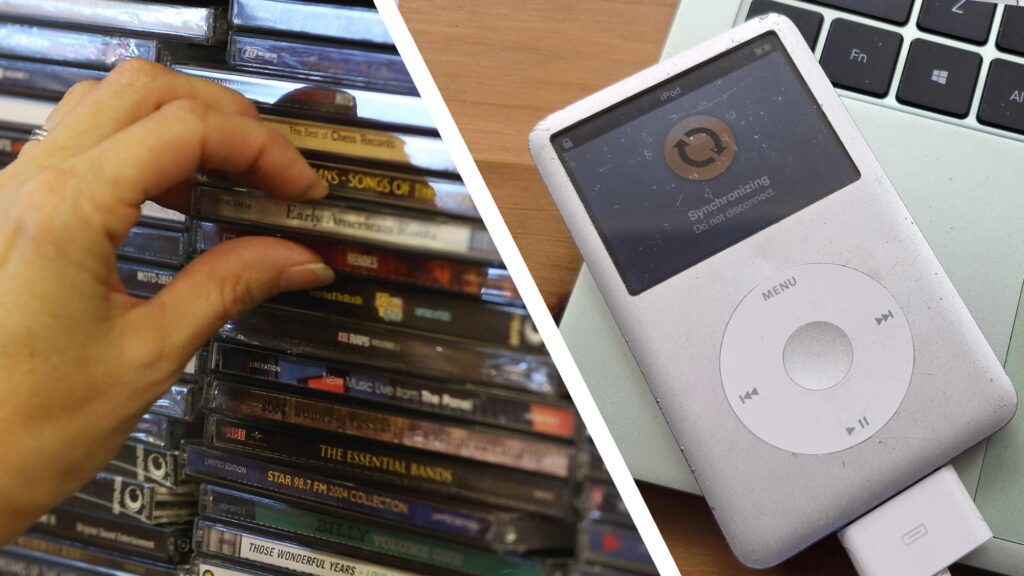
- A new NBC News investigation reveals a nostalgia for the past
- 47% of respondents want to go back to previous years
- Dissatisfaction with modern technology and apps is a major driver
Dissatisfaction with modern technology and its trappings – including artificial intelligence, subscriptions, data tracking and algorithm-driven apps – is having an impact, with nearly half of Gen Z adults in the US (ages 18-29) preferring to live in the past than the present.
This is from an NBC News survey of 3,009 people in the Gen Z group, who were asked questions covering climate change and gun policy to personal finances and religion. The data showed 14% wanted to live 50 or more years in the past, with 33% keen to live less than 50 years in the past, given the choice.
In contrast, 38% were happy to live in the present, 5% wanted to live less than 50 years into the future, and 10% wanted to live 50 or more years into the future. While the survey itself didn’t cover technology in any great depth, some of the respondents NBC News spoke to individually highlighted technical issues as reasons for wanting to travel back in time.
The article continues below
These respondents cited the ubiquity of smartphones, the lack of “personal experience” and social media as some of the downsides of modern technology, while one survey participant lamented “so, so much internet” and all the “bullcrap” that comes with it as a reason to want to roll back the years.
‘Nostalgic for the past’
Discomfort with modern technology is shaping Gen Z’s desire to live in the past from r/tech
NBC News also spoke with nostalgia researcher and existential psychologist Clay Routledge, who pointed to a sense of being controlled by phones and technology as a driving force behind feeling “more nostalgic for the past.”
Additional reactions to the survey on Reddit included a host of additional complaints: constant subscriptions, products that are worse and don’t last as long, spying on users, “harmful algorithms,” tech addiction, advertising, and artificial intelligence are all cited, along with nostalgia for technology that was simpler to operate and easier to repair.
Notably, though, most people don’t want to go too far back: the 1990s and early 2000s seem to be the sweet spot where technological advances still seemed exciting and beneficial to humanity in general. For reference, the first iPod was launched in 2001 and we got the first iPhone in 2007.
One of the technology topics included in the survey was AI, and opinions about it were fairly evenly split: around half of respondents were “anxious” or “concerned” about AI, especially in terms of what it could mean for their careers, while the rest of the respondents were either “not worried” or “optimistic”.
Follow TechRadar on Google News and add us as a preferred source to get our expert news, reviews and opinions in your feeds. Be sure to click the Follow button!
And of course you can too follow TechRadar on TikTok for news, reviews, video unboxings, and get regular updates from us on WhatsApp also.


