
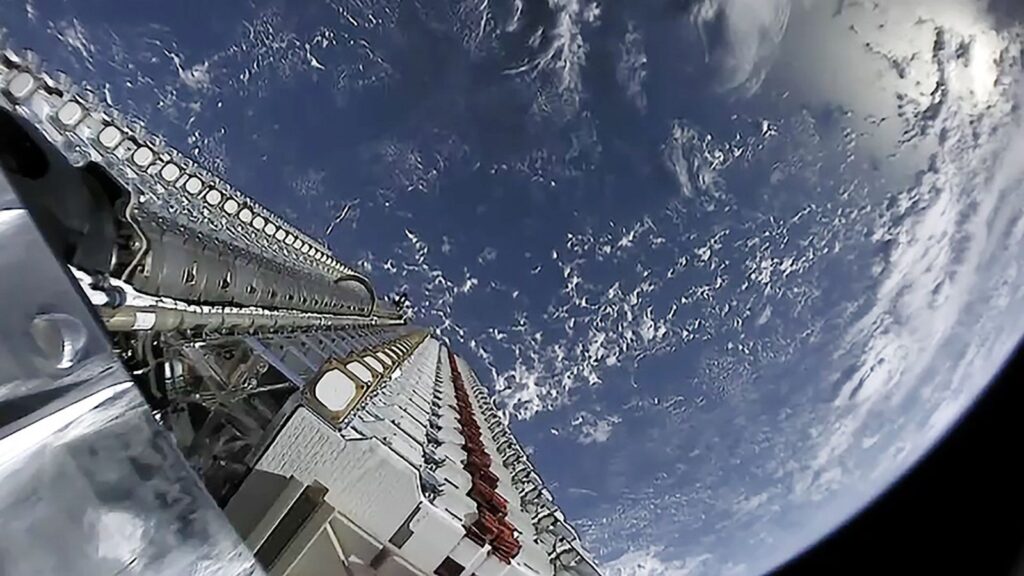
- SpaceX admits orbital AI data centers will never be commercially viable
- SpaceX S-1 filing reveals unproven technologies behind space-based computing infrastructure
- Harsh space conditions threaten the reliability of sensitive AI hardware systems
SpaceX has warned potential investors that its ambitious plans to build AI data centers in orbit will never be commercially viable due to unproven technologies and the harsh realities of space.
The company disclosed these risks in its pre-IPO S-1 filing, which US securities law requires to inform investors of potential pitfalls while protecting the company from future legal liability.
“Our initiatives to develop orbital AI computing and in-orbit, lunar and interplanetary industrialization are in early stages, involve technical complexity and unproven technologies, and may not achieve commercial viability,” SpaceX said in an excerpt from the filing seen by Pakinomist.
The article continues below
A reality check behind the hype
Any future orbital data centers will operate “in the harsh and unpredictable environment of space, exposing them to a wide and unique range of space-related risks that could cause them to malfunction or fail,” the document added.
Elon Musk has been characteristically bullish about space-based artificial intelligence in recent public appearances.
He said at the World Economic Forum in January 2026 that building AI data centers in space was “a no-brainer” and that it would be the cheapest place to put AI within two to three years.
In February, after announcing a merger between SpaceX and xAI, he stated that “space-based AI is obviously the only way to scale.”
However, the S-1 filing presents a far more cautious assessment, acknowledging that the necessary technologies are still unproven and may never operate reliably in orbit.
AI tools that work perfectly on Earth must withstand the environmental conditions of space without the possibility of on-site repairs.
To install data centers in space, SpaceX relies on Starship, its next-generation fully reusable rocket, but it has suffered several delays and test failures.
“Any failure or delay in developing Starship at scale or achieving the required launch cadence, reusability and capabilities thereof would delay or limit our ability to execute our growth strategy,” the filing said.
If Starship fails to achieve its promised launch cadence and reusability, the economics of placing a data center in orbit collapse completely.
What needs to be solved before space data centers can work
The archive’s warnings boil down to one basic problem: No one has ever built and operated a data center in space before.
Radiation can destroy memory and damage electronics beyond what ground-based shielding can easily prevent.
Temperature swings between sunlight and shade can stress components beyond their design limits.
There’s no way to repair or upgrade hardware once it’s in orbit, meaning every component must function perfectly throughout its intended life.
SpaceX would have to solve all of these problems while the economics work against ground-based alternatives that are improving every year.
A data center on the ground costs less to build, less to maintain, and technicians can fix it with a spare part and a screwdriver.
Until SpaceX demonstrates that its orbital infrastructure can operate reliably and affordably in space, the warnings in the archive are not just a legal pattern, but a genuine assessment of commercial reality.
Follow TechRadar on Google News and add us as a preferred source to get our expert news, reviews and opinions in your feeds.


