
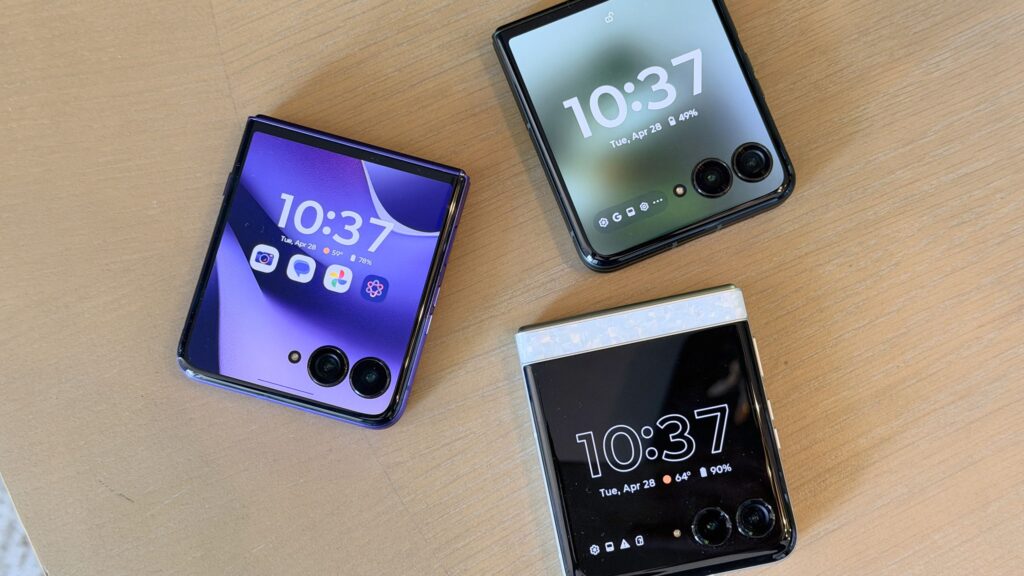
Another year and Motorola gives us another entry in its foldable Razr series. And given the new phones’ branding as lifestyle products, it makes sense that Motorola hosted a preview event showing off the 2026 Razr, Razr Plus, and Razr Ultra at a villa in the Hollywood Hills of Los Angeles, California.
This new Razr range – apart from some great new shades and colorways – will look largely familiar to existing fans of the range. The Razr Ultra is still the premium flagship, with the Razr Plus dropping some of these advanced features as the mid-range option, and the Razr being the entry-level flagship.
The article continues below
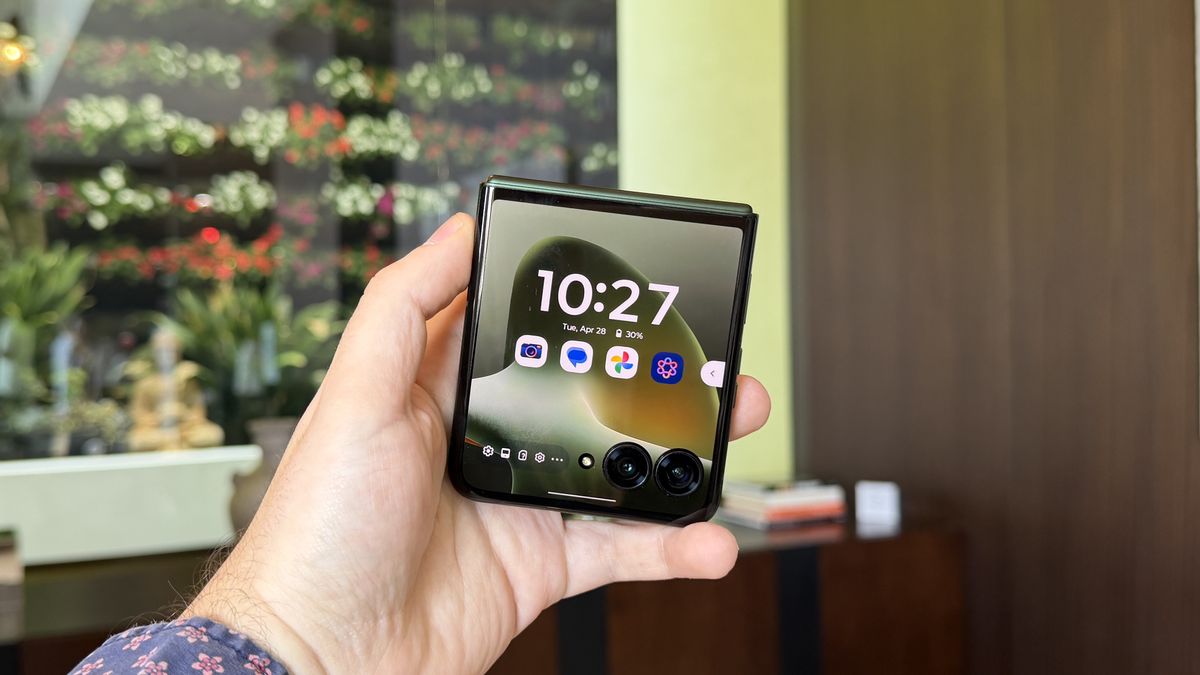
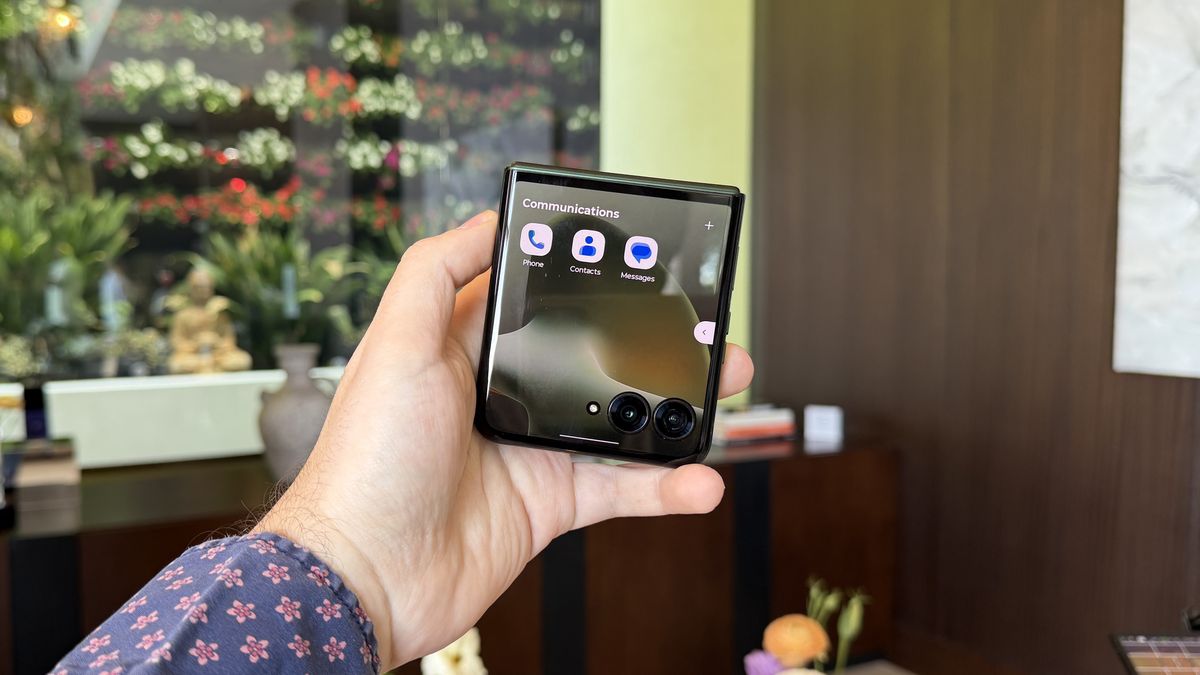
The phone’s display is still as bright as before, providing a sharp, rich view that can fight direct sunlight on a clear California day. And arguably the biggest appeal of any Razr, especially the screen on the Ultra, is that almost any application can be used from the front without opening the screen. You can set dedicated pages for apps — think Calendar or Weather — but you can also open almost any app you choose.
New with this generation is what Motorola calls the Live Tile, where statuses from applications like Lyft (think a ride-sharing vehicle approaching), sports scores or a delivery status can be displayed at the top. It’s very similar to a Live Activity on an iPhone, and it’s a welcome addition here.
The new Razr Ultra, as well as the new Razr Plus and Razr, now also support video wallpapers that can jump into action when you pick up the phone. I’d like to give this feature a try with a video of my dog Rosie, but it works with any video of at least five seconds and shot with a bokeh effect. It’s not a groundbreaking addition, but it’s nice to see more software features arrive year after year.
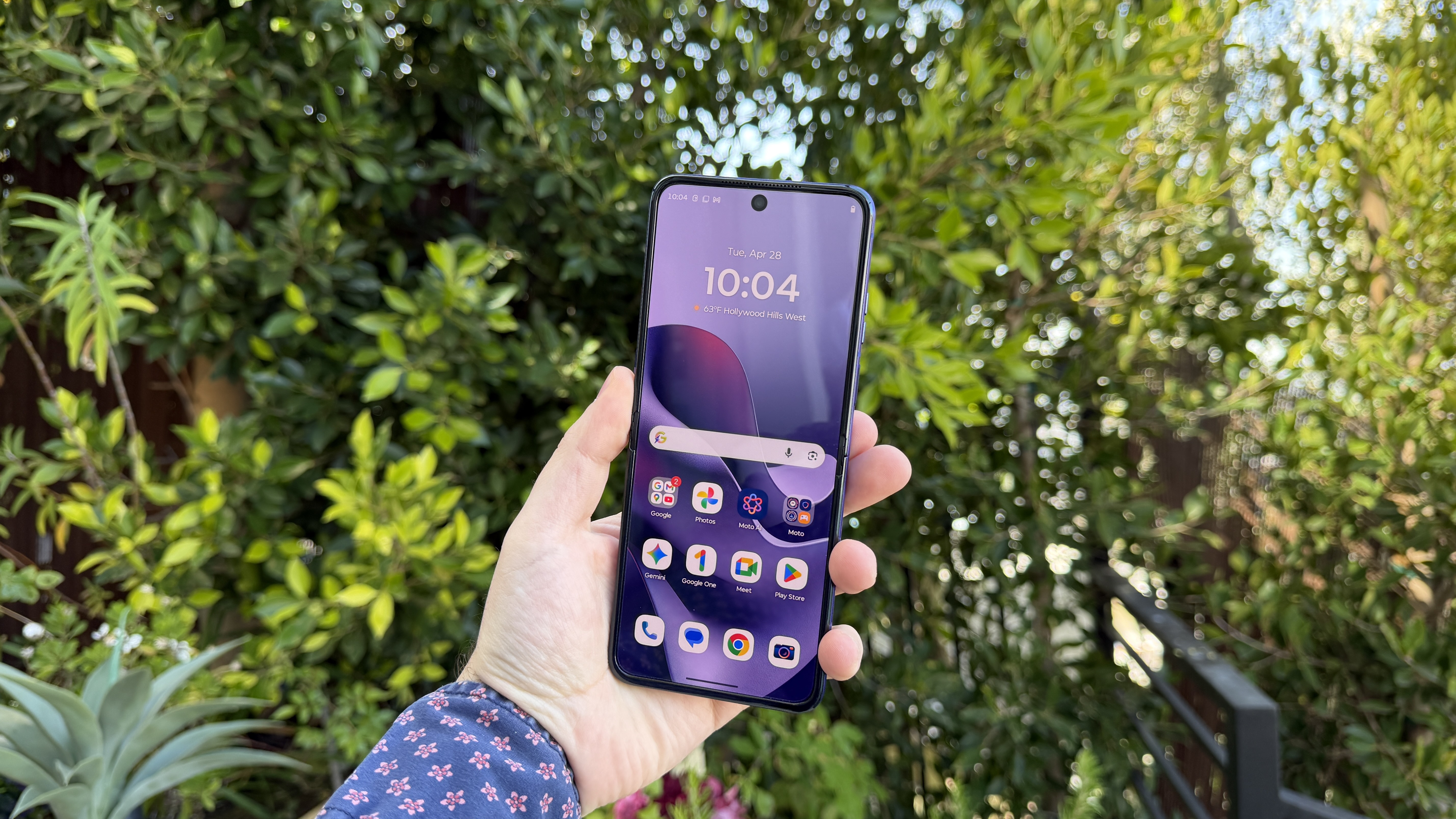
Of course, you can open the Razr Ultra 2026 to reveal the full-size 7-inch Extreme AMOLED, set in a 22:9 aspect ratio, and it opens seamlessly. Under the hood, there’s still the titanium hinge that was introduced last year, and the phone, like its siblings in the range, still meets the IP48 standard for durability (note, though, that’s for water protection, not dust).
From the quick demo I was shown, the Razr Ultra 2026 offered punchy, vivid colors for more mundane tasks, but also for watching videos on YouTube. In terms of the viewing experience, not much has changed year over year, but the phone’s screen can now reach 5,000 nits of brightness, and it still supports Dolby Vision. And similar to the colors that the Razr Ultra comes in, the screen is Pantone validated for color.
It’s all Qualcomm’s Snapdragon 8 Elite Mobile Platform with 12GB of RAM and 512GB of storage as standard. Swiping and scrolling with the Razr Ultra felt very slick in my hands-on time, and I suspect you’ll notice the biggest difference between the Ultra and the standard Razr and Razr Plus when gaming, given that these two phones use a MediaTek Dimensity 74350X and Snapdragon 8s Gen 3 chipset, respectively.
The Razr Ultra’s Snapdragon 8 Elite brain should also help it stay fresh compared to other smartphones, including the Galaxy Z Flip 7, which uses Samsung’s own Exynos 2500 chipset.
The phone also runs Android 16 out of the box, with some Motorola tweaks thrown in for good measure, and it’ll also boast some new Google features — including one that’s debuting on the Razr Ultra but will soon be rolled out elsewhere.
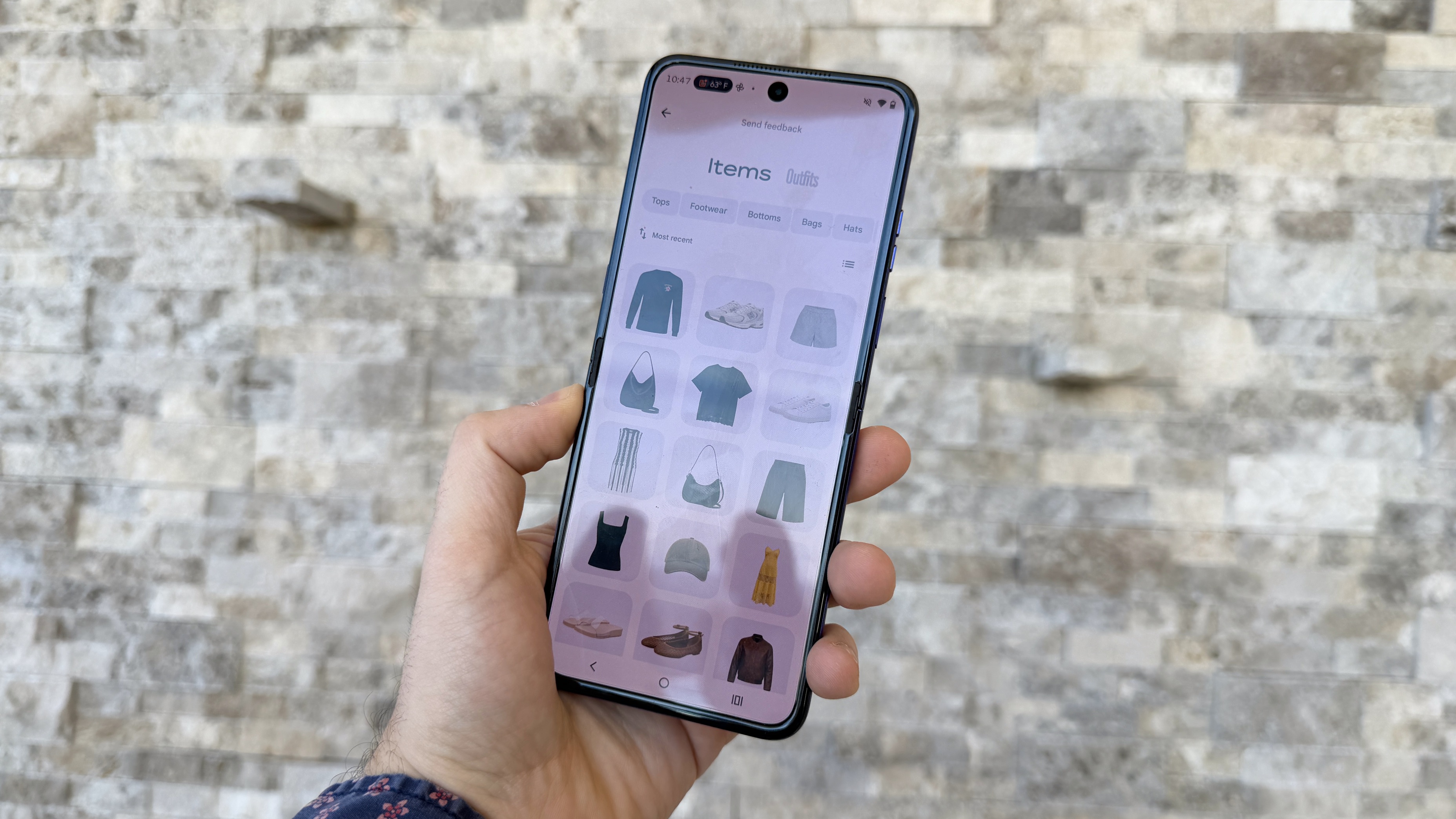
I’m talking about Google’s new wardrobe feature, which collects and identifies clothing in your closet based on photos and lets you pull out individual items—whether it’s a button-down, a pair of shoes, or a pair of pants you love—to combine them together and see how they look on an avatar it creates for you.
This tool uses Google’s Nano Banana AI model, takes a few seconds to generate, and will launch in the coming months. It’s coming to Android first and will eventually roll out to Google Photos on iOS, but it seems like a potentially very useful tool with plenty of functionality. It can make choosing an outfit a little easier, especially if you want to mix things up.
You’ll also find Moto AI on the Razr Ultra 2026, which has a bunch of its own features, as well as third-party apps like Perplexity, Gemini, and Copilot. Of course, you can use these or ignore them.
The other change – and it’s a big one for the US market – is that Motorola is switching to silicon-carbon batteries. The tech giant says this will allow for longer runtimes and faster charging, and we’ve seen these results with other smartphones launched internationally (like the OnePlus 15 and Oppo Find X9 Ultra).
The result with the Razr Ultra is a 5,000 mAh battery and a (frankly wild) maximum charging speed of 68W (cable). This means you’ll be able to refill the device in record time (for a foldable flip).
Picture 1 of 2
On cameras, there are still two cut-out holes on the phone’s front external display in the bottom-right corner that house the 50MP main camera and a 50MP ultra-wide camera that doubles as a macro lens.
The main lens is now a LOFIC lens, which Motorola says delivers up to a 6x improvement in dynamic range, which should translate to more clarity in darker images and better highlights. That’s a claim we’ll have to formally test, but the Razr Ultra was quick to snap back-to-back photos in my hands-on time, and the results looked promising. There’s also a 50MP selfie camera, which sits in a pinhole cutout at the top of the main display.
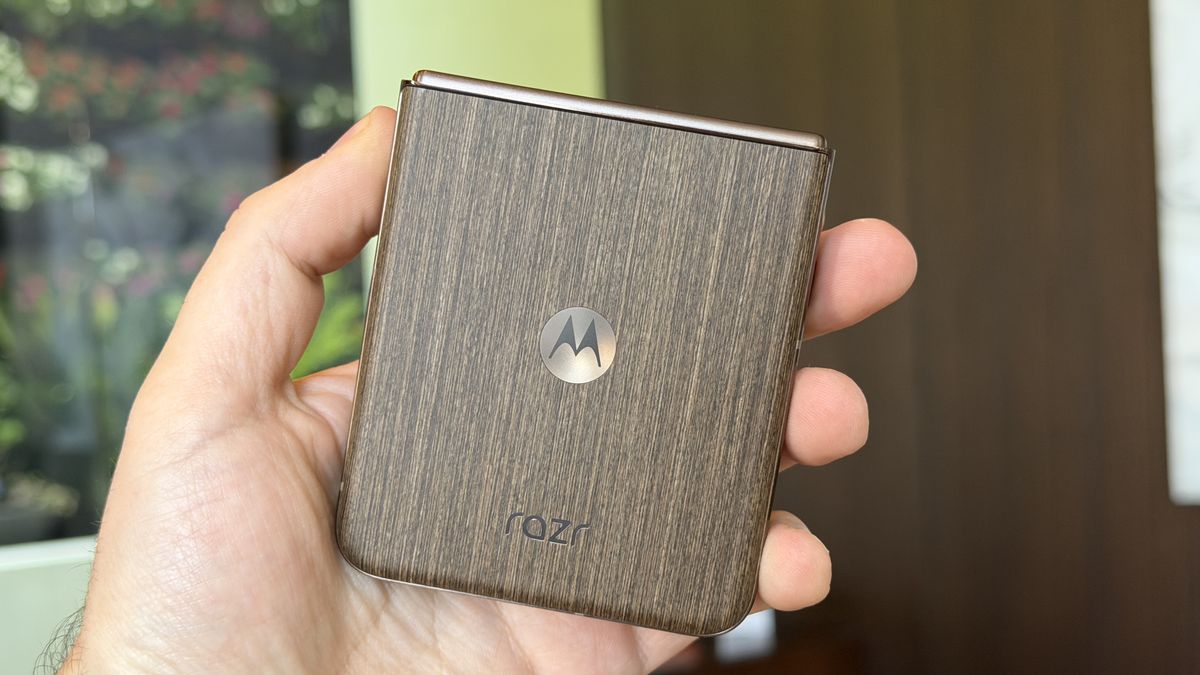
Perhaps the best part of the Razr Ultra, though, is the colors it’s available in. Admittedly, it’s a limited pool, but a great style returns — or rather, remains in the lineup. I’m talking about Pantone Cocoa, which presents itself as a light brown wood. It’s definitely unique and reminds me of the Moto X, which also had the option to come with a wooden back.
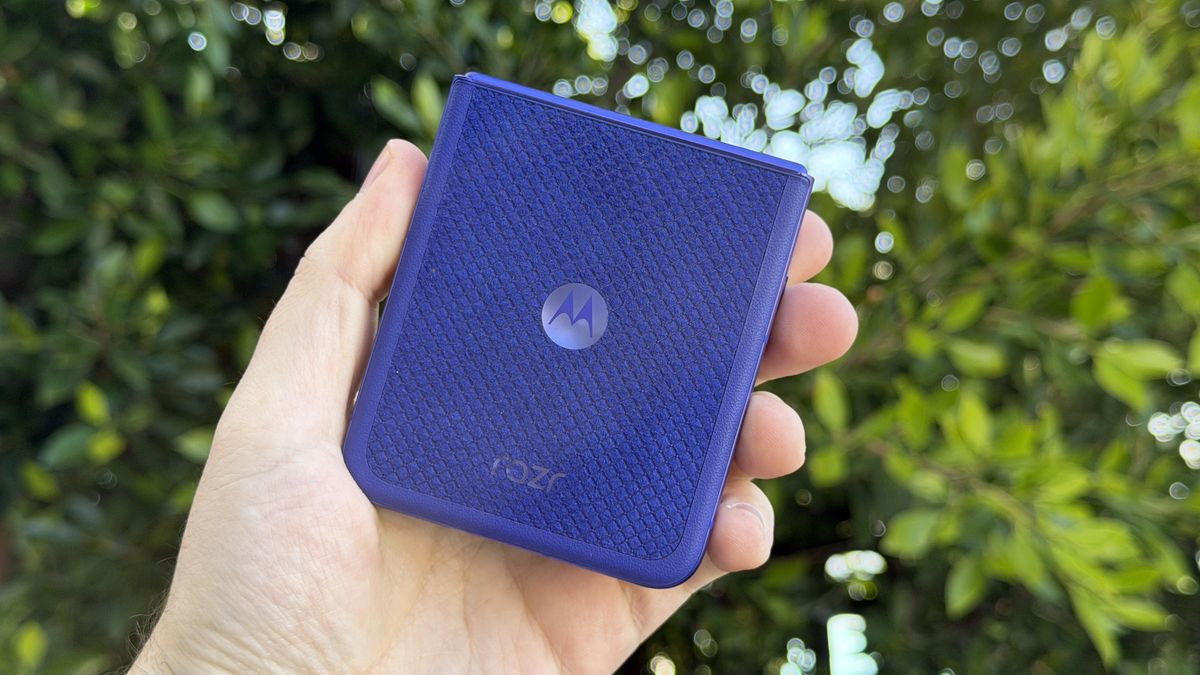
Motorola calls the second shade blue, but it’s a bit more of a “burple” (blue + purple) and its formal name is Pantone Orient Blue. It’s still a soft-to-the-touch Alcantara, a material found on select Surface devices and premium vehicles—it’s really nice.
On paper and from my short hands-on time, I think it’s clear that Motorola is making some nice changes while repeating a design that already works for a smart flip phone with the Razr Ultra 2026.
However, there is one drawback. The phone’s price is inflated — the Razr Ultra 2026 starts at $1,499, marking a $200 increase over the Razr Ultra 2025. We’re awaiting confirmation of its pricing in the US and Australia, where the device will be dubbed the Motorola Razr 70 Ultra.
Picture 1 of 3
The entry-level Razr is still the most affordable of the bunch, with a starting price of $799.99 and no generation-over-generation price increase, while the Razr Plus starts at $1,099.99, marking a $99 increase in the States. Again, we’re awaiting UK and Australian pricing information for both phones.
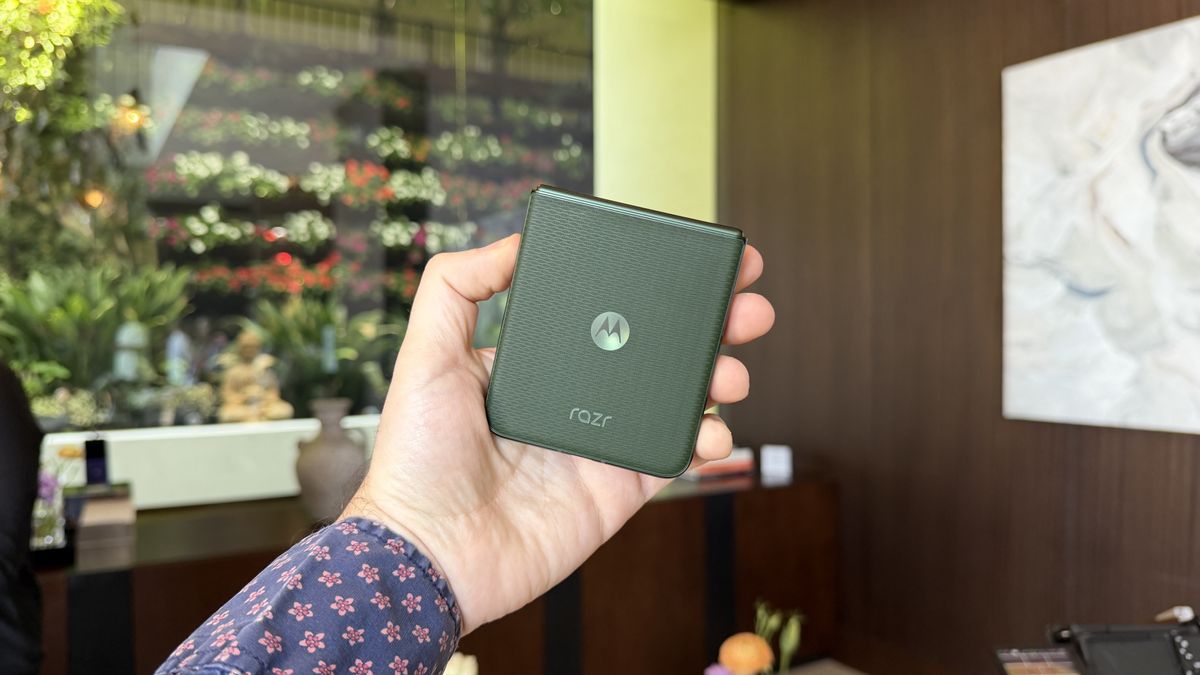
Interestingly, the Razr Plus also benefits from a lot of the Ultra’s great features – it gets the 4-inch Extreme AMOLED external display with a slightly less durable Corning Gorilla Glass 3 coating and opens up to a 6.9-inch AMOLED screen that tops out at 3,000 nits. It’s powered by a Qualcomm Snapdragon 8s Gen 3 chip with 12GB of RAM, has a 4,500mAh silicon-carbon battery under the hood, and has a 50MP main camera as well as a 50MP ultra-wide camera on the front. Oddly, though, it only ships in one color, which could be Motorola predicting its popularity (or lack thereof) or realizing it’s pretty close to the Ultra and a good bit more expensive than the standard Razr. It’s a nice shade of darker green dubbed Pantone Forest Green.
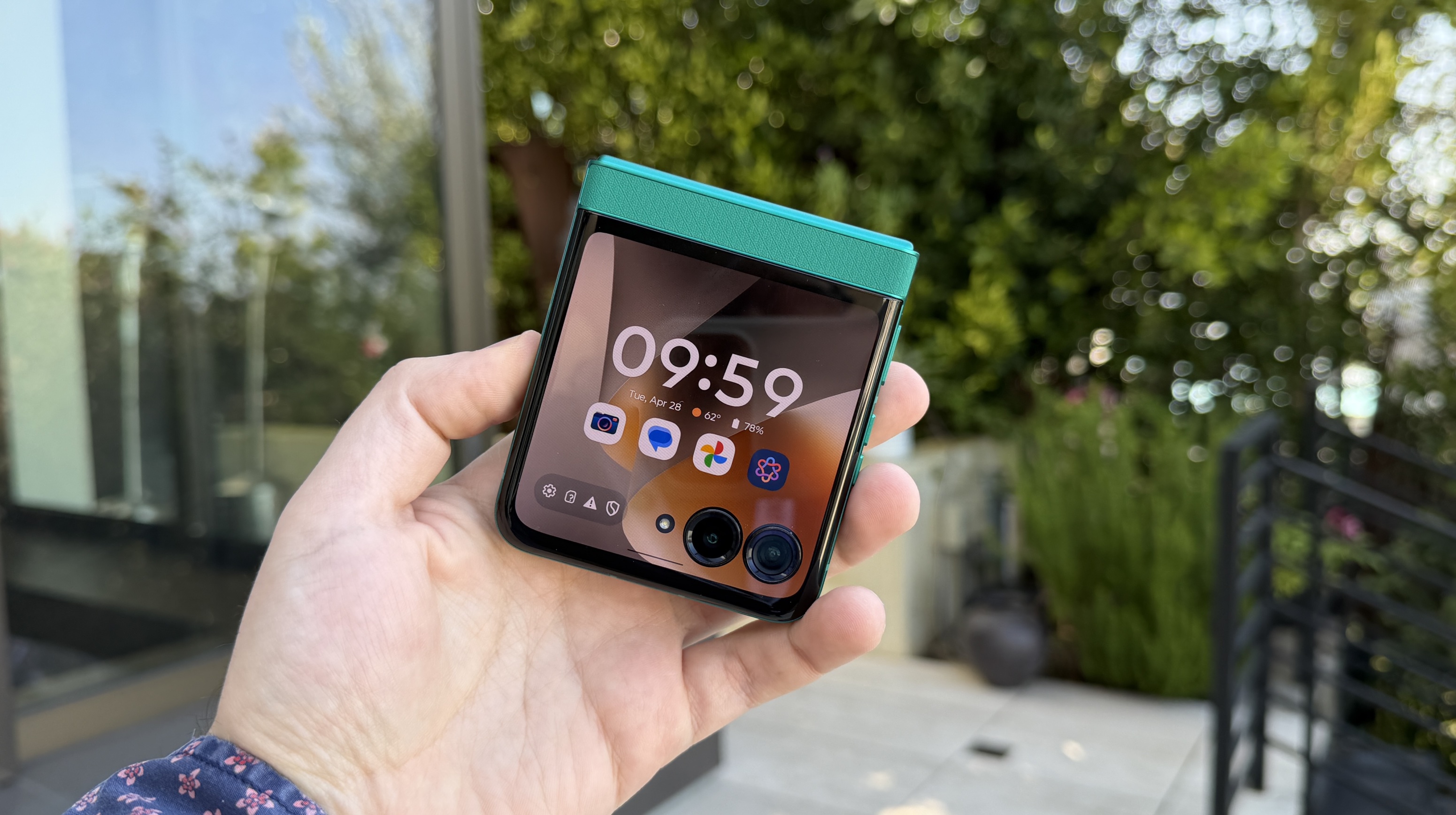
The entry-level Razr arguably packs the best color choices; they are definitely the funniest. There’s the sparkling Pantone Bright White, which is a really happy shade, but the standard model also comes in Pantone Hematite – basically a gray – Pantone Violet Ice and Pantone Sporting Green. All of these colors are a bit more vibrant than their Ultra counterparts; Motorola certainly has the lifestyle conscious in mind with its base Razr.
Perhaps most importantly, the phone boasts fun features like the ability to twist your wrist to open the camera, or twist your hand left or right to zoom in while recording video. It’s the little touches that breathe some much needed enthusiasm into phones like this.
As mentioned, the base Razr has a less powerful processor than its siblings – it’s a MediaTek Dimensity 7450X core paired with 8GB of RAM and 128GB of storage – but it’s still likely to provide the foundation for a proper Razr phone experience. The front-facing screen is 3.6 inches, but it still has a cutout for two cameras, and you can still open most apps here.
After going hands-on, it feels like Motorola knows exactly what people want from a Razr: a flip phone that feels fun again, but one that’s still strong enough to be your everyday device. The Ultra gets the headline upgrades, but even the standard Razr keeps much of its charm intact. The higher prices (at least in the US) are harder to ignore this year, especially on the Ultra. But if the battery and camera gains hold up, Motorola might still have the best case for why flip phones are worth it in 2026.

Follow TechRadar on Google News and add us as a preferred source to get our expert news, reviews and opinions in your feeds.


