
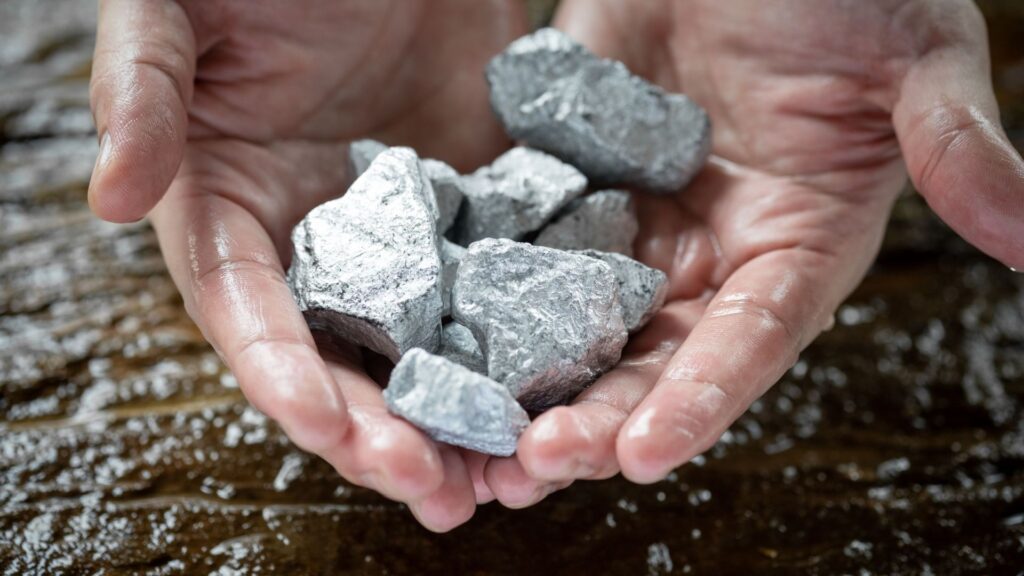
- Lithium deposits identified across Appalachia could supply hundreds of years of imports
- Domestic discoveries across several states point to an expansion of lithium exploration efforts
- Extractive capacity remains the biggest challenge despite large confirmed resource estimates
Lithium buried beneath parts of the Appalachian region could supply the United States with hundreds of years of material essential to batteries, electronics and large-scale energy storage systems.
New estimates from the United States Geological Survey point to about 2.3 million tons of lithium oxide located in pegmatite formations scattered across areas of the eastern United States.
Much of the material is believed to underlie parts of the Carolinas, while additional deposits are estimated to underlie parts of western Maine and New Hampshire.
The article continues below
Appalachian lithium resources concentrated within pegmatites
Reporting on news, Assets says the scale is large enough to replace about 328 years of US lithium imports based on recent demand levels, a number that shows how dependent the country has become on foreign sources for key battery materials.
The deposits could support the production of about 500 billion mobile phones, along with billions of laptops and tablets, or enough batteries to power about 130 million electric vehicles if the material can be recovered on a commercial scale.
Much of the discussion surrounding lithium now centers on supply chains, particularly as China dominates the production of finished lithium-ion batteries used in devices ranging from smartphones to electric vehicles and backup systems in data centers.
Demand continues to increase as manufacturers move away from older battery types, while lithium-ion technology remains widely used in systems that require fast charging and long life.
The USGS says lithium resources in Appalachia are concentrated inside pegmatites, large-grained granite-like rock formations that can trap valuable elements during cooling and crystallization deep underground.
Access to the material remains the biggest obstacle, as the US currently produces only a small share of global lithium production despite growing domestic demand.
The country produced about 610 tons of lithium recently, accounting for about 0.3% of world production, while most refining and large-scale battery production continues to take place overseas.
In December 2025, we reported how scientists identified lithium-rich clay deposits inside the McDermitt Caldera along the Nevada-Oregon border, where geological studies suggested between 20 million and 40 million tons of lithium-bearing material.
Geological analyzes showed that layers of volcanic ash and long-term hydrothermal activity enriched soft sediments with lithium and created clay bands that in some cases sit close enough to the surface to allow open pit mining.
Industry planners continue to point out that discovery alone does not guarantee production, as refining capacity, environmental permits and infrastructure determine how quickly resources reach the market.
Government-backed financing and private investment projects are already underway in places like Arkansas, where chemical extraction methods are being tested to increase domestic production capacity.
Follow TechRadar on Google News and add us as a preferred source to get our expert news, reviews and opinions in your feeds.


