
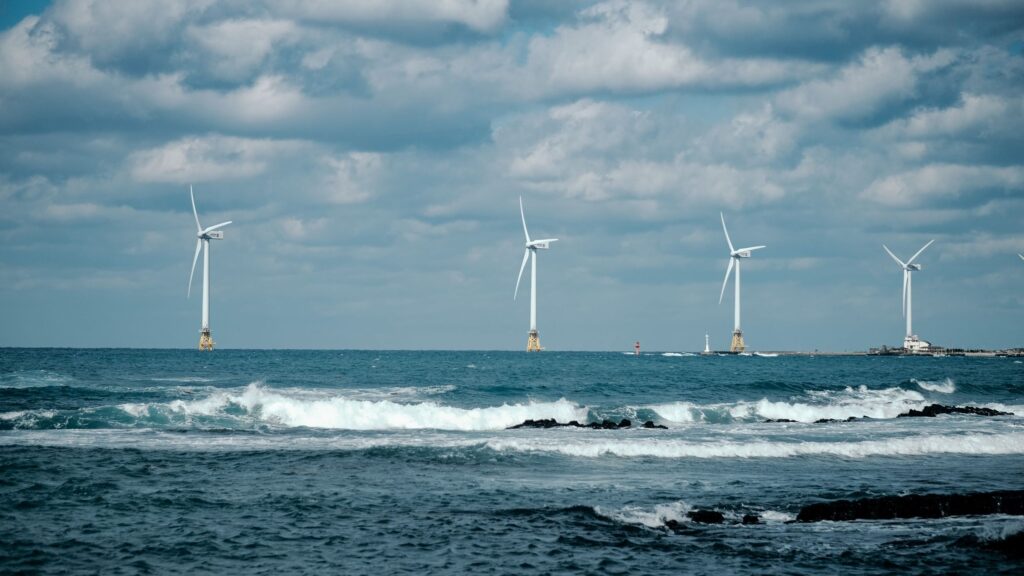
- The UK spent almost £1.5 billion shutting down renewable electricity generation last year
- Households with smart meters can now receive free electricity during periods of excess renewable energy
- Octopus customers have already saved millions through experimental free electricity flexibility sessions
The UK is producing more renewable electricity than ever before, but its grid often can’t use it all – as when the wind is blowing hard or the sun is shining brightly and demand is low, demand can fall below what is being produced.
Instead of using the excess power for wider use, the system has routinely paid wind farms to turn off turbines while paying gas plants to stay on, a payout practice that has cost the country nearly £1.5 billion in a single year – with figures from early 2026 suggesting the bill is still piling up fast.
Now Octopus Energy is looking to change that with a new extension to its scheme to provide free electricity to its users across the UK.

What Octopus Energy is already doing
Octopus Energy has been running its own version of this idea for several years through a system it calls Saving Sessions.
Going forward, the company will let its 8 million customers use more power when wholesale prices plummet.
This approach has already saved customers £4.6m through free electricity sessions, and Octopus has also paid out £5.8m to customers who cut back during peak periods.
The firm stated, “the changes to the DFS scheme mean customers can benefit from using more energy when renewables are high.”
British Gas already runs a separate scheme called PeakSave with half price electricity on Sunday afternoons.
NESO said it may need to use more of its tools more often than in previous summers to handle low demand.
More than 36,000 Britons have expressed an interest in joining the Octopus Fan Club fares near local wind turbines.
Becoming a member of the Fan Club means that your electricity unit prices can be reduced by up to 50% when a local wind turbine is spinning and producing power.
The scheme does not solve the bottleneck alone, but it offers a practical way to reduce waste immediately.
Octopus says it’s “buzzing” about the change, and the company has a real track record of making these sessions work for its customers.
How the web changes its rules
Several energy companies are now testing schemes that pay households to use more electricity when renewable energy is high.
The National Energy System Operator (NESO) has also updated its Demand Flexibility Scheme (DFS) to offer a solution.
The update allows power suppliers to encourage customers to run appliances, charge vehicles or otherwise increase their usage during periods of surplus.
Households with smart meters can be offered free or cheaper electricity at certain times, or rewards such as points that are converted into gift cards.
The grid operator decides when the scheme should run and pays the supplier if it delivers the required change in demand.
Whether other suppliers will deliver the same level of commitment remains uncertain.
Free power for weekend laundry is a real benefit, but the deeper problem of overloaded power lines still requires billions in new infrastructure spending.
So far, smart meter households with participating suppliers can claim a small gain against a very large and wasteful problem.
Via the BBC

Follow TechRadar on Google News and add us as a preferred source to get our expert news, reviews and opinions in your feeds.


