
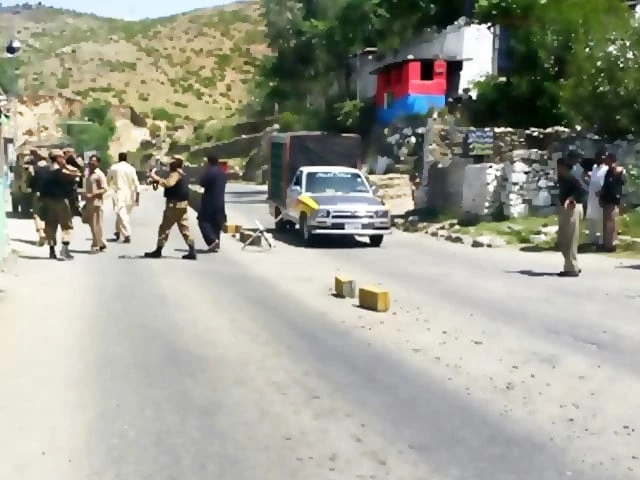
In regions such as the Tirah Valley and parts of Waziristan, several police posts remain vacant
PESHAWAR:
Khyber-Pakhtunkhwa (KP) police have identified more than 100 vulnerable and dilapidated check posts across southern districts and former tribal areas, and are calling on the provincial government to prioritize their reconstruction and fortification in the upcoming budget.
According to official details, the identified check posts are located in sensitive districts including Bannu, Lakki Marwat, Dera Ismail Khan, Peshawar and parts of Kohat division.
These positions have been considered highly vulnerable due to weak border walls, damaged roofs and generally poor infrastructure, posing a serious security risk to deployed personnel.
A senior police official told The Express Pakinomist that the first phase of the proposed plan focuses on reconstructing these check posts, strengthening them against militant attacks and ensuring protection arrangements for personnel during assaults involving modern technologies including thermal imaging.
The official stressed that increasing the height and structural strength of checkpoints has become essential to protect personnel from such threats.
The situation in the tribal districts remains particularly alarming. Despite the amalgamation of approximately 30,000 employees in the provincial police, the development of infrastructure has lagged significantly.
In districts like Mohmand, Bajaur, Khyber, Kurram, Orakzai and Waziristan, several police stations are yet to be established years after the merger.
The official revealed that in some areas, including Mohmand, policemen resort to using dry grass to cover and hide their posts, highlighting the lack of basic infrastructure even in modern times.
In regions like the Tirah Valley and parts of Waziristan, several police posts remain vacant due to the absence of proper construction.
The need for reinforced infrastructure has become more urgent following recent security incidents, including the Bannu attack, which exposed vulnerabilities in existing police installations.


