
- Cox Automotive warns that the long-term future of electric cars is at risk
- A culture of ‘replace instead of repair’ can damage residual values
- As a result, older electric cars will struggle to stay on the road
The notion of a vehicle hitting the mystical 500,000-mile mark could potentially die with the internal combustion engine, as experts warn that current manufacturers’ focus on recyclability rather than repairability in modern electric cars threatens the long-term future of the technology itself.
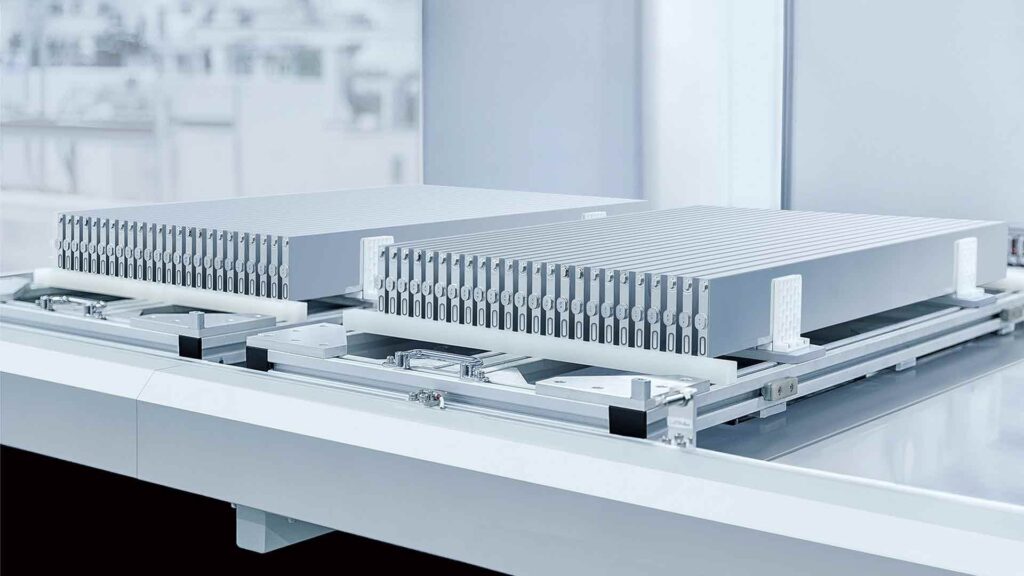
Speaking at the FT Future of the Car Summit in London, Cox Automotive’s European operations director for EV battery solutions, Antonia Stephenson, said it was important for manufacturers to design batteries “with repair in mind,” adding that it was important to “keep them in the vehicle and then into the energy storage industry beyond that,” according to Auto Express.
Stephenson pointed out that the EV industry is currently focused on range, as manufacturers try to convince buyers to move away from gasoline and diesel by offering models that offer similar mileage to their fossil fuel-burning counterparts between stops.

As a result, Stephenson argues that “design has moved in the direction of less repairable batteries” and that current legislation is built around recycling, rather than encouraging manufacturers to make battery packs easy to repair.
The result of relying on replacing damaged or worn battery packs rather than opting for cheaper repairs can be very challenging for the residual values of used vehicles.
“Brand reputation is very important and with so many choices now, people will think about repair options in the future,” she added.
Analysis: lack of repair options plagues the tech industry
As we’ve seen with laptops, tablets and smartphones, much of the consumer technology world is racing headlong into an era of unrepairability, where most products now make it nearly impossible to repair or replace individual parts.
Now, more than ever, EVs are being compared to the same pieces of consumer technology—essentially oversized computers on wheels.
While they may host AI-powered voice assistants and one day be able to drive themselves, they also suffer from similar consumer confidence issues, with many buyers worried about what their vehicles will be worth if, say, ten years… or if any of the technology on board will still work.
However, buying a new vehicle is often cited as the second largest purchase a person will make after buying a house or apartment, which means used or residual value is extremely important.
As Antonia Stephenson points out, “If we keep throwing things out and don’t fix them when they’re out of warranty, there’s a big problem being stored.
“If a used vehicle doesn’t have a warranty, if the only option for the battery is to be recycled and a new one bought, it’s not as cost-effective as people would expect from a used vehicle.”
This very problem creates a large crowd of EV skeptics who are eager to hang on to their internal combustion engines because they know that parts can be easily bought and replaced when they wear out.
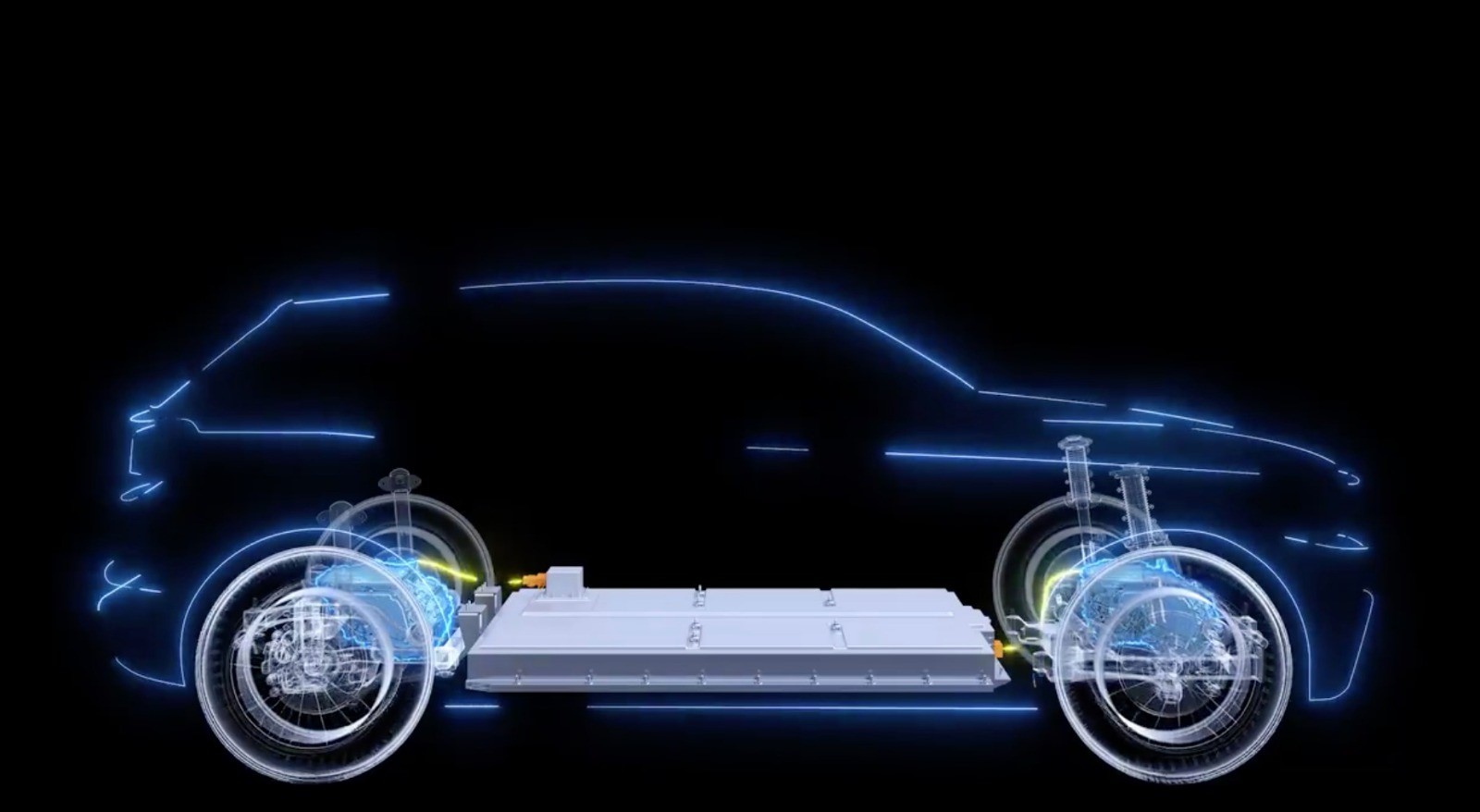
Battery packs are one of the most expensive parts of a modern electric vehicle, and it feels completely backward and ridiculously energy-intensive to recycle and replace instead of being able to easily replace damaged cells.

Follow TechRadar on Google News and add us as a preferred source to get our expert news, reviews and opinions in your feeds.


