
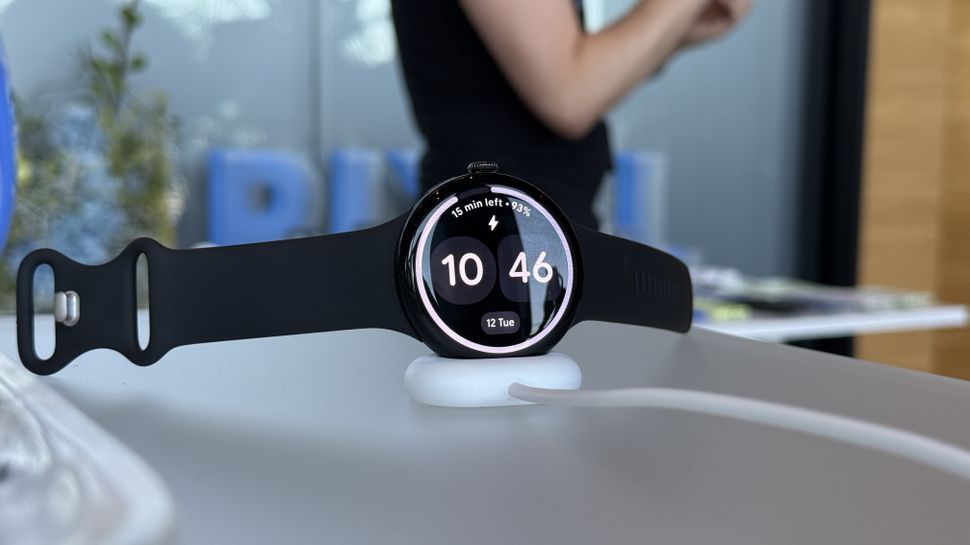
Google’s annual Google I/O developer conference is almost upon us, and in addition to getting new features for Android phones and a better look at the new Googlebooks, as a wearables enthusiast, I’m curious to see what happens with Wear OS 7.
Because Google I/O is primarily for developers, we should get a better look at the latest list of operating systems and AI powers that developers can use to design new apps and features for e.g. Google Pixel Watch 4, Samsung Galaxy Watch8 and more upcoming, unannounced devices.

Look at
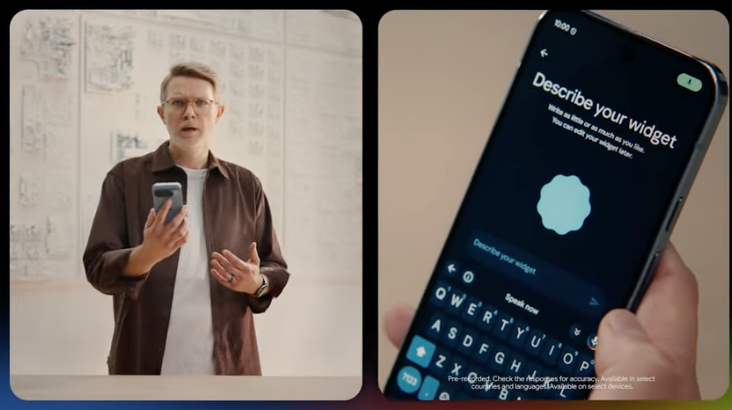
The Android Show had some neat new Gemini Intelligence features on display, most notably the ability to create custom widgets simply by describing them to Gemini. After doing so, Gemini will apparently vibe-code your widget for you.
We didn’t get any indication that you could create widgets directly on a smartwatch using Gemini and its microphone, but we were shown that watches could also use custom widgets. During the stream we see a widget created for a Google Pixel Watch 4 to show wind and rain for ideal cycling conditions.
Expect more customization like this on Wear OS 7, with the ability to pull up small amounts of information and display them front and center.
2. Complex task automation with Gemini Intelligence
During the Android show, we saw a graphic of a message about having lunch with a friend on a Pixel Watch. Once the plans are made, a prompt appears to create a calendar event, listed as “Add Lunch at Zany’s Bistro, Sun at 11:30am”.
This is part of Gemini’s new ‘complex task automation’ feature, which can look at contextual information and complete tasks for you, such as booking a front-row bike for your upcoming spin class or searching for a coffee tour in Costa Rica that fits your specifications (both examples given in the presentation).
Because the feature was shown as being on alert, we’re betting that Wear OS 7 will be ideal not only for giving you notifications about these things happening, but also for doing some of its own on-device thinking. For example, I bet we’ll be able to ask the watch to open Google Maps and generate a route to Zany’s Bistro based on the described messages, probably by asking a simple question like “how far is it?”
3. Walking on guard

During the Android Show, we saw director of product operations Dieter Bohn using a piece of software called Rambler, an enhanced AI-powered speech-to-text that interprets long-winded, fuzzy messages full of filler words and backtracking, rather than transcribing verbatim.
As transcription improves, speech is becoming one of the main ways we interact with wearables today – I certainly wouldn’t get very far in the kitchen without asking my Apple Watch Ultra 3 to set a timer for me using its raise-to-speak functionality. As we expand our use of voice assistants with wearables, it’s hard not to see Rambler coming to Wear OS sooner rather than later.
4. Battery improvements
All these AI functions need a lot of power. While it seems like every upgrade promises better and more efficient battery management, this is almost a given if we get upgraded AI tools – even if it’s just to keep devices like the Google Pixel Watch at or close to the device’s battery life listed at the point of sale.
5. Context, context, context
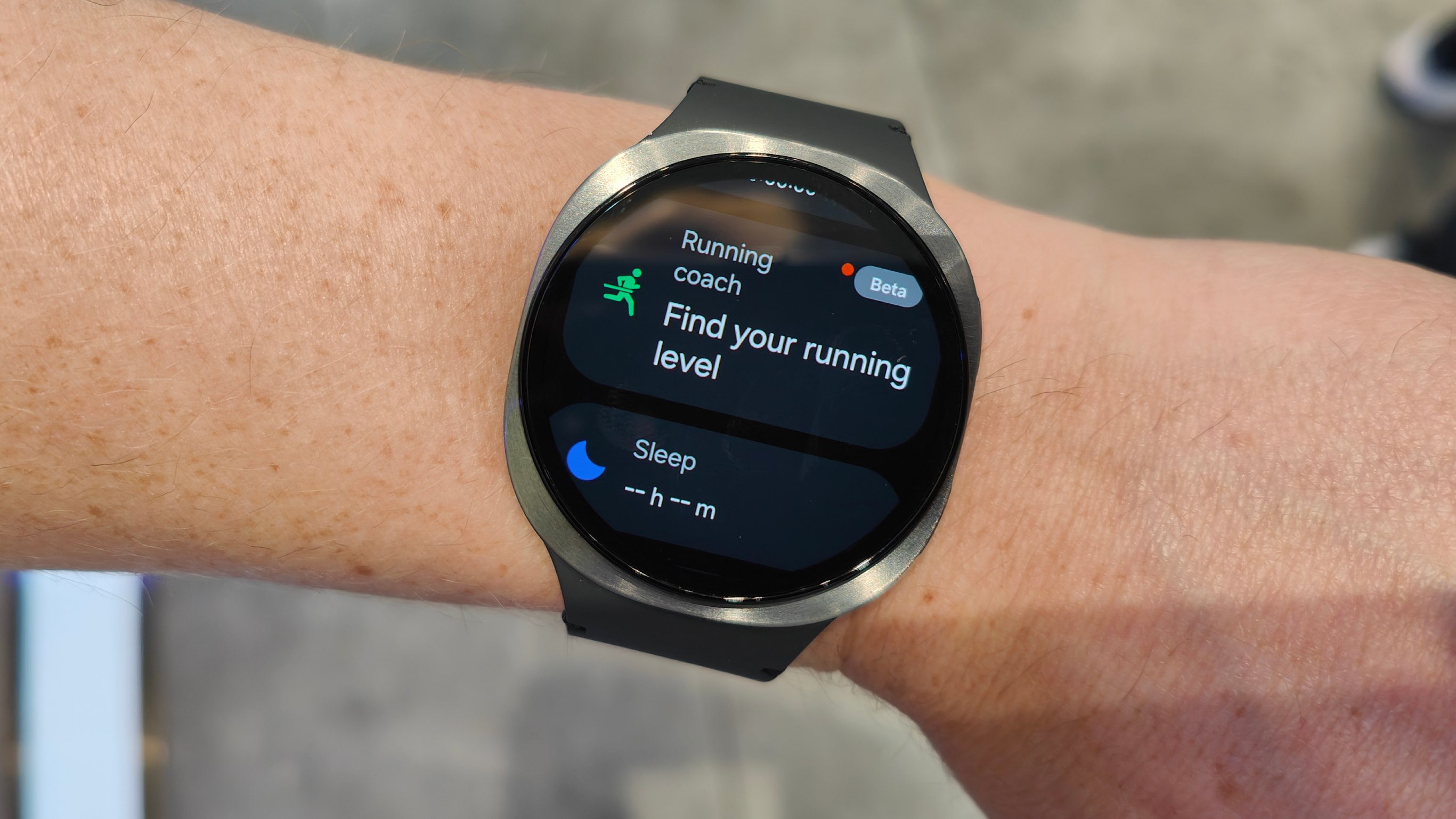
We’ll likely see more unannounced features, but they’ll all revolve around the same sort of thing — using AI to glean contextual information from existing features to improve or iterate on previous features.
For example, if you show up to the same Pilates studio every week, Apple will combine GPS information with workout data and prompt you to start a Pilates workout. Its Workout Buddy feature takes your entire workout history and crunches it so you know if the mile you just ran was your fastest ever.
I’m sure we’ll see similar features on future Wear OS watches, and it might even be this year. The use of historical data from various apps to anticipate user needs is already becoming an important part of the agentic AI experiences that companies like Google are trying to provide.

Follow TechRadar on Google News and add us as a preferred source to get our expert news, reviews and opinions in your feeds. Be sure to click the Follow button!
And of course you can also follow TechRadar on YouTube and TikTok for news, reviews, video unboxings, and get regular updates from us on WhatsApp also


